

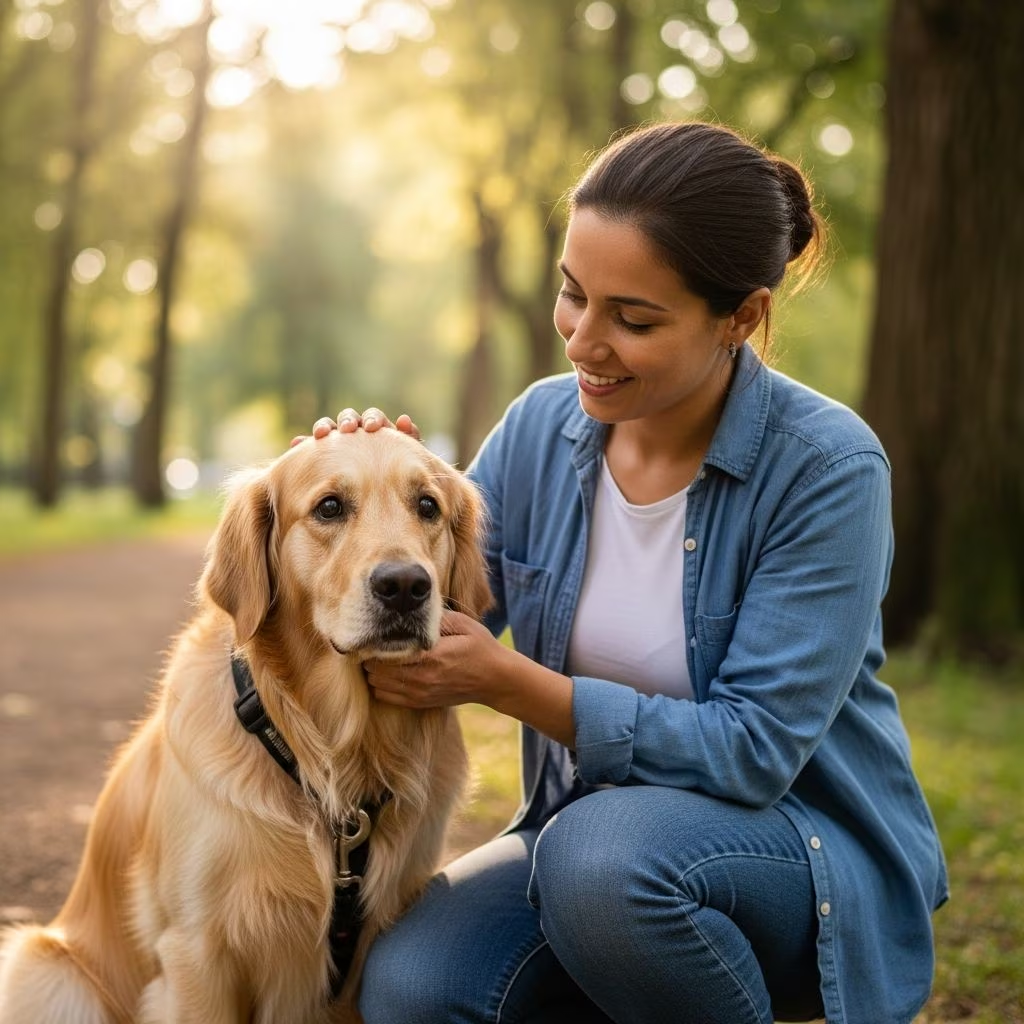
Dogs experiencing fear and anxiety face significant challenges in their daily lives, affecting everything from their social interactions to their ability to engage with their environment. When a dog lacks confidence, even routine activities can become sources of stress. Understanding how to systematically rebuild your fearful dog’s sense of security and self-assurance is one of the most rewarding aspects of dog ownership. This comprehensive guide explores evidence-based strategies to help your anxious companion develop genuine courage and emotional resilience.
Understanding the Foundation of Canine Confidence
Confidence in dogs isn’t simply about forcing them into uncomfortable situations or hoping they’ll eventually adjust. True confidence emerges from a combination of positive experiences, successful interactions with their environment, and a deep sense of security provided by their handler. When a dog repeatedly experiences success in manageable situations, their neural pathways begin to rewire, creating new associations that replace fear-based responses with curiosity and courage.
The relationship between handler and dog plays a crucial role in this transformation. Your emotional state, consistency, and understanding of your dog’s unique triggers directly influence their ability to develop confidence. Dogs are remarkably perceptive and will mirror the anxiety or calmness you project during training sessions.
Establishing a Secure Base Camp for Learning
Before introducing any confidence-building exercises, your dog requires a designated safe space where they feel completely protected from perceived threats. This comfort zone serves as the foundation upon which all other training builds. Whether it’s a quiet corner of your home, a specific room, or a particular area in your yard, this space should be free from unexpected stimuli and accessible whenever your dog needs refuge.
Within this safe space, your dog learns that relaxation is possible and that their environment can be predictable. This is where early training sessions should begin, allowing your dog to develop trust before gradually expanding their comfort zone. The safety of this base camp makes it psychologically easier for your dog to venture into new situations, knowing they have a retreat available.
The Power of Identifying and Building Upon Existing Strengths
Every dog possesses inherent strengths and abilities that bring them joy and create a sense of competence. These natural talents become powerful tools in confidence building. Perhaps your dog loves playing with tennis balls, excels at following scent trails, enjoys interactive play with toys, or has a particular activity that consistently engages them positively.
By deliberately incorporating these strengths into training sessions, you create opportunities for your dog to experience success and positive emotions. This success generates momentum that can transfer to new learning situations. When a dog remembers how capable they are in one domain, they approach new challenges with greater openness and willingness to engage.
Gradual Exposure: The Art of Moving at Your Dog’s Pace
One of the most critical principles in confidence building is understanding the difference between helpful exposure and overwhelming flooding. Desensitization—the process of repeated, controlled exposure to stimuli that trigger fear—helps your dog recognize that threatening situations are actually routine and manageable. However, moving too quickly or exposing your dog to too-intense versions of feared stimuli can backfire, creating deeper anxiety.
The progression should be almost imperceptibly gradual. If your dog fears other dogs, this might mean starting with observing a distant dog from across a field, then gradually reducing distance over weeks or months. Each session should end with your dog still feeling capable and somewhat calm, never pushed to their breaking point.
Training Approaches That Honor Your Dog’s Emotional State
Effective confidence building requires tailoring your approach to your specific dog. Variables including age, breed, personality type, and the severity of their fear all influence which strategies will prove most effective. A senior dog may have different needs than a young adult; a naturally reserved breed may require different interventions than an inherently social breed.
Your dog’s unique history and past experiences also matter significantly. A dog recovering from trauma or harsh treatment may need especially gentle, relationship-focused approaches where building trust with you becomes the primary goal before tackling environmental fears.
Enrichment Activities as Confidence Builders
Beyond formal training, enrichment activities powerfully contribute to overall confidence development. Food puzzles engage your dog’s problem-solving abilities, creating a sense of accomplishment when they successfully retrieve rewards. Nose work activities tap into your dog’s natural tracking abilities and provide intense mental engagement that builds self-assurance.
These enrichment activities offer several benefits: they occupy your dog’s mind in positive ways, provide natural outlets for instinctive behaviors, create successful experiences, and strengthen your bond through shared engagement. A dog spending mental energy solving problems develops a healthier sense of capability than one relegated to passive observation.
Positive Reinforcement: Teaching Through Success
Training methods that rely on positive reinforcement create fundamentally different neural responses than correction-based approaches. When your dog learns that making independent decisions, engaging with you, and exploring their environment earn rewards like treats and praise, they begin viewing interaction and exploration as inherently positive.
This approach teaches your dog that trying new things leads to good outcomes, gradually shifting their default response from fear-based avoidance to cautious curiosity. Over time, your dog accumulates enough positive experiences that their baseline expectation shifts from “this is probably bad” to “this might be interesting.”
Consistency and Structure: Creating Predictability
Dogs derive tremendous security from structure and predictability. When your daily routines, training protocols, and behavioral expectations remain consistent, your dog’s nervous system relaxes because they understand what to expect. This predictability creates the psychological safety necessary for confidence to flourish.
Consistent training sessions, performed calmly and with patience, help your dog recognize that learning situations are safe and manageable. Structure extends beyond training to daily routines: consistent feeding times, regular exercise schedules, and predictable interaction patterns all contribute to your dog feeling that their world is stable and controllable.
Interactive Exercises for Building Courage
Body Positioning Exercises: Physical posture directly influences psychological state. Encouraging your dog to place their front paws on low objects (logs, platforms, or blocks) creates an upright, confident body position that can actually shift their emotional state. The act of climbing onto something requires slight courage and generates a sense of accomplishment.
Targeting and Choice-Based Games: Teaching your dog to touch their nose to your hand or to objects builds confidence through controlled choice. Your dog learns they can initiate interactions and influence outcomes, creating a sense of agency rather than helplessness.
Textural and Sensory Exploration: Safely introducing various textures, surfaces, and sensations helps dogs become less reactive to unexpected environmental stimuli. Exploring cardboard boxes, walking on different floor surfaces, or navigating simple obstacles builds sensory confidence that transfers to real-world situations.
The Role of Handler Calm and Awareness
Your dog’s confidence journey depends significantly on your ability to remain calm and emotionally regulated during training. Dogs sense tension, anxiety, and frustration in their handlers and respond by becoming more anxious themselves. Conversely, calm, patient demeanor provides the secure presence your dog needs to venture into uncertainty.
Careful observation of your dog’s body language allows you to recognize subtle signs of stress before they escalate into fear responses. Learning to identify the early signals of worry—slightly raised hackles, freezing, avoidance of eye contact—enables you to back up to a more manageable level rather than pushing forward into distress.
Long-Term Commitment to Ongoing Progress
Building genuine confidence isn’t a short-term project. Lasting transformation requires consistent engagement over weeks and months. A single positive experience won’t override months or years of fearful conditioning. However, the steady accumulation of small successes creates permanent neural changes that reshape your dog’s default response patterns.
Regular assessment of your dog’s progress allows you to adjust your approach as needed. Some areas may improve rapidly while others require extended patience. Celebrating small victories and maintaining realistic expectations helps sustain your commitment to this important work.
Frequently Asked Questions About Building Confidence in Fearful Dogs
Q: How long does it typically take to see meaningful improvement?
A: Timelines vary considerably depending on the dog’s history, the severity of fear, and the consistency of training. Some dogs show noticeable changes within weeks, while deeply traumatized dogs may require many months of patient work before substantial progress appears. The key is maintaining consistent effort rather than expecting rapid transformation.
Q: Can older dogs build confidence, or is it only for young dogs?
A: Dogs of any age can develop greater confidence through appropriate training and support. While young dogs may acquire new patterns slightly faster, older dogs often have the advantage of emotional maturity and can make significant strides with patience and consistency.
Q: What should I do if my dog seems to regress or have a setback?
A: Regression is normal and doesn’t indicate failure. It may reflect a stressful event, insufficient recovery time, or moving too quickly in training progression. Simply return to previously successful steps and rebuild more gradually. Each setback is an opportunity to refine your approach rather than a sign that progress is impossible.
Q: Is medication ever appropriate for fearful dogs?
A: For severe anxiety, veterinary consultation is valuable. Medication can sometimes support training by reducing anxiety enough that your dog can engage with learning. However, medication works best as a complement to behavioral training, not as a replacement for it.
Q: How do I know if I need professional help?
A: If your dog’s fear is severe, if you’re uncertain about your training approach, or if your dog shows aggression related to fear, professional guidance from a certified trainer or behaviorist is worthwhile. Professional support can accelerate progress and prevent well-intentioned mistakes.
Creating Lasting Transformation
The journey of helping your fearful dog develop genuine confidence is deeply rewarding. As your anxious companion gradually learns to trust their environment and themselves, you’ll witness remarkable transformations in their personality and behavior. The dog who once hid from life may become increasingly curious and engaged. This transformation extends beyond your dog’s individual experience—it strengthens your bond and deepens your understanding of what patience, consistency, and compassionate training can achieve.
References
- Building Confidence in Dogs — Best Friends Animal Society. 2024. https://bestfriends.org/pet-care-resources/building-confidence-dogs
- Building Confidence in Fearful Dogs — STSK9 Online University. 2024-02-22. https://onlineuniversity.stsk9.com/blog/building-confidence
- 4 Confidence Building Exercises for Dogs — My Anxious Dog UK. 2024. https://myanxiousdog.co.uk/blogs/news/confidence-building-for-dogs
- Dr. Karen Overall’s Relaxation Protocol — Canine Behavior Science. 2024. https://www.caninebehaviorscience.com/relaxation-protocol/



