

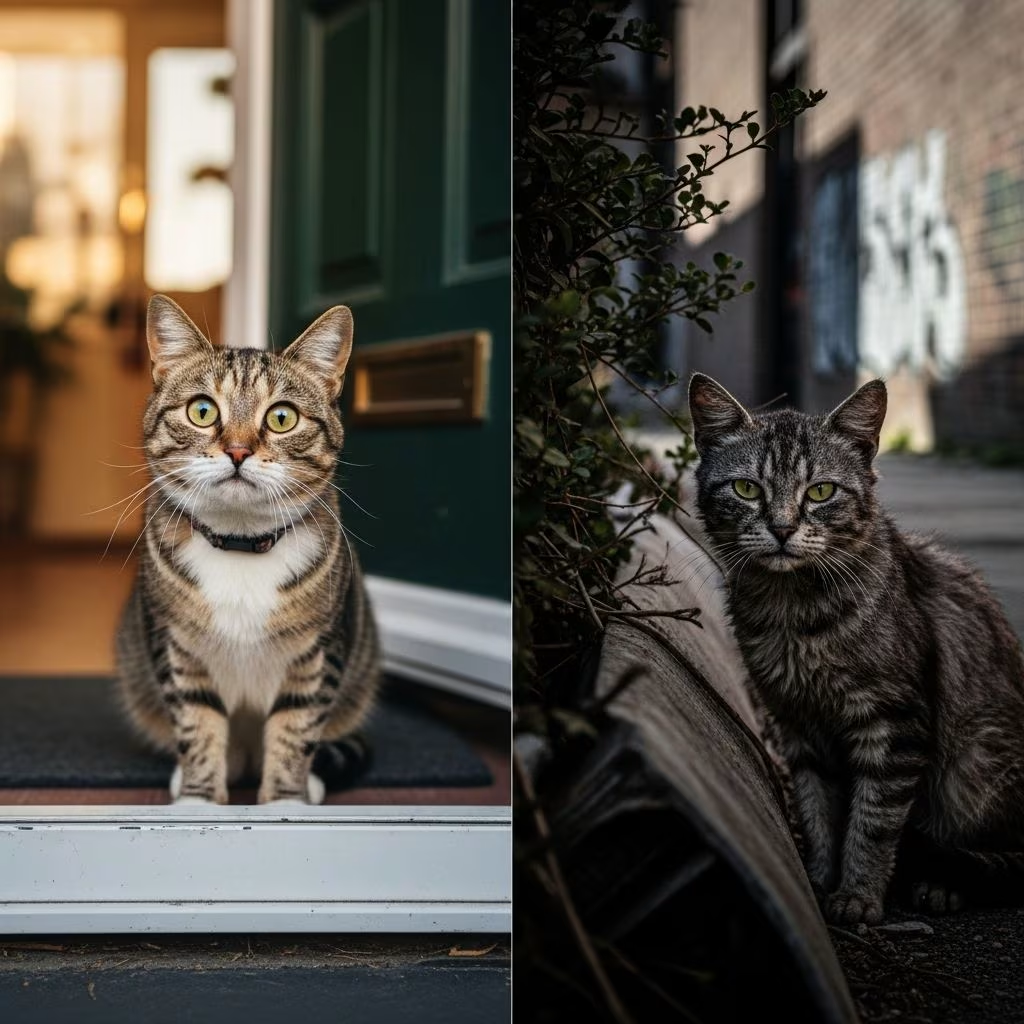
Encountering an unfamiliar cat in your neighborhood raises important questions about how to respond. **Stray cats** were once domesticated pets that have lost their homes, while **feral cats** live independently outdoors without human socialization. Recognizing these differences guides appropriate actions, from potential rehoming to supporting outdoor colonies.
Defining the Core Distinctions
Stray cats originate from indoor homes where they formed bonds with humans. They may have wandered off, been abandoned, or escaped, but their past experiences make them approachable. Over time without human contact, a stray can transition toward feral behaviors, though early intervention often restores their comfort with people.
Feral cats, by contrast, lack meaningful human interaction from birth or have lost it entirely. Born to feral mothers in outdoor colonies, they prioritize survival instincts over companionship with people. These cats thrive in groups, relying on each other rather than humans for social needs.
| Aspect | Stray Cats | Feral Cats |
|---|---|---|
| Socialization | Socialized to humans at some point | Not socialized to humans |
| Origin | Lost or abandoned pet | Born outdoors or unsocialized |
| Adoption Potential | High, can return to homes | Low, prefer outdoor life |
| Group Living | Often solitary | Live in colonies |
Observing Behaviors in the Wild
Daily patterns reveal much about a cat’s background. Strays frequently appear during daylight hours, seeking food near homes or businesses. They might linger on porches, meowing for attention or rubbing against objects in a friendly manner. Feral cats, however, adopt nocturnal habits to avoid detection, emerging briefly at dawn or dusk.
- Approach Style: Strays walk confidently with tails raised, signaling openness. They hold eye contact, blink slowly, or vocalize in response to humans.
- Avoidance Tactics: Feral cats crouch low, ears flattened, and tails tucked for protection. They flee to hiding spots without hesitation.
Vocalizations further differentiate them. A stray’s meows, purrs, or chirps mimic household pets begging for interaction. Feral cats remain silent, communicating primarily through body language or hisses when cornered.
Physical Appearance and Health Indicators
Examine a cat’s coat and build for clues. Strays often appear unkempt from street life, with matted fur or visible injuries from brief outdoor exposure. Feral cats maintain sleeker coats through grooming habits honed in colonies. Intact males among ferals show muscular necks, large heads, and battle scars from territorial fights, as neutering rates remain low in wild populations.
Colony dynamics influence feral health. These groups share resources, reducing individual stress but increasing disease transmission risks if unmanaged. Strays, lacking such networks, face isolation but may seek human aid more readily.
Assessing Cats in Confined Situations
Trap-Neuter-Return (TNR) programs highlight challenges in identification. A frightened stray in a trap mimics feral aggression, hissing or retreating. Allow 24-48 hours for calming; strays gradually relax, approaching cage fronts or responding to food sounds like can openers.
- Touch Test: Strays tolerate gentle handling or objects after adjustment; ferals resist all contact.
- Exploration: Strays investigate toys or familiar scents; ferals ignore stimuli, staying tense.
- Anxiety Response: Strays growl defensively; ferals lash out with swipes or dilated pupils.
These observations prevent misplacement. Shelters euthanize unsocialized ferals at high rates, making accurate assessment crucial for humane outcomes.
Understanding Socialization Windows
Socialization occurs primarily between 2-7 weeks of age. Kittens handled during this period bond with humans, becoming adoptable pets. Feral kittens past 8 weeks harden against human trust, though patient fostering can succeed up to 12 weeks.
Adult ferals rarely shift, but their offspring offer hope. TNR with early kitten socialization breaks colony cycles, reducing populations humanely.
Humane Management Strategies
For strays, posting lost pet alerts and providing temporary shelter encourages reunions. Veterinary checks ensure vaccinations and spaying/neutering before adoption.
Feral colonies benefit from TNR: trap, sterilize, vaccinate, and return. This stabilizes numbers, improves health, and minimizes nuisances like yowling or spraying. Feeders maintain colonies responsibly, monitoring for illness.
| Strategy | Best for Strays | Best for Feral |
|---|---|---|
| Rehoming | Scan microchip, advertise locally | Not recommended |
| Surgery | Spay/neuter before adoption | TNR core program |
| Feeding | Temporary aid | Consistent, scheduled |
| Shelter Intake | Ideal if social | Avoid; high euthanasia risk |
Health Challenges and Interventions
Both face parasites, injuries, and upper respiratory infections, but ferals’ group living amplifies spread. TNR vaccinates against rabies and feline leukemia, ear-tipping identifies treated cats.
Monitor for abscesses, especially in fighting males. Provide sheltered feeding stations to boost survival without encouraging dependency.
Legal and Community Considerations
Laws vary; some areas protect community cats via TNR ordinances. Avoid relocation, which disrupts colonies and increases aggression. Collaborate with local rescuers for guidance.
FAQs
Can a stray cat become feral?
Yes, prolonged isolation erodes socialization, shifting behaviors toward feral patterns.
Are feral cats dangerous?
They defend themselves when threatened but pose minimal risk if respected from afar.
How do I help a stray safely?
Approach slowly, offer food, and contact shelters for scanning and care.
What is ear-tipping?
A universal TNR signal: the tip of one ear is surgically removed under anesthesia.
Can feral kittens be tamed?
Those under 8 weeks have excellent odds with dedicated handling.
References
- Feral and Stray Cats: An Important Difference — Alley Cat Allies. 2023-05-15. https://www.alleycat.org/resources/feral-and-stray-cats-an-important-difference/
- Stray vs Feral Cats – What you Need to Know — Furever Home Adoption Center. 2024-02-10. https://www.fureverhomeadoptioncenter.com/furever-home-blog/stray-vs-feral-cats-what-you-need-to-know
- What’s the difference between stray, feral, and pet cats? — Alley Cat Allies. 2023-08-22. https://www.alleycat.org/community-cat-care/whats-the-difference-between-stray-feral-and-pet-cats/
- Feral cat — Wikipedia (citing primary sources). 2025-01-20. https://en.wikipedia.org/wiki/Feral_cat



