

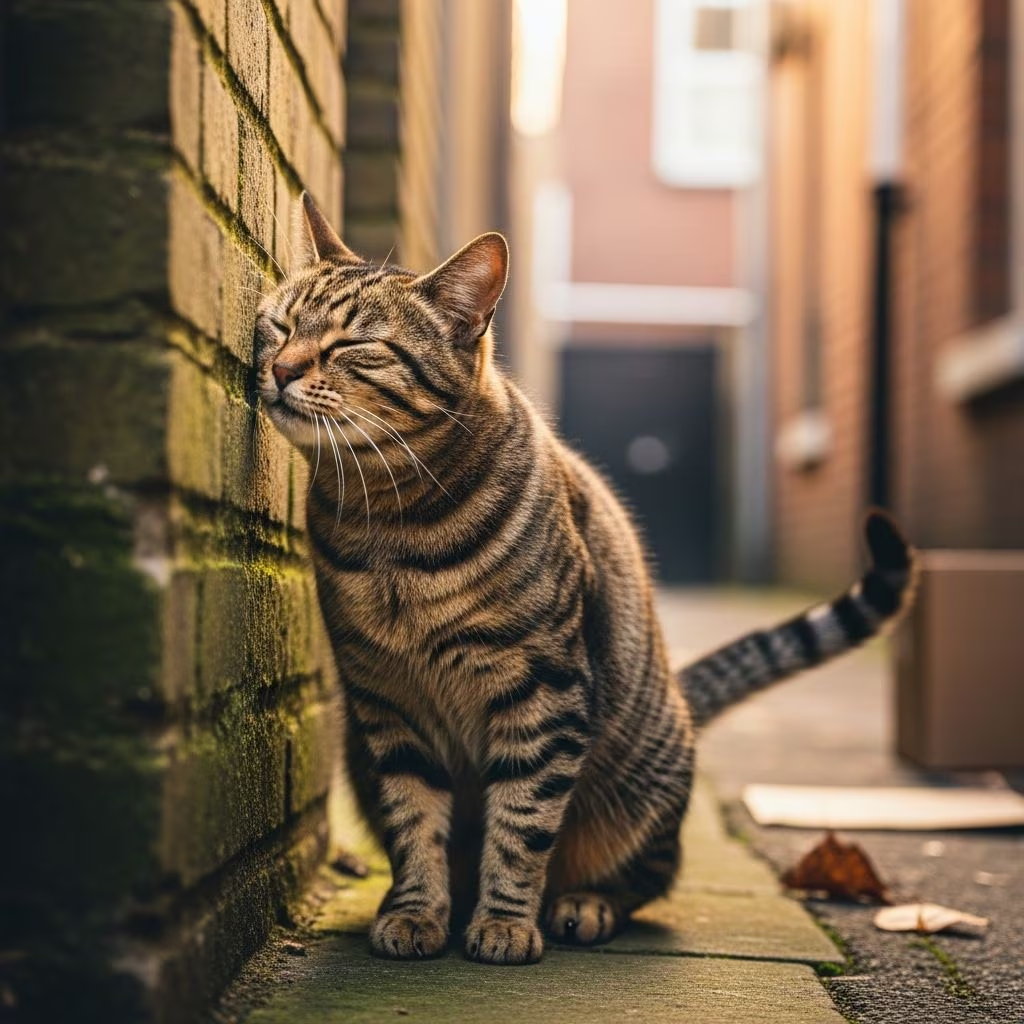
Encountering a stray cat wandering into your space can spark curiosity and compassion. These outdoor felines often carry stories of lost homes or survival challenges, and their interactions reveal much about their past. Understanding when a stray cat displays positive feelings toward you involves observing specific behaviors that signal comfort and trust. This guide explores those indicators, drawing from feline communication patterns to help you respond appropriately.
Deciphering Feline Backgrounds: Stray or Feral?
Before interpreting affection, distinguish between stray and feral cats, as this affects their social tendencies. Stray cats, typically former pets, retain human socialization and show friendliness over time. Feral cats, born wild, exhibit caution and rarely seek contact.
- Stray traits: Approach cautiously but warmly, meow for attention, seek shelter near homes.
- Feral traits: Avoid eye contact, crouch low, live in colonies without ear tips indicating neutering.
Appearance offers clues: Strays may look underweight or disheveled but groom better than ferals, who appear wilder. Test by offering food nearby; strays often return daily, building rapport.
Body Language That Speaks Volumes
Cats communicate primarily through posture and movement. A stray warming to you will display relaxed, inviting signals rooted in domestic instincts.
Tail Positions and Movements
The tail acts as a mood barometer. An upright tail with a slight curl at the tip mirrors house cat greetings, signaling friendliness. Watch for slow swishes indicating contentment, unlike rapid flicks of irritation.
| Signal | Meaning | Stray Context |
|---|---|---|
| Upright tail | Confidence and greeting | Approaching you boldly |
| Quivering tail | Excitement | Rubbing against legs |
| Low swish | Relaxation | Settling near you |
Eye Contact and Blinking
Slow blinks, known as ‘cat kisses,’ convey trust. If a stray holds your gaze then blinks slowly, it’s acknowledging you as non-threatening. Direct staring from ferals signals wariness, but strays engage playfully.
Ear and Whisker Cues
Forward-pointing ears show interest; flattened ones indicate fear. Relaxed whiskers slightly forward suggest curiosity and safety.
Vocalizations: Hearing Their Interest
Strays vocalize more than ferals, using meows to communicate needs or affection.
- Chirps and trills: High-pitched sounds denote happiness, often when approaching for pets.
- Purring: Vibrations during contact mean contentment, even from thin strays seeking warmth.
- Meowing patterns: Persistent calls, especially near doors, mimic lost pets seeking entry.
Unlike silent ferals, affectionate strays ‘talk’ to build bonds, escalating from cautious chirps to demanding meows.
Physical Contact and Proximity
Nothing confirms liking like touch-seeking. Strays initiate by rubbing (bunting), marking you with scent glands on cheeks and tail.
Rubbing and Head Bunting
This deposits pheromones, claiming you as part of their territory—a high honor from a stray.
Following and Loitering
Tailing you or lingering nearby shows attachment. Strays may weave between legs or nap close, contrasting feral distance.
Petting tolerance evolves: Initial flinches give way to leaning in, exposing belly (trust test—proceed gently).
Daily Routines and Food Responses
Strays associate humans with sustenance, arriving predictably for meals. Gorging suggests scarcity; dainty eating implies prior care.
- Sit nearby during feeding to foster trust.
- Observe if they wait patiently or bolt—patience signals socialization.
Grooming and Self-Care Insights
Well-maintained fur points to pet history. Strays groom actively but may show matting from stress. Mutual grooming attempts (licking your hand) indicate deep bonds.
Playful Interactions as Bonding
Bats at strings or chases shadows near you? Play reveals confidence. Strays retain kittenish energy, inviting engagement.
Navigating Trust-Building Safely
Respond to signals thoughtfully:
- Provide consistent food/water without forcing contact.
- Use soft voices, avoid direct stares initially.
- Check for microchips after rapport builds—many strays are lost.
- Post found notices; paper collars aid owner reunions.
Trap-neuter-return for ferals; indoor assessment for friendly strays.
Common Misinterpretations
Shy strays mimic ferals initially. Patience differentiates: Days of feeding often unveils affection. Avoid assuming every approach means adoption readiness.
Health Checks for Affectionate Strays
Inspect for ear tips (feral marker), wounds, or thinness. Vet visits confirm status.
FAQs
What if a stray cat approaches but then flees?
It’s building trust gradually. Continue feeding from afar.
Does purring always mean a stray likes me?
Usually contentment, but context matters—pair with other signs.
How long to wait before taking a stray inside?
After lost pet checks and health assessment, 1-2 weeks of observation.
Can feral cats show similar affection?
Semi-ferals might to feeders, but rarely fully socialize.
Is belly exposure safe to pet?
Test lightly; claws may emerge if uncomfortable.
References
- A Feral Cat Or A Stray Cat? How To Tell The Difference — TheCatSite. Accessed 2026. https://thecatsite.com/c/a-feral-cat-or-a-stray-cat-how-to-tell-the-difference/
- Stray Cat — Livingston County Humane Society. Accessed 2026. https://lchumanesociety.dog/index.php/pets-candy/
- Stray Cat vs Cheekie Pet – How to spot a cat in genuine need of rescue help — Rescue Tales. 2012-05-11. https://rescuetales.wordpress.com/2012/05/11/stray-cat-vs-cheekie-pet-how-to-spot-a-cat-in-genuine-need-of-rescue-help/
- Steps to Take If You Find a Cat Outdoors — SPCA Nova. Accessed 2026. https://spcanova.org/resources/found-a-cat-or-dog/steps-to-take-if-you-find-cat-outdoors/
- Feral and Stray Cats: An Important Difference — Alley Cat Allies. Accessed 2026. https://www.alleycat.org/resources/feral-and-stray-cats-an-important-difference/



