
Strange Eating Habits in Cats: Why Do They Do That?
Decode your cat's unusual eating behaviors and learn when to worry about their health.
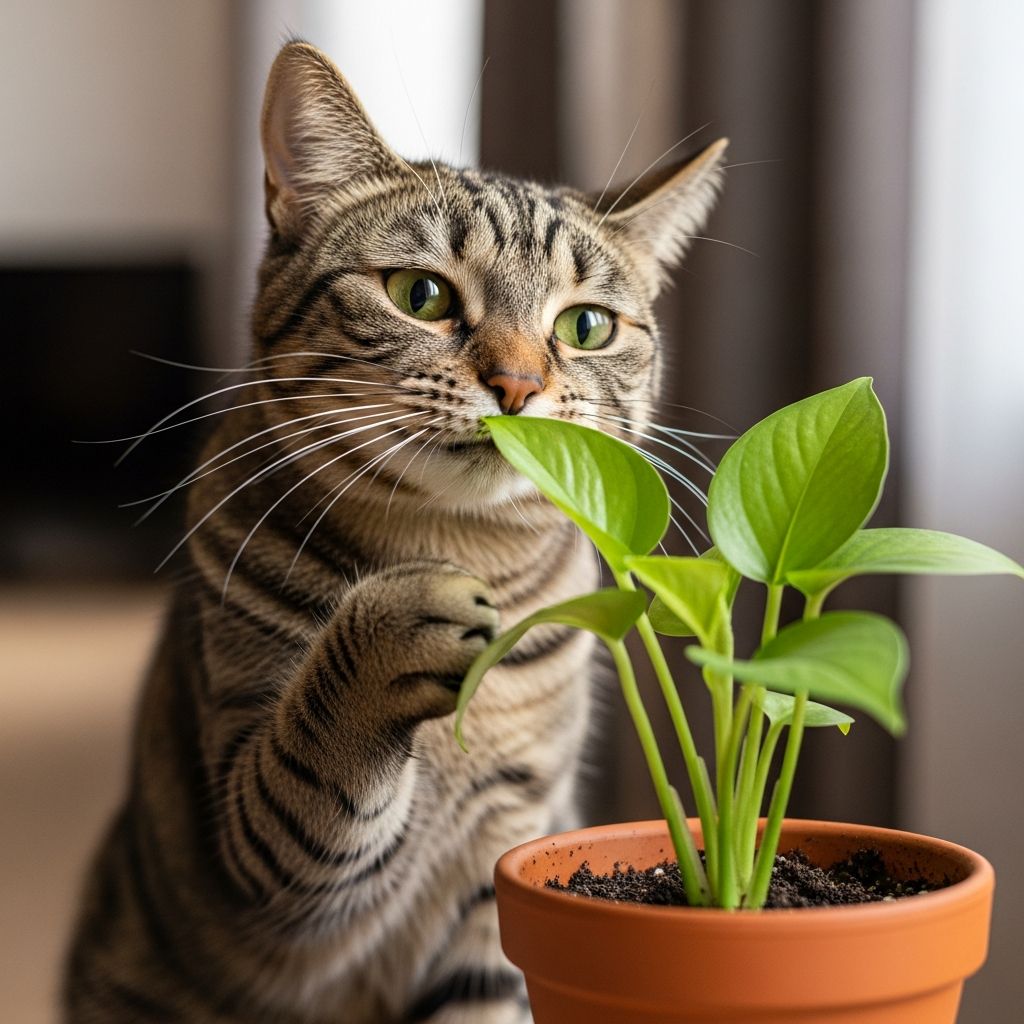
Cats are known for their independent nature and refined tastes, but their eating behaviors can often puzzle their owners. From refusing to eat certain foods to munching on household plants, cats display a wide range of unusual dietary habits. Understanding these behaviors is essential for cat owners who want to ensure their pets remain healthy and happy. Some eating oddities are completely harmless quirks, while others may signal underlying health issues that require veterinary attention.
Feline eating behaviors are influenced by a complex combination of factors, including genetics, environmental conditions, past experiences, and medical health. What might seem bizarre to us is often perfectly natural for our feline companions. By exploring the reasons behind these behaviors, cat owners can better support their pets’ nutritional needs and identify potential problems early.
Understanding Normal Cat Eating Behavior
Before we can identify what’s unusual, it’s important to understand what constitutes normal eating behavior in cats. Cats are obligate carnivores, meaning they require meat-based diets to thrive. In the wild, cats are opportunistic hunters who eat small portions throughout the day whenever prey is available.
Domestic cats typically consume food in small, frequent meals throughout the day, though many adapt to the feeding schedules their owners establish. Most cats are naturally good at regulating their food intake and will eat until satiated. However, when given unlimited access to food or encouraged to eat more than they need, they may overeat. Additionally, as cats age, their eating techniques may change, particularly if they experience declining senses of smell and taste.
Normal feline eating behaviors include tongue-rolling to aid in swallowing, particularly with larger meat chunks, and lapping liquids from bowls or water fountains. These behaviors are adaptations that help cats consume and digest their food efficiently.
Tongue-Rolling and Lapping: Natural Eating Techniques
One of the most fascinating aspects of cat feeding behavior is the way they use their tongues to consume food. Tongue-rolling is a common technique where cats curl their tongues backward into their mouths, allowing them to push food further down their throats and make swallowing easier. This technique is particularly useful when cats consume large chunks of meat or wet food.
Lapping is another natural eating behavior commonly observed in cats, especially as they age. When cats lose their sense of smell and taste due to aging, they often resort to lapping liquids from bowls, water bottles, or fountains. This adaptive behavior allows them to absorb necessary nutrients and maintain hydration even when their traditional senses diminish. For older cats, this method becomes increasingly important for ensuring they receive adequate nutrition.
Understanding these natural feeding techniques helps cat owners recognize that variations in eating style are normal and not cause for concern. Each cat develops unique eating preferences based on their individual personality and physical capabilities.
Common Strange Eating Habits in Cats
1. Pica: Eating Nonfood Items
One of the most concerning strange eating habits in cats is pica, a condition where cats chew, suck, or consume inedible materials. Cats with pica may eat a wide variety of inappropriate items, including cardboard, fabric, paper, plastic, rubber, soil, wood, and even rocks. While some cats may simply chew on these materials, others actually ingest them, which can lead to serious medical complications.
Pica is caused by several different factors. Nutritional deficiencies are a primary concern, as some cats develop pica when they lack essential minerals or vitamins. Early weaning can also contribute to this behavior, as kittens separated from their mothers too soon may develop nonnutritive suckling behaviors and chewing habits. Cats weaned prematurely may specifically seek out fabric items such as wool, fleece, or stuffed animals as a compensatory behavior.
Environmental and psychological factors also play significant roles in pica development. Boredom and lack of mental stimulation can drive cats to seek out inappropriate items to chew and consume. Anxiety and stress, including separation anxiety or changes in household environment, may redirect a cat’s stress into abnormal eating behaviors. Some cats initiate pica after the introduction of new animals to the household.
The most serious concern with pica is the risk of gastrointestinal obstruction, which can be life-threatening. If you suspect your cat has pica, scheduling a veterinary visit is essential to rule out underlying medical problems and discuss management strategies.
2. Munching on Household Plants
Many cat owners notice their feline companions nibbling on houseplants, and while this behavior can be frustrating, it’s typically quite normal. Eating greenery is thought to be a natural instinct carried over from wild cat species, which consume grass to aid in digestion and help eliminate hairballs.
Domestic cats satisfy this innate drive by nibbling on available houseplants. This behavior doesn’t necessarily need to be discouraged, but it’s crucial to ensure that only cat-safe plants are within reach. Many common houseplants are toxic to cats and can cause serious health problems if ingested. Cat owners should research which plants are safe for feline consumption and remove or relocate toxic varieties.
3. Playing with Food
Another common strange eating habit is when cats play with their food before eating it. This behavior stems from their hunting instincts and represents a carryover from their wild ancestors. In nature, cats catch prey and engage with it before consuming it. This instinctual behavior can manifest as batting food around, tossing kibble, or manipulating wet food with their paws.
While this behavior may seem wasteful or odd to owners, it’s a completely normal expression of predatory instincts. Some cats are more prone to this behavior than others, depending on their individual personality and drive level.
4. Gorging and Overeating
Some cats display a tendency to eat too much when given the opportunity, leading to weight gain and related health problems. Unlike their wild ancestors who never knew when their next meal would arrive, domestic cats with unlimited food access may eat beyond their actual nutritional needs.
Overeating in cats is often attributed to owner behavior, such as free feeding or providing too large portions at mealtimes. Additionally, some cats eat out of boredom or stress rather than genuine hunger. If your cat exhibits attention-seeking behaviors around mealtime, begging for more food even after eating a full meal, it’s important to establish firm boundaries and stick to appropriate portion sizes.
5. Refusing to Eat Alone
Some cats display a preference for not eating in solitude, insisting on eating near their owners or other household members. This behavior reflects the social nature of some felines and their desire for companionship during mealtimes. While this preference may seem endearing, it can sometimes indicate anxiety or insecurity in cats.
6. Finicky Eating and Food Preferences
Cats are famous for being finicky eaters, often developing strong preferences for specific flavors, textures, and brands of food. Their pickiness is partly due to their genetic makeup and sensory preferences. Some cat breeds, particularly Oriental breeds, may have stronger predispositions toward certain eating behaviors.
A cat’s food preferences develop from their early experiences and environmental influences. What one cat finds delicious, another may refuse entirely. Additionally, cats can become quite set in their ways, and changing their diet abruptly can result in complete refusal to eat. This finickiness is simply part of what makes each cat unique.
Psychological and Environmental Factors
Understanding the psychological aspects of cat eating behavior is crucial for identifying the causes of strange habits. Cats display distinctive eating behaviors shaped by their individual personalities, sensory perception, and environmental influences.
Stress and anxiety significantly influence eating patterns in cats. Changes in a cat’s surroundings, such as moving to a new home or alterations in household routine, can lead to unusual eating habits. Some cats become more finicky or lose their appetite altogether when stressed. The location and cleanliness of feeding areas also impact their willingness to eat. Cats prefer quiet, undisturbed spots to enjoy their meals, away from loud noises and household traffic.
Psychological factors combine with physiological responses to create a complex relationship with food that influences daily habits. Understanding these aspects helps explain why feeding styles vary widely within the feline population.
When to Seek Veterinary Help
While many strange eating habits in cats are harmless quirks, some require professional veterinary attention. If your cat exhibits any of the following behaviors, scheduling a veterinary visit is important:
- Consuming nonfood items regularly (pica)
- Sudden changes in appetite or eating patterns
- Difficulty chewing or swallowing
- Vomiting after eating
- Unexplained weight loss or gain
- Extreme pickiness that results in inadequate nutrition
- Eating feces (coprophagia)
Your veterinarian can rule out underlying medical conditions such as dental disease, gastrointestinal disorders, nutritional deficiencies, hyperthyroidism, and other health issues that may manifest as strange eating behaviors.
Managing and Modifying Eating Habits
Cats’ unique eating habits can often be managed through strategic adjustments and environmental modifications. When introducing new foods, do so gradually, mixing new items with familiar foods to ease the transition. Abrupt dietary changes can lead to refusal to eat and gastrointestinal upset.
For undesirable habits such as eating nonfood items or consuming feces, addressing the underlying cause is essential. Keeping litter boxes meticulously clean and providing a nutrient-rich diet can discourage these behaviors. Ensuring adequate mental stimulation, interactive play, and environmental enrichment can reduce eating-related behaviors driven by boredom.
Creating a calm, consistent feeding environment helps maintain regular eating patterns and prevents stress-related eating issues. Designating a quiet feeding area away from household chaos allows cats to eat undisturbed. Establishing consistent feeding schedules also helps regulate eating behavior.
Nutritional Considerations for Picky Eaters
For cats with extreme finicky eating habits, ensuring they receive complete and balanced nutrition becomes challenging. Working with your veterinarian or a veterinary nutritionist can help identify foods that meet your cat’s nutritional needs while accommodating their preferences.
Some cats may benefit from rotating between different high-quality foods to prevent food boredom while ensuring nutritional variety. Others may require specific dietary formulations to address health concerns or deficiencies. Regular veterinary consultations ensure these habits are not symptoms of underlying health issues and that your cat maintains optimal nutrition.
Frequently Asked Questions
Q: Is it normal for cats to eat plants?
A: Yes, eating greenery is normal and thought to aid digestion. However, ensure only cat-safe plants are accessible, as many common houseplants are toxic to cats.
Q: What should I do if my cat has pica?
A: Schedule a veterinary visit immediately to rule out medical problems such as nutritional deficiencies or gastrointestinal issues. Your vet can recommend management strategies and ensure your cat’s safety.
Q: Why is my cat so finicky about food?
A: Cats develop strong food preferences based on genetics, early experiences, and individual personality. Some breeds are naturally more finicky than others. Gradual introduction to new foods and a consistent feeding environment can help.
Q: Can stress affect my cat’s eating habits?
A: Yes, stress and anxiety can significantly impact eating behavior, leading cats to become finicky, lose appetite, or develop unusual eating habits. Creating a calm, consistent environment helps manage stress-related eating issues.
Q: How much should my cat eat daily?
A: The amount depends on your cat’s age, weight, activity level, and health status. Your veterinarian can recommend appropriate portion sizes to maintain healthy weight.
Q: Why does my cat play with food before eating?
A: This behavior reflects natural hunting instincts carried over from their wild ancestors. It’s normal and doesn’t require intervention unless it results in significant food waste.
References
- 5 Strange Cat Eating Habits — PetMD. https://www.petmd.com/cat/general-health/strange-cat-eating-habits
- Abnormal Eating Habits in Cats — University of California, Davis School of Veterinary Medicine. https://healthtopics.vetmed.ucdavis.edu/health-topics/feline/unusual-eating-habits-cats
- Strange Things Cats Eat: Pica Symptoms and Treatments — WebMD. https://www.webmd.com/pets/cats/features/unusual-cat-cravings
- 9 Weird Eating Habits In Cats — And What To Do About Them — Sheba. https://www.sheba.com/lifestyle/nine-weird-eating-habits-in-cats-and-what-to-do-about-them
- Unusual Cat Eating Habits Explained by Experts — The Valley Animal Hospital. https://thevalleyanimalhospital.com/unusual-cat-eating-habits/
Similar Articles








Read full bio of Sneha Tete




