

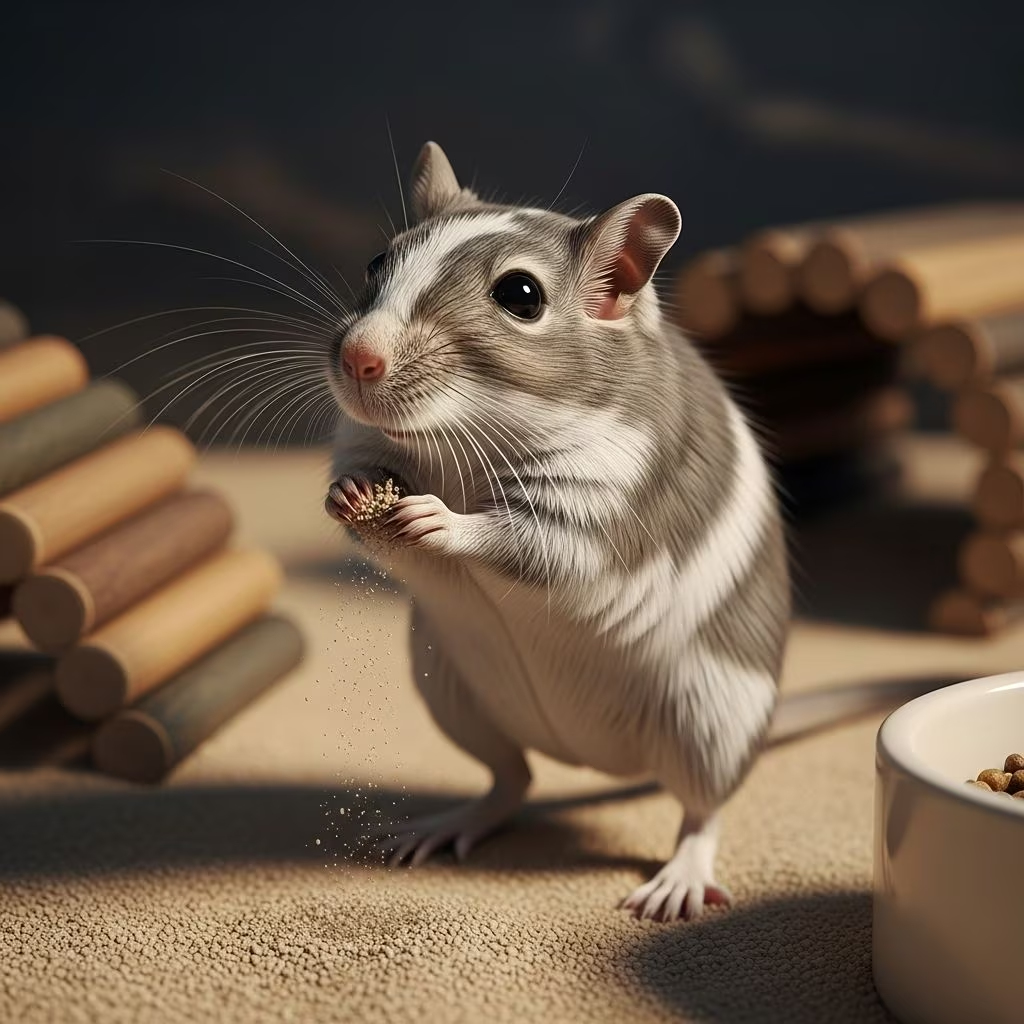
Understanding Your Gerbil: A Guide to Strange But Common Behaviors
Gerbils are fascinating small pets known for their high energy, curiosity, and complex social behaviors. If you’ve recently welcomed gerbils into your home, you may have noticed some behaviors that seem unusual or even strange. From constant digging to loud thumping sounds, these little creatures engage in a variety of fascinating behaviors that are completely normal and natural. Understanding these behaviors is essential for providing proper care and ensuring your gerbils remain healthy and happy.
Many new gerbil owners find themselves puzzled by their pets’ actions, wondering if something is wrong or if their gerbils are simply being their quirky selves. The truth is, gerbils display a wide range of behaviors that are deeply rooted in their instincts and social structures. By learning about these behaviors, you can better appreciate your gerbils’ personalities and create an environment that supports their natural needs.
1. Thumping: More Than Just Noise
One of the most distinctive gerbil behaviors is thumping, where gerbils rapidly jump up and down on their hind legs, creating loud sounds with their back feet. This behavior might startle new gerbil owners, but it serves important purposes in gerbil communication.
Thumping typically occurs when gerbils are alarmed, excited, or feel threatened. In the wild, gerbils use this behavior to warn other members of their group about potential danger. The sound travels through burrows and alerts nearby gerbils to take shelter or be on alert. In captivity, your gerbils may thump if they hear unfamiliar noises, sense a predator nearby (like a cat or dog), or become startled by sudden movements.
Interestingly, thumping can also indicate excitement rather than fear. Sometimes gerbils will thump when they’re happy and playing with cage mates. The key to understanding your gerbil’s thumping is observing the context. If your gerbil frequently thumps, try to identify potential stressors in their environment such as loud noises, proximity to other pets, or being placed near a television. Reducing these stressors can help create a calmer environment for your pets.
2. Digging and Burrowing: Instinctive Behavior
Gerbils are natural burrowers, and in the wild, they create complex underground tunnel systems for shelter and protection. This instinct is so strong that even in captivity, gerbils will constantly dig and burrow. You’ll often see them digging in bedding, pushing bedding around their enclosure, or even attempting to dig against the glass walls of their cage.
Digging serves multiple purposes for gerbils. It provides them with mental stimulation, allows them to create comfortable nesting areas, and helps them feel secure by recreating their natural habitat. Some gerbils will persistently dig at the edges or corners of their tanks in an attempt to escape, though they’re not actually trying to flee—they’re simply following their natural instincts. In fact, providing a large amount of bedding is crucial for allowing your gerbils to express this natural behavior.
You may also notice that gerbils bury or cover up food you provide for them. This behavior reflects their wild instinct to cache food for later consumption. If your gerbil frequently digs against the glass, consider that this might signal boredom, and adding more enrichment such as additional bedding, tunnels, or digging boxes can help satisfy this need.
3. Scent Marking: Claiming Territory
Gerbils have a scent gland located on their bellies that produces a unique, sticky fluid. This gland is slightly darker in color than the surrounding skin, and gerbils use it extensively to mark their territory. Scent marking is often one of the first behaviors you’ll observe when introducing a new gerbil to its environment, as they’ll rub their stomachs against objects, bedding, cage bars, toys, and even other gerbils.
This behavior serves critical functions in gerbil society. By marking their territory with scent, gerbils establish ownership of their space and communicate with other gerbils about who lives in that area. The scent marking is particularly important for adult male gerbils, who are highly territorial creatures. In fact, territorial gerbils will actively defend their marked territory and may fight intruders to establish dominance.
While scent marking is completely normal, excessive scent marking can sometimes lead to behavioral issues or even health concerns such as scent gland tumors, so careful monitoring is necessary. If you notice your gerbil is over-marking its territory, ensure they have adequate space and enrichment to prevent stress-related behaviors.
4. Dominance Mounting: Establishing Hierarchy
Gerbils are social animals that often live in pairs or groups, and within these groups, a social hierarchy exists. One way gerbils express dominance is through mounting behavior, which can appear similar to mating but serves a different purpose. When a gerbil mounts another gerbil to display dominance, the mounted gerbil is typically the subordinate member of the pair.
It’s important to understand that mounting behavior doesn’t always indicate mating. In same-sex pairs, mounting is typically a display of dominance rather than reproductive behavior. The gerbil that mounts is reinforcing its position in the social hierarchy over the other gerbil. Interestingly, in some male pairs, both gerbils may be co-dominant, meaning they share power equally within the pairing.
Occasional mounting behavior is normal and nothing to worry about. However, if mounting becomes frequent or is accompanied by aggressive behaviors such as biting, it may indicate that the pair is not compatible and intervention may be necessary. Some dominant gerbils may bite the neck or attack suddenly during mounting, which requires immediate attention to prevent injury.
5. Assertive Body Language: Displaying Dominance
When two gerbils interact, especially when meeting for the first time, they often display assertive body language to establish dominance. The dominant gerbil will attempt to make itself appear larger and more intimidating by standing on its hind legs or arching its back. This posturing is a way of asserting authority without necessarily engaging in physical combat.
In contrast, subordinate gerbils typically display submissive body language by backing away or rolling onto their sides to expose their bellies. This belly exposure is a clear signal of submission and is meant to avoid conflict. Understanding these body language cues can help you determine the social dynamics within your gerbil group and identify any potential conflicts before they escalate.
6. Aggressive Behaviors: When Dominance Goes Too Far
While dominance displays are normal, some gerbils may become overly aggressive. Aggressive gerbils will chase and potentially attack subordinate gerbils, sometimes repeatedly since the subordinate cannot escape within the confined cage space. Physical aggression can result in visible injuries such as bite marks or a bleeding tail on the subordinate gerbil.
When unknown gerbils meet, they may display aggressive behaviors including chasing, biting, jumping, and squeaking. These behaviors typically occur during introductions when gerbils are establishing their social hierarchy. If you witness a serious fight, it’s important to separate the gerbils using gloves or a towel to prevent injuries.
Over time, aggression between cage mates can become increasingly serious and may require permanent separation. A behavior called “declanning” occurs when a dominant gerbil forces a subordinate gerbil out of the communal burrow or sleeping area. When declanning happens, it’s best to move the rejected gerbil into a separate enclosure to prevent further conflict and injury.
7. Excessive Grooming: Bonding or Dominance?
Grooming is a common social behavior among gerbils and typically indicates bonding and trust. Gerbils that groom each other are showing affection and strengthening their social bonds. However, grooming can also serve as a form of dominance display. Dominant gerbils may allow other gerbils to groom them while refusing to reciprocate the grooming behavior.
In some cases, dominant gerbils may over-groom their cage mates, resulting in patches of missing fur. This excessive grooming is a sign of dominance and can eventually lead to skin irritation or injury. If you notice over-grooming occurring, monitor the situation closely to ensure it doesn’t escalate into more serious aggression.
8. Declanning: Forced Separation
Declanning is a significant behavioral issue where a previously bonded pair of gerbils becomes incompatible and must be separated. This occurs when a dominant gerbil forces a subordinate gerbil out of the burrow and refuses to allow it to sleep with the group. Gerbils naturally sleep together in piles inside burrows they create for safety and comfort, so being forced to sleep apart is a serious rejection.
When declanning occurs, the rejected gerbil is forced to sleep alone and away from the group’s protection. This situation is stressful for the subordinate gerbil and can lead to increased aggression and injury. If you notice your gerbils are sleeping apart or that one gerbil is being kept away from the others, it’s important to remove the rejected gerbil and place it in a new separate enclosure where it can live comfortably on its own or potentially bond with a different gerbil.
9. Nose Booping: Friendly Greetings
Gerbils have a unique way of greeting each other that’s absolutely adorable: nose booping or rubbing noses together. This behavior is the gerbil equivalent of a human handshake and is how gerbils greet and get to know each other. Through nose booping, gerbils can recognize each other by tasting each other’s saliva or detecting each other’s unique scent.
Interestingly, gerbils have better distance vision than close-range vision, which is why they rely on nose booping and even gentle nibbling to recognize each other and their owners rather than relying solely on sight. Some bonded gerbils will even gently boop their owners’ noses or fingers as a sign of recognition and affection. This behavior is a positive sign that your gerbils are comfortable and social.
10. Licking Glass: A Sign of Thirst
If you observe your gerbil licking the glass of their enclosure, it’s a clear signal that your gerbil is thirsty. This behavior indicates that your gerbil either doesn’t have access to water or that their water bottle may be clogged or malfunctioning. Always ensure that your gerbils have access to fresh, clean water at all times. Check your water bottle regularly to make sure the spout isn’t clogged and that water is flowing freely.
11. Playing and Wrestling: Social Bonding
Gerbils are highly social animals that require companionship, and they love to play and interact with each other. Bonded gerbils will often snuggle together, wrestle, play chase, and engage in playful roughhousing. These activities are important for their physical and mental well-being. Wrestling and chasing should be distinguished from aggressive fighting by observing that both gerbils are participating willingly and neither appears injured or distressed.
It’s important to keep gerbils in pairs or groups of the same sex to avoid unwanted breeding and to provide the social interaction they need. Same-sex pairs or groups that have been properly introduced tend to bond well and engage in healthy play behaviors that keep them mentally stimulated and physically active.
12. Slow-Motion Movement: A Startle Response
Some gerbils display an unusual behavior when startled called slow-motion movement, where they appear to move in slow motion or in fits and starts. This behavior might look strange, but it’s a natural response to being startled or frightened. The gerbil essentially “freezes” or moves very slowly as a defense mechanism, similar to how prey animals might freeze to avoid detection by predators.
Additionally, you may notice gerbils displaying “funny jumping” behavior, particularly in young gerbils between one and two months old. These gerbils will jump and turn simultaneously while running away, as if they’re acting crazy suddenly, and then jump on their siblings to play. This is completely normal playful behavior and is part of their natural development and socialization.
Creating the Right Environment for Natural Behaviors
Understanding gerbil behaviors is only the first step; providing an environment that supports these natural instincts is equally important. Gerbils need tubes and tunnels to recreate their wild burrowing behavior, with tubes being at least 5 centimeters in diameter. They require ample bedding to satisfy their digging instincts and need space to exercise and play throughout the day and night.
As prey animals, gerbils are naturally timid and use their burrows to protect themselves from perceived predators. Providing hiding spots and secure spaces helps reduce stress and allows your gerbils to feel safe in their environment. Combined with proper nutrition, regular veterinary care, and consistent handling, understanding and supporting these behaviors will help ensure your gerbils live long, healthy, and enriched lives.
Frequently Asked Questions About Gerbil Behaviors
Q: Is thumping a sign that my gerbil is sick or stressed?
A: Thumping can indicate either excitement or stress. If your gerbil frequently thumps, identify potential stressors in their environment such as loud noises, unfamiliar pets, or sudden movements. Reducing these factors can help minimize stress-related thumping.
Q: Why do my gerbils keep digging at the cage walls?
A: This is completely natural burrowing behavior. Gerbils instinctively dig because they’re natural burrowers. Providing deeper bedding, digging boxes, and tunnels can help satisfy this need and may reduce glass-scratching behavior.
Q: How can I tell if my gerbils are playing or fighting?
A: Playful wrestling involves both gerbils participating willingly without visible injuries. Fighting involves chasing, biting, squeaking, and potential injuries such as bite marks or bleeding. If you witness serious fighting, separate the gerbils immediately.
Q: What should I do if my gerbils start declanning?
A: Declanning means one gerbil is being rejected and forced to sleep separately. Remove the rejected gerbil into a new enclosure immediately to prevent further conflict and injury.
Q: Is it normal for gerbils to mount each other?
A: Yes, mounting is a normal dominance display, especially in same-sex pairs. Occasional mounting is fine, but frequent mounting accompanied by aggression may indicate incompatibility requiring separation.
Q: Why does my gerbil lick the glass?
A: Glass licking indicates thirst. Check that your gerbil has access to water and that the water bottle spout isn’t clogged or stuck.
References
- Signs of Dominance in Gerbils – Advice for Pet Owners — Pet Assure. 2024. https://www.petassure.com/maxscorner/signs-of-dominance-in-gerbils-advice-for-pet-owners/
- Common Gerbil Behaviours and What They Mean — Critter Mamas. 2024. https://www.crittermamas.com/common-gerbil-behaviours-and-what-they-mean/
- Mongolian Gerbil Behaviour — Crittery. 2024. https://crittery.co.uk/species-list/mongolian-gerbils/mongolian-gerbils-behaviour
- Gerbil Behavior — PetPlace.com. 2024. https://www.petplace.com/article/small-mammals/general/gerbil-behavior
- Gerbils Care Guide — APSs of Durham. 2016. https://www.apsofdurham.org/wp-content/uploads/2016/03/Gerbils.pdf
- Gerbil Behaviour – Gerbil Pet Care — RSPCA. 2024. https://www.rspca.org.uk/adviceandwelfare/pets/rodents/gerbils/behaviour
- Everything About Gerbils – Behaviors — TheGerbils.com. 2024. http://www.thegerbils.com/gerbil9behaviours.htm



