

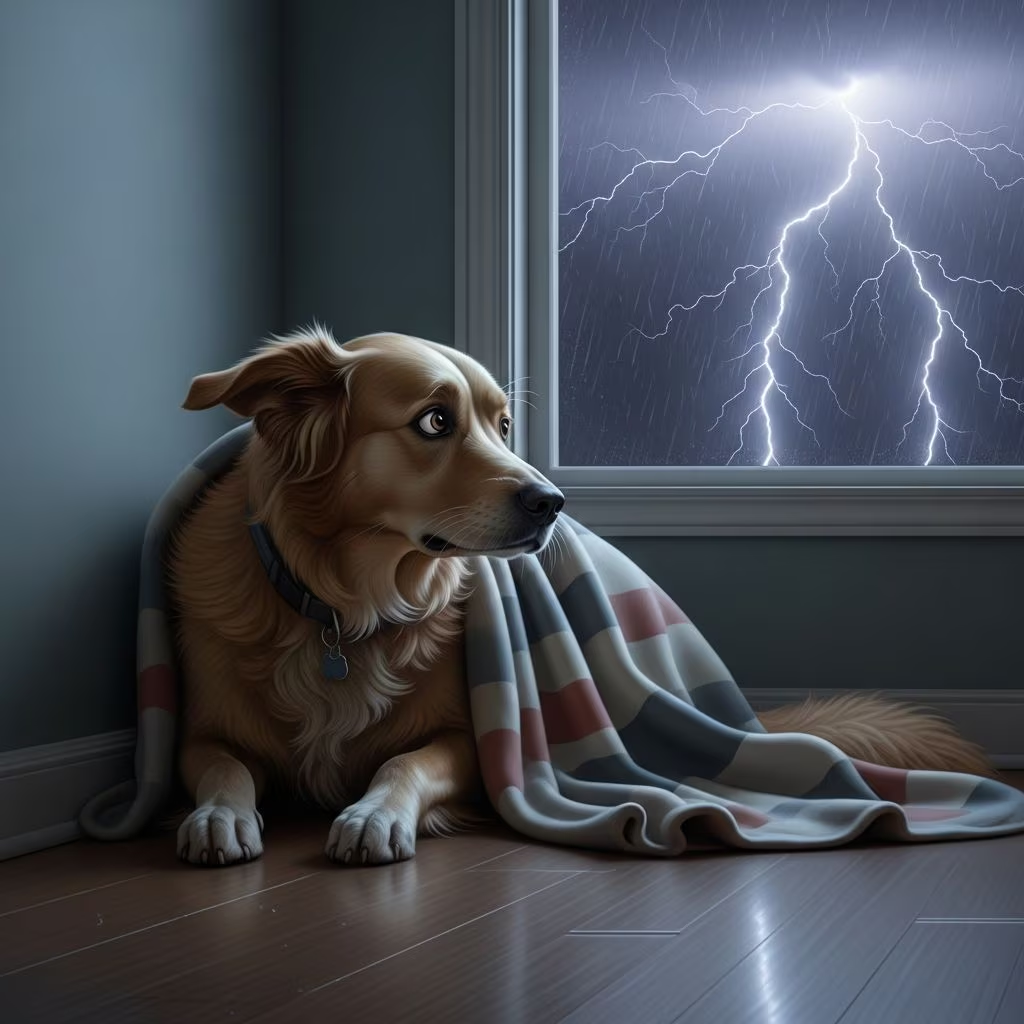
Storm phobia affects countless dogs, turning natural weather events into sources of intense distress. This condition manifests as extreme fear responses to thunderstorms, often escalating without intervention. Owners can implement a range of strategies to alleviate symptoms and improve their pet’s quality of life during inclement weather.
Recognizing the Signs of Storm-Related Anxiety
Dogs exhibit clear behavioral and physical indicators when storms approach. These reactions stem from a heightened fight-or-flight response, signaling underlying panic. Common manifestations include:
- Pacing and restlessness: Dogs may walk endlessly, unable to settle, as anxiety builds.
- Trembling or shaking: Visible shivers occur even in warm conditions, reflecting internal turmoil.
- Excessive vocalization: Whining, barking, or howling expresses their discomfort.
- Hiding behaviors: Seeking refuge in closets, under furniture, or tight spaces.
- Incontinence: Uncontrolled urination or defecation due to overwhelming stress.
- Drooling and panting: Heavy salivation and rapid breathing indicate physiological strain.
- Destructive actions: Chewing furniture or attempting escapes that risk injury.
These signs often intensify as storms near, with sensitive dogs detecting cues hours in advance through acute hearing or atmospheric shifts. Early recognition allows timely intervention.
Physiological Impacts of Unmanaged Storm Fear
Beyond behavior, storm phobia triggers profound bodily changes. The sympathetic nervous system activates, releasing stress hormones like cortisol and epinephrine, leading to elevated heart rates and hyperventilation. Chronic exposure exacerbates issues across multiple systems:
| Body System | Effects |
|---|---|
| Cardiovascular | Rapid heartbeat, potential hypertension |
| Respiratory | Panting, shallow breathing |
| Endocrine | Spike in cortisol, blood sugar fluctuations |
| Gastrointestinal | Appetite loss, vomiting, diarrhea |
| Musculoskeletal | Tension causing pain, injury from escapes |
| Immune | Suppression from prolonged stress |
Such responses, if frequent, contribute to long-term health decline, underscoring the need for proactive management.
Unraveling the Triggers Behind Canine Storm Phobia
Multiple sensory inputs converge during storms to provoke fear. Thunder’s low-frequency rumbles, inaudible to humans until late, alert dogs early. Lightning flashes disorient vision temporarily, while barometric pressure drops, ozone scents, wind, and static electricity add layers of discomfort.
Individual vulnerabilities amplify reactions:
- Genetic factors: Herding breeds like Border Collies show higher susceptibility.
- Early experiences: Lack of puppy socialization to noises fosters aversions.
- Hearing impairments: Deaf or partially deaf dogs struggle with sound localization.
- Comorbid conditions: Separation anxiety or pain heightens storm responses.
- Learned associations: Past traumas during storms cement phobias.
This multi-factorial nature explains varying severity across dogs.
Creating a Calming Environment for Stormy Days
Environmental modifications form the foundation of phobia management. Designate a ‘safe room’—a quiet, interior space away from windows, fortified with heavy blankets or foam for sound dampening. White noise machines or calming music mask thunder.
Comfort items enhance security:
- Pressure wraps like ThunderShirts apply gentle hugging sensation.
- Pheromone diffusers mimic maternal scents to soothe.
- Crate covering with familiar bedding promotes den-like security.
Maintain routines with exercise beforehand to reduce baseline anxiety. Presence during storms reassures without reinforcing fear—stay calm and non-interactive.
Behavioral Training Techniques for Long-Term Relief
Counterconditioning and desensitization reshape emotional responses over time. Pair storm cues with high-value rewards, starting at low volumes via recordings. Gradually increase intensity as tolerance builds, ensuring positive associations dominate.
Key steps include:
- Record storm sounds at minimal volume.
- Play during mealtimes or play sessions.
- Monitor body language; stop if stress appears.
- Progress slowly, sessions lasting 5-15 minutes daily.
Consistency yields results in weeks to months, preventing phobia worsening. Professional trainers aid complex cases.
Nutritional and Supplemental Aids
Natural supplements support nervous systems. L-theanine, chamomile, or melatonin promote relaxation without sedation. CBD products, vet-approved, show promise in anxiety reduction. Casein hydrolysate in treats releases comforting peptides.
Always consult veterinarians for dosing, especially with existing medications, to avoid interactions.
Veterinary Interventions for Severe Cases
When non-pharmacological methods fall short, medications bridge gaps. Benzodiazepines like alprazolam provide rapid calming for predicted storms. Selective serotonin reuptake inhibitors (SSRIs) offer daily prophylaxis for chronic sufferers. FDA-approved options like Sileo (dexmedetomidine) target noise phobias directly via oral gel.
A multimodal plan—combining meds, training, and environment—maximizes efficacy while minimizing side effects. Regular vet check-ups monitor progress and adjust protocols.
Breed-Specific Considerations and Prevention
Certain breeds face elevated risks; herders and sight hounds often react strongly due to sensory acuity or instincts. Puppies benefit from early noise exposure in controlled settings to build resilience. Spaying/neutering status shows no direct link, but holistic health supports emotional stability.
Prevention emphasizes positive conditioning from young ages, integrating storm simulations with rewards.
FAQs on Managing Dog Storm Phobia
Q: Can storm phobia develop suddenly in adult dogs?
A: Yes, triggers like trauma or age-related sensory changes can onset anytime.
Q: Is ignoring the behavior during storms recommended?
A: Partial comforting is fine if calm; excessive coddling may reinforce fear.
Q: How soon before a storm should medication be given?
A: 30-90 minutes prior, based on the drug; plan via weather apps.
Q: Do anxiety vests work for all dogs?
A: Effective for 60-80% but trial fits; combine with other methods.
Q: What if my dog tries to escape during storms?
A: Secure home perimeter, use microchip/ID, and create interior safe zones.
Holistic Approaches and Owner Mindset
Integrate massage, acupressure, or aromatherapy cautiously, vet-guided. Owners’ stress transmits to pets; practice mindfulness for composed responses. Track incidents in journals to refine strategies and spot patterns.
Storm phobia, while challenging, responds well to patient, layered interventions. Most dogs achieve significant improvement, reclaiming joy in all weathers.
References
- Thunderstorm Phobia in Dogs – Symptoms, Causes, Diagnosis — WagWalking. 2023. https://wagwalking.com/condition/thunderstorm-phobia
- Thunderstorm Phobias in Dogs: How to Manage Dog Storm Anxiety — PetMD. 2024. https://www.petmd.com/dog/conditions/behavioral/c_dg_thunderstorm_phobias
- Thunderstorm Phobia in Dogs — Gardens Animal Hospital. 2023. https://www.gardensanimalhospital.com/thunderstorm-phobia-in-dogs/
- Storm Phobia in Dogs — Today’s Veterinary Practice. 2022. https://todaysveterinarypractice.com/behavior/storm-phobia-in-dogs/
- Thunder and Furry: Helping Pets Overcome Storm Phobias — AAHA. 2023. https://www.aaha.org/resources/thunder-and-furry-helping-pets-overcome-storm-phobias/
- Helping Dogs with Severe Phobias During Storms and Fireworks — VCA Animal Hospitals. 2024. https://vcahospitals.com/know-your-pet/helping-dogs-with-severe-phobias-during-storms-and-fireworks



