

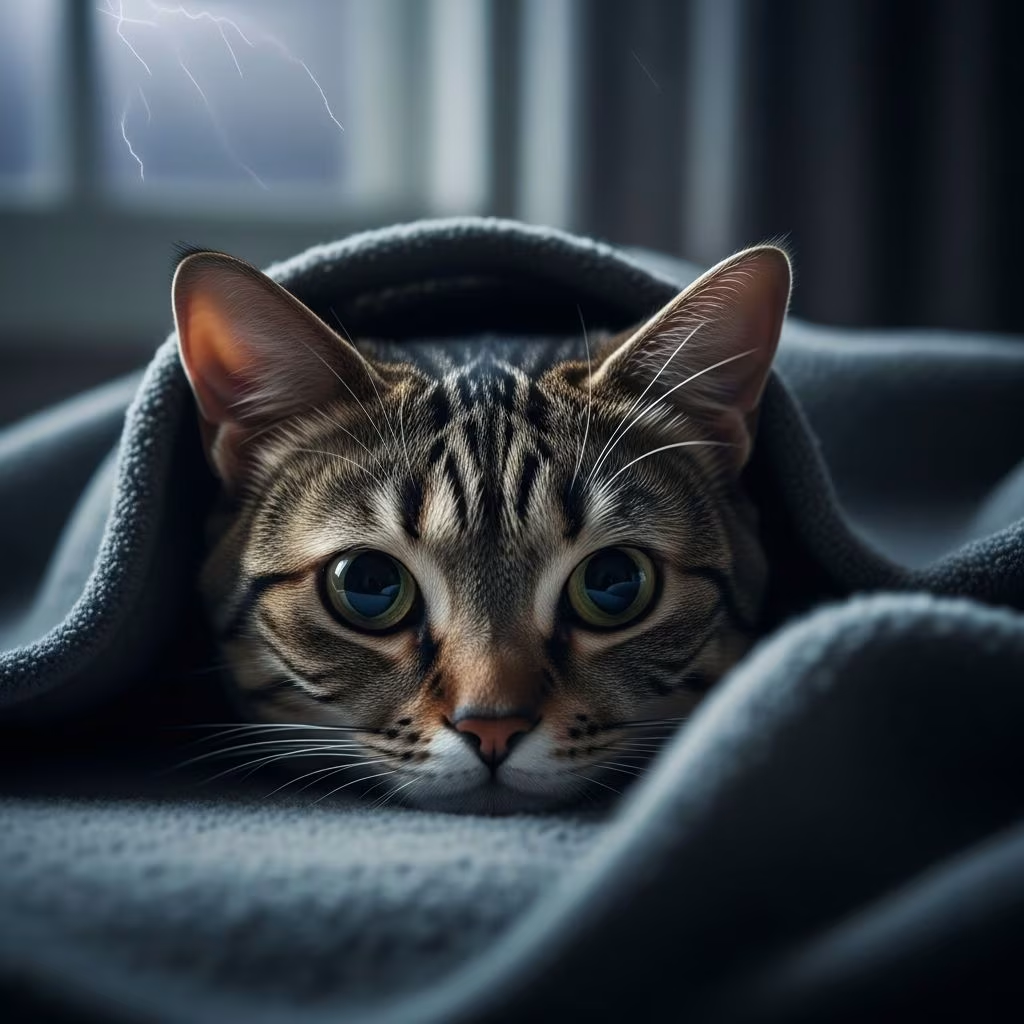
Many cat owners notice their feline companions behave differently when weather patterns change and storms approach. While thunderstorms are a natural phenomenon that most animals experience with some level of caution, certain cats develop heightened anxiety responses that can significantly impact their wellbeing. Understanding the mechanisms behind this anxiety, recognizing behavioral indicators, and implementing appropriate management strategies can help pet owners support their cats during challenging weather conditions.
What Constitutes Storm Anxiety in Felines
Storm anxiety in cats represents an escalated fear response to meteorological events characterized by loud sounds, atmospheric pressure fluctuations, visual disturbances, and environmental changes. Unlike a normal cautious reaction to unfamiliar conditions, true anxiety manifests as excessive, irrational fear that causes the cat distress and behavioral dysfunction. While many cats experience some nervousness during storms, distinguishing between normal caution and pathological anxiety helps owners determine whether intervention is necessary.
The condition exists on a spectrum. Mild manifestations involve the cat seeking shelter and remaining quiet until conditions improve. Severe anxiety, though less common in cats compared to other species, can involve frantic escape attempts, self-injury, and loss of normal behavioral control. Most cats naturally employ avoidance strategies—hiding in secure locations—which generally prevents the development of full-blown phobic responses that might occur with other species.
Physiological and Environmental Triggers
Thunderstorms present multiple sensory challenges that trigger feline anxiety responses. Cats possess hearing capabilities substantially more sensitive than humans, making thunder sound exponentially louder and more distressing. A thunderclap that registers as moderately loud to human ears can feel overwhelming to a cat’s auditory system, triggering instinctive fear responses.
Beyond auditory stimulation, atmospheric conditions during storms create physical sensations cats experience acutely. Barometric pressure drops significantly before and during thunderstorms, and cats detect these subtle changes through sensory mechanisms humans lack. Static electricity accumulates in the air during electrical storms, potentially causing physical discomfort that heightens anxiety. Additionally, lightning creates rapid, disorientating fluctuations between darkness and brightness that can distress animals whose visual processing differs fundamentally from human perception.
Environmental odors that precede rainfall may also trigger stress responses in sensitive cats, adding another sensory dimension to storm-related anxiety.
Recognizing Anxiety Indicators in Your Cat
Storm anxiety manifests through multiple behavioral and physiological signs that attentive owners can observe and document. Recognizing these indicators enables earlier intervention and better support for anxious cats.
Behavioral Signs
- Hiding and Withdrawal: Cats may disappear into closets, under furniture, basements, or other enclosed spaces
- Increased Vocalization: Unusual meowing, yowling, or other vocalizations outside normal patterns
- Restless Movement: Pacing, inability to settle, or continuous repositioning
- Destructive Behavior: Scratching at doors or furniture, chewing, or other damage-causing activities
- Escape Attempts: Bolting toward exits or attempting to breach barriers
- Litter Box Issues: Inappropriate urination or defecation outside normal toilet areas
Physical Manifestations
- Trembling and Shaking: Visible muscle contractions indicating extreme nervousness
- Pupil Dilation: Enlarged pupils reflecting heightened alertness and fear
- Panting and Drooling: Rapid breathing patterns and excessive salivation
- Elevated Heart Rate: Increased cardiovascular activity responding to stress hormones
- Defensive Posturing: In severe cases, raised fur, arched back, bushed tail, hissing, and spitting
Owners should monitor whether these behaviors emerge specifically during or anticipating storms, as this pattern helps differentiate storm-related anxiety from other medical or behavioral conditions.
Risk Factors and Predisposing Conditions
Not all cats develop storm anxiety with equal probability. Certain background factors and life experiences increase vulnerability to anxiety responses during severe weather.
Cats with histories of abuse, neglect, or uncertain origins frequently demonstrate heightened fear responses to unexpected stimuli, including thunderstorms. Early trauma involving confinement or situations where escape wasn’t possible can predispose cats toward developing phobias when encountering similar scenarios later in life. Even cats without obvious traumatic histories may inherit genetic predispositions toward anxiety, making some individuals naturally more reactive to environmental stressors.
Previous negative experiences with storms can condition anxiety responses. A cat that experienced a direct lightning strike near its location, received a static shock, or was injured during a storm may develop lasting associations between storm conditions and danger. These negative reinforcements can create lasting phobic responses.
Professional Diagnosis and Assessment
When cats display potential storm anxiety symptoms, veterinary consultation helps confirm the diagnosis and rule out underlying medical conditions that might present similarly. Veterinarians conduct thorough evaluations including detailed histories of the cat’s behavior, complete physical examinations, and sometimes laboratory testing.
Blood work can reveal physiological responses to stress, including elevated white blood cell counts and increased blood glucose levels—both common stress indicators in anxious cats. These objective measurements help distinguish pathological anxiety from normal behavioral responses and assess the severity of the condition.
Management Strategies for Environmental Adaptation
The most straightforward and often most effective approach to managing storm anxiety involves environmental modification that reduces the cat’s exposure to storm stimuli. Creating a dedicated safe space significantly reduces anxiety in most cats.
Creating a Storm Refuge
Interior rooms such as finished basements, interior bathrooms, or closets naturally provide sound and light dampening that reduces storm stimuli exposure. These spaces should be:
- Located away from windows where lightning visibility and external noise penetration are greatest
- Equipped with the cat’s litter box, water bowl, and familiar bedding or toys
- Made accessible before storms develop so the cat can self-select refuge
- Fitted with white noise sources that mask thunder sounds
- Kept at comfortable temperatures as anxiety causes physiological stress
Allowing cats to retreat to these spaces without forced interaction or removal prevents stress escalation and respects the cat’s natural coping mechanisms.
Behavioral Modification Approaches
Desensitization techniques involve exposing cats to progressively increasing volumes of high-quality recorded storm sounds in non-threatening contexts. This gradual exposure, typically combined with positive reinforcement through treats or play, can reduce the startle response over extended periods. However, this method requires substantial time investment and shows inconsistent results, making it less practical than environmental management for most owners.
Counterconditioning—pairing storm-related stimuli with positive experiences like meals or treats—may help some cats develop new associations with storm conditions, though results vary considerably among individual animals.
Medical and Supplement-Based Interventions
When environmental and behavioral strategies prove insufficient, veterinarians may recommend pharmaceutical or supplemental interventions to reduce anxiety during storm seasons.
Prescription Medications
Several prescription options help manage acute storm anxiety in cats:
- Acepromazine: A sedative medication that reduces anxiety through calming effects
- Gabapentin: Originally developed for pain management but effective at reducing anxiety responses
- Trazodone: An antidepressant with sedating properties useful for storm-related anxiety
These medications work best when administered before storms develop, requiring owners to monitor weather forecasts and administer doses proactively. Veterinarians can help determine appropriate dosing and timing based on individual cat needs.
Over-the-Counter Solutions
Several natural supplements and products offer anxiety reduction without prescription requirements:
- L-Tryptophan Supplements: An amino acid precursor to serotonin that promotes calm and relaxation
- Zylkene: A milk-derived supplement containing calming hydrolyzed casein
- Hemp-Based Products: Contain non-intoxicating cannabinoids that may reduce anxiety
- Colostrum-Containing Treats: Provide immune and stress-management support
These supplements generally work more gradually than pharmaceuticals, making them suitable for long-term anxiety management or cats with mild symptoms. Discussing options with veterinarians ensures appropriate product selection and dosing.
Pheromone Therapy
Synthetic versions of naturally occurring feline pheromones can reduce stress and anxiety. These products, available as sprays, diffusers, or collars, mimic the calming pheromones cats produce from facial glands, creating a sense of security and familiarity in the environment.
Anxiety Wraps
Specially designed wraps apply gentle, consistent pressure similar to swaddling, which can have calming effects during anxiety episodes. These products work for some cats while others find them restrictive, requiring individual assessment before purchase.
Frequently Asked Questions About Feline Storm Anxiety
Is It Normal for Cats to Fear Storms?
Yes, some anxiety or caution during storms represents normal behavior in cats. However, while thunderstorm phobias are more prevalent in dogs, full-blown storm phobias remain relatively uncommon in cats. Many cats simply hide during storms and resume normal activity once conditions improve, which is a reasonable protective response rather than pathological anxiety.
Why Do Cats Hide During Storms?
Hiding represents an instinctive survival strategy that allows cats to minimize exposure to threatening stimuli while feeling secure. This self-preservation behavior is biologically appropriate and generally prevents anxiety from escalating to phobic levels, as the cat successfully removes itself from danger.
Can Storm Anxiety Worsen Over Time?
Yes, research indicates that storm anxiety generally progressively worsens if left unaddressed. Repeated storm exposures may reinforce anxiety responses, making subsequent storms more distressing. Early intervention through environmental management or other strategies can prevent this escalation.
Should I Comfort My Anxious Cat During Storms?
Attempting to comfort a severely anxious cat may inadvertently reinforce anxiety behavior. In severe cases where the cat displays defensive posturing, hissing, or spitting, approaching the cat risks redirected aggression. Allowing the cat to self-select its safe space and remain undisturbed usually provides better outcomes than forced interaction.
Are Certain Cats More Prone to Storm Anxiety?
Cats with traumatic backgrounds, prior negative storm experiences, or genetic predispositions toward anxiety show higher vulnerability. Additionally, cats with previous injuries from storms may develop lasting phobic responses to storm-associated stimuli.
When to Seek Veterinary Guidance
Pet owners should contact veterinarians when storm anxiety symptoms appear new or worsening, when anxiety occurs outside storm periods, when the cat exhibits destructive behavior causing self-injury, or when normal medication-free management proves ineffective. Professional assessment ensures underlying medical conditions aren’t contributing to behavioral changes and helps develop personalized management plans matching the individual cat’s needs and household circumstances.
With patience, appropriate environmental modifications, and when necessary, professional guidance and medical support, owners can significantly reduce their cats’ storm-related suffering and help them navigate severe weather with greater confidence and security.
References
- Why Are Cats Afraid of Thunderstorms? — PetMD. 2025. https://www.petmd.com/cat/conditions/behavioral/c_ct_thunderstorm_phobias
- Thunderstorm Phobia in Cats — PetPlace.com. 2025. https://www.petplace.com/article/cats/pet-behavior-training/thunderstorm-phobia-in-cats
- Thunderstorm Phobias – Symptoms, Causes, Diagnosis, Treatment — Wag Walking. 2025. https://wagwalking.com/cat/condition/thunderstorm-phobias
- Storm Anxiety in Pets — Northwest Animal Hospital. 2025. https://nwveterinarian.com/storm-anxiety-pets/
- Pet Storm Anxiety Help — Metairie Veterinary Clinic. 2025. https://metairievets.com/2025/10/04/pet-storm-anxiety/
- What Can Cause a Scared Cat to Panic — PetCareRx. 2025. https://www.petcarerx.com/article/what-can-cause-a-scared-cat-to-panic/1450



