Store-Bought Fresh Dog Food Guide
Discover the benefits, drawbacks, and top choices for refrigerated fresh dog food available in retail stores to optimize your pet's diet.
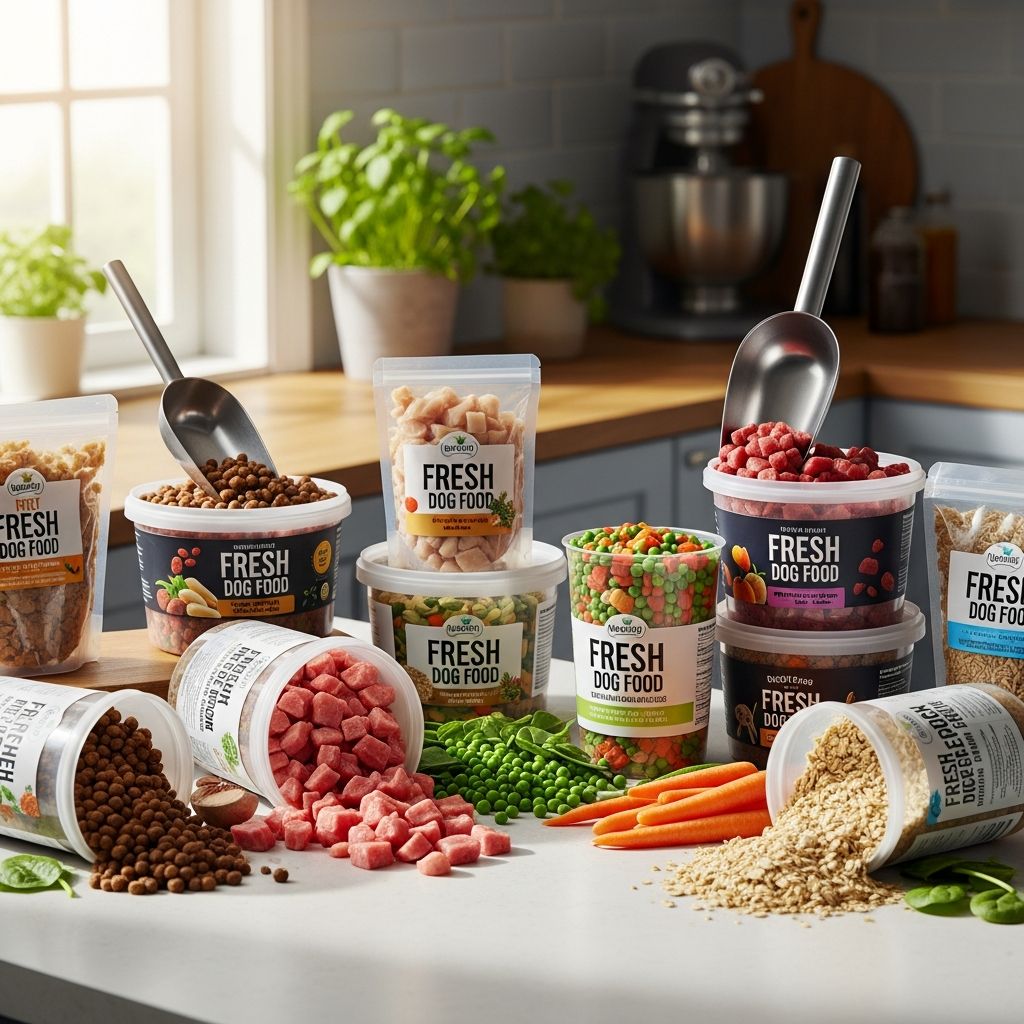
Refrigerated fresh dog food has surged in popularity among pet owners seeking higher-quality nutrition for their canine companions. These products, sold in grocery and pet stores, use human-grade ingredients with minimal processing to deliver meals that mimic home-cooked diets. This guide examines what defines these foods, their nutritional profile, practical considerations, and whether they suit your dog’s needs.
Understanding Refrigerated Fresh Dog Food
Store-bought fresh dog food consists of gently cooked meals made from real meats, vegetables, and grains, packaged in the refrigerated section to preserve freshness. Unlike shelf-stable kibble or canned options, these require cold storage from production to consumption, ensuring nutrient integrity without heavy preservatives.
Key characteristics include human-grade sourcing, lower cooking temperatures to retain enzymes and vitamins, and portioned servings for convenience. Brands formulate recipes for different life stages, sizes, and health concerns, often complete and balanced per AAFCO standards when labeled appropriately.
Nutritional Advantages Over Traditional Diets
Fresh refrigerated dog food stands out for its digestibility and palatability. Dogs often show improved stool quality, shinier coats, and higher energy levels due to easily absorbed nutrients. The minimal processing preserves natural probiotics and antioxidants absent in high-heat kibble production.
For picky eaters or those with allergies, the appealing aroma and texture encourage consumption, potentially reducing digestive upset. Preliminary evidence suggests long-term benefits like reduced inflammation, though veterinary studies remain limited.
| Nutrient Aspect | Fresh Refrigerated | Kibble/Canned |
|---|---|---|
| Digestibility | High (90%+ absorption) | Moderate (70-85%) |
| Nutrient Retention | Excellent (low-heat cook) | Variable (high-heat extrusion) |
| Palatability | Very High | Moderate |
| Additives | Minimal | Often includes preservatives/fillers |
This table highlights core differences, with fresh options prioritizing bioavailability.
Potential Health Benefits for Specific Dogs
- Sensitive Stomachs: Easier digestion minimizes gas and loose stools.
- Allergies: Fewer common triggers like grains or by-products.
- Senior Dogs: Joint-supporting ingredients like glucosamine in some formulas.
- Active Pups: Higher protein from fresh meats boosts muscle maintenance.
Owners report visible improvements in skin, coat, and vitality within weeks of switching. However, these are anecdotal; consult vets for medical conditions.
Storage and Handling Essentials
Refrigerated fresh dog food demands strict cold chain management. Keep unopened packages at 35-40°F in the fridge, consuming within 7-14 days of opening depending on the brand. Freeze extras at 0°F or below for up to 3 months, thawing in the refrigerator overnight.
Avoid room temperature exposure beyond 2 hours to prevent bacterial growth. This contrasts with canned food’s shelf stability or kibble’s pantry convenience. Proper handling mitigates risks for vulnerable dogs like puppies or seniors.
Cost Analysis and Budget Impact
Expect to pay 2-5 times more than kibble, with daily costs ranging $3-8 per medium dog versus $1-2 for dry food. Factors include premium ingredients and refrigeration logistics. Subscription models or bulk buys can lower per-meal prices, but compare total annual spend before committing.
For budget-conscious owners, mix with kibble (25% fresh) to balance nutrition and expense.
Safety Concerns and Bacterial Risks
Lower cooking temperatures raise potential for pathogens like Salmonella, though commercial testing minimizes this. Not ideal for immunocompromised pets; stick to sterilized kibble/canned for them. FDA monitors recalls, so check labels and sites regularly.
Nutritional completeness varies; unbalanced formulas risk deficiencies, especially for kidney or heart cases needing precise ratios. Always verify AAFCO statements and vet approval.
Comparing to Kibble and Canned Alternatives
Kibble offers affordability, dental benefits, and longevity but often includes fillers. Canned provides moisture and flavor with longer unopened shelf life, yet higher processing. Fresh excels in quality but lags in convenience.
- Best for Convenience: Kibble
- Best for Moisture: Canned
- Best for Nutrition: Fresh (when balanced)
Transitioning Your Dog to Fresh Meals
Gradual shifts prevent tummy troubles: mix 25% fresh with current food, increasing over 7-10 days. Monitor for diarrhea or refusal. Hydrate well during changes.
Top Brands in Refrigerated Sections
Popular store options include those using turkey, beef, or chicken bases with veggies. Look for transparent sourcing and third-party testing. Examples emphasize variety packs for trials.
Environmental and Sustainability Factors
Fresh food’s packaging and transport increase carbon footprint versus kibble’s efficiency. Opt for brands with eco-friendly practices like recyclable trays.
Frequently Asked Questions
Is refrigerated fresh dog food complete nutrition?
Reputable brands meet AAFCO standards; check labels.
Can I feed fresh food exclusively?
Yes, if balanced, but vet consultation recommended for health issues.
How long does opened fresh dog food last?
Typically 5-7 days refrigerated; freeze portions.
Is it safe for puppies?
Select puppy-specific formulas; avoid if high bacterial risk.
Does it help with weight loss?
Portion control aids management; higher satiety from protein.
Choosing the Right Fresh Food for Your Dog
Assess your dog’s age, activity, health, and your budget/lifestyle. Trial small packs, track responses, and consult professionals. Fresh refrigerated food elevates diets when managed well, promoting vitality through superior ingredients.
References
- The Pros and Cons of Fresh Dog Food — PetMD, Hannah Hart, DVM. 2023. https://www.petmd.com/dog/nutrition/pros-and-cons-fresh-dog-food
- Canned Dog Food vs. Fresh Dog Food — A Pup Above. 2023. https://apupabove.com/blogs/all/canned-dog-food-vs-fresh-dog-food
- Fresh vs Raw Dog Food — Years.com. 2023. https://www.years.com/blogs/advice/fresh-vs-raw-dog-food
- Fresh Pet Dog Food vs. Traditional: Key Benefits and Drawbacks — Adventure Den. 2023. https://www.adventureden.ca/fresh-pet-dog-food-vs-traditional-key-benefits-and-drawbacks/
- What Is Fresh Dog Food? — Chewy. 2023. https://www.chewy.com/education/dog/food-and-nutrition/fresh-dog-food
- Commercial Fresh Pet Food Diets — Today’s Veterinary Practice. 2023. https://todaysveterinarypractice.com/nutrition/commercial-fresh-pet-food-diets/
Similar Articles








Read full bio of medha deb