

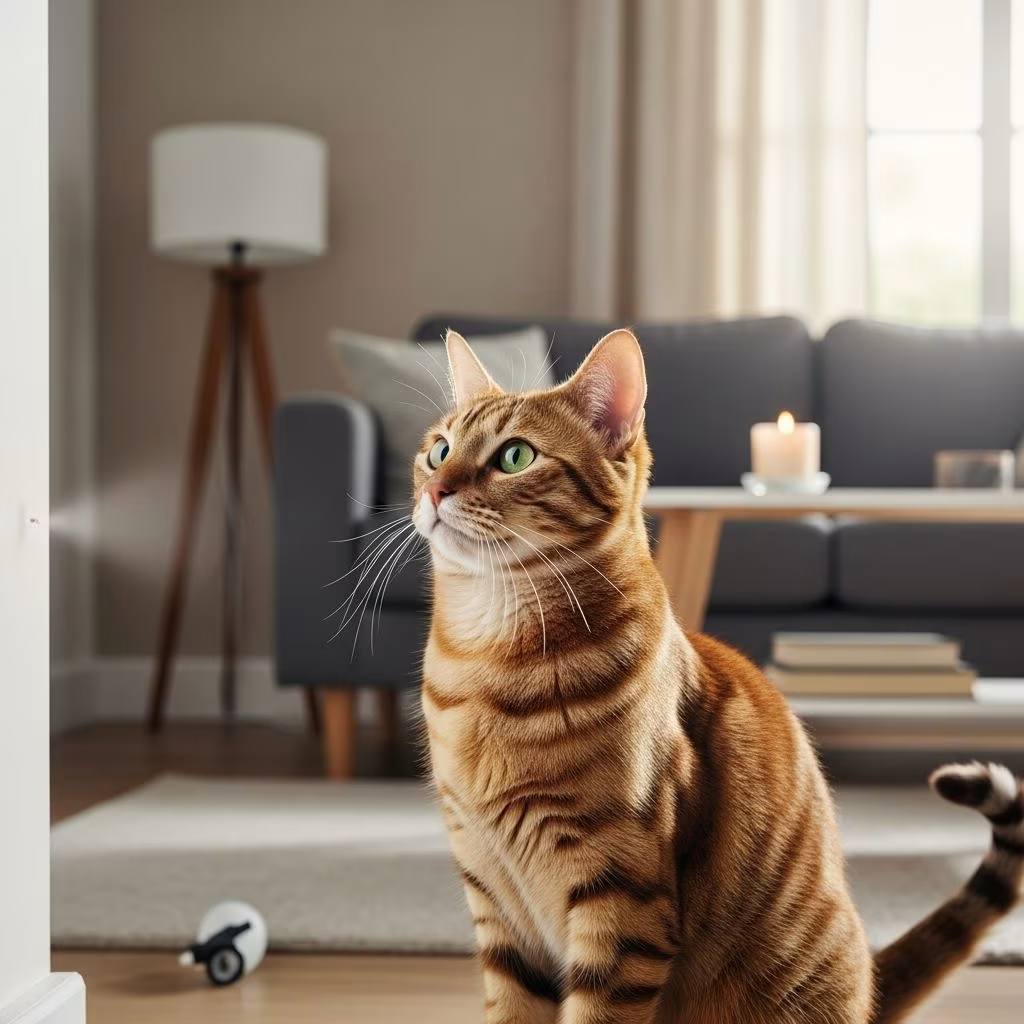
Female cats spraying urine is a common yet frustrating behavior that signals underlying issues like stress, health problems, or territorial needs. Unlike regular urination, spraying involves backing up to vertical surfaces and releasing a small amount of urine, often with a quivering tail. Both intact and spayed females can exhibit this, though it’s less frequent post-spay. Addressing it requires a multi-step approach starting with veterinary evaluation and environmental adjustments.
Recognizing Spraying vs. Inappropriate Urination
Distinguishing spraying from litter box avoidance is crucial for effective intervention. Spraying typically occurs on walls, furniture, or doors in a standing position, leaving a fine mist rather than puddles. In contrast, inappropriate urination involves squatting and larger volumes on horizontal surfaces. Females may spray during heat cycles if unspayed, but stress from household changes can trigger it in any cat. Observing patterns—such as timing near windows or new stressors—helps pinpoint causes.
Primary Causes of Spraying in Female Cats
Several factors drive this behavior, often overlapping. Territorial disputes arise when indoor females sense outdoor cats through windows, prompting them to mark boundaries. Household stress from moves, new pets, or routine shifts heightens anxiety, leading to spraying as a coping mechanism. Medical issues like urinary tract infections (UTIs) or cystitis mimic or exacerbate it, while intact females spray to signal mates during estrus.
- Territorial Communication: Cats claim space via pheromones in urine, deterring rivals.
- Stress and Anxiety: Environmental upheavals disrupt security, triggering marking.
- Hormonal Influences: Unspayed females intensify spraying in heat.
- Health Conditions: Inflammation or infections cause discomfort, altering elimination habits.
Step-by-Step Veterinary and Medical Interventions
Begin with a vet visit to exclude health problems. Expect urinalysis and bloodwork to detect UTIs, kidney issues, or diabetes, which can cause spraying-like symptoms. Early detection prevents escalation; for instance, antibiotics resolve infections quickly.
Spaying is highly effective, reducing spraying in 90% of females by eliminating heat-driven urges. Even post-spay cases often improve, though remnants like ovarian tissue may require further surgery. Discuss low-cost options via resources like SpayUSA if needed.
| Condition | Symptoms | Treatment |
|---|---|---|
| UTI/Cystitis | Frequent small voids, straining | Antibiotics, diet change |
| Hormonal (Intact) | Heat behaviors, vocalizing | Spaying |
| Stress-Induced | Sudden onset post-change | Environmental mods, pheromones |
Environmental Modifications to Deter Spraying
Alter your home to reduce triggers. Block window views of outdoor cats with curtains or double-sided tape on sills. Provide ample resources: one litter box per cat plus one extra, placed in quiet, accessible spots. Experiment with litter types—unscented clumping is preferred by most.
Increase vertical space with cat trees and shelves for safe perches, minimizing territorial conflicts. For multi-cat homes, separate feeding and resting areas to prevent competition. Motion-activated air sprays or water deterrents outside repel neighborhood cats effectively.
- Install cat-proof blinds to obscure outdoor threats.
- Add elevated platforms for security.
- Use scent deterrents like citrus peels or coffee grounds in yards.
Cleaning Strategies for Marked Areas
Thorough cleaning eliminates attractants. Avoid ammonia cleaners, as they mimic urine smells. Opt for enzymatic cleaners like Nature’s Miracle that break down proteins. For fabrics, use biological detergents followed by surgical spirit sprays, testing small areas first.
Place food bowls or toys over cleaned spots—cats rarely mark near eating areas. For persistent sites, rubbing a cloth on your cat’s cheeks (gland area) and wiping surfaces transfers familiar scents, discouraging remarking.
Stress Reduction Techniques and Products
Pheromone therapy mimics calming facial scents. Feliway diffusers or sprays in sprayed zones reduce anxiety significantly. Supplements like Zylkene (milk protein-based) or Prozac analogs calm severe cases; consult vets for prescriptions.
Enrich daily life with play sessions using wand toys to burn energy and build confidence. Maintain consistent routines for feeding and litter scooping. Track incidents in a log: date, location, preceding events—to measure progress and adjust tactics.
Handling Multi-Cat Households
Tension between cats amplifies spraying. Introduce new cats gradually via scent swapping before visual contact. Ensure equal resources and monitor interactions. If bullying occurs, separate temporarily and reintroduce slowly. Pheromone products in shared spaces foster harmony.
Long-Term Prevention Tips
Consistency is key. Regular vet check-ups catch issues early. Keep cats indoors to avoid external stressors. Annual spay/neuter confirmations ensure no residual hormones. Reward litter use with treats to reinforce good habits—never punish spraying, as it worsens fear.
Frequently Asked Questions (FAQs)
Will my spayed female cat still spray?
Most stop post-spay, but 5-10% continue due to habit or stress. Combine with other strategies for best results.
How long does it take to stop spraying?
Improvements appear in days with cleaning and pheromones; full resolution may take weeks with comprehensive changes.
Is spraying a sign of illness?
Always rule out medical causes first via vet exam—UTIs are common culprits.
Can diet affect spraying?
Urinary health diets reduce crystal formation, indirectly helping stress-related cases.
What if nothing works?
Consult a veterinary behaviorist for advanced meds or consultations.
Implementing these steps holistically restores peace. Patience and observation yield the best outcomes, turning a challenging issue into manageable behavior.
References
- Cat Spraying: Why Cats Do It and How to Stop It — PetMD, Christina Hawkins, DVM. 2023. https://www.petmd.com/cat/general-health/cat-spraying-why-cats-do-it-and-how-to-stop-it
- Stop Cat Spraying in House — Best Friends Animal Society. 2024. https://bestfriends.org/pet-care-resources/why-my-cat-spraying-house-and-how-do-i-stop-it
- Cat Behavior Problems – Marking and Spraying Behavior — VCA Animal Hospitals. 2023. https://vcahospitals.com/know-your-pet/cat-behavior-problems-marking-and-spraying-behavior
- Stop your Cat Spraying or Soiling in the House — Blue Cross. 2024. https://www.bluecross.org.uk/advice/cat/behaviour-and-training/stop-your-cat-spraying-and-soiling-in-the-house
- Cat Spraying: Why Cats Do It and How to Stop It — PetMD (primary vet source). 2023. https://www.petmd.com/cat/general-health/cat-spraying-why-cats-do-it-and-how-to-stop-it



