

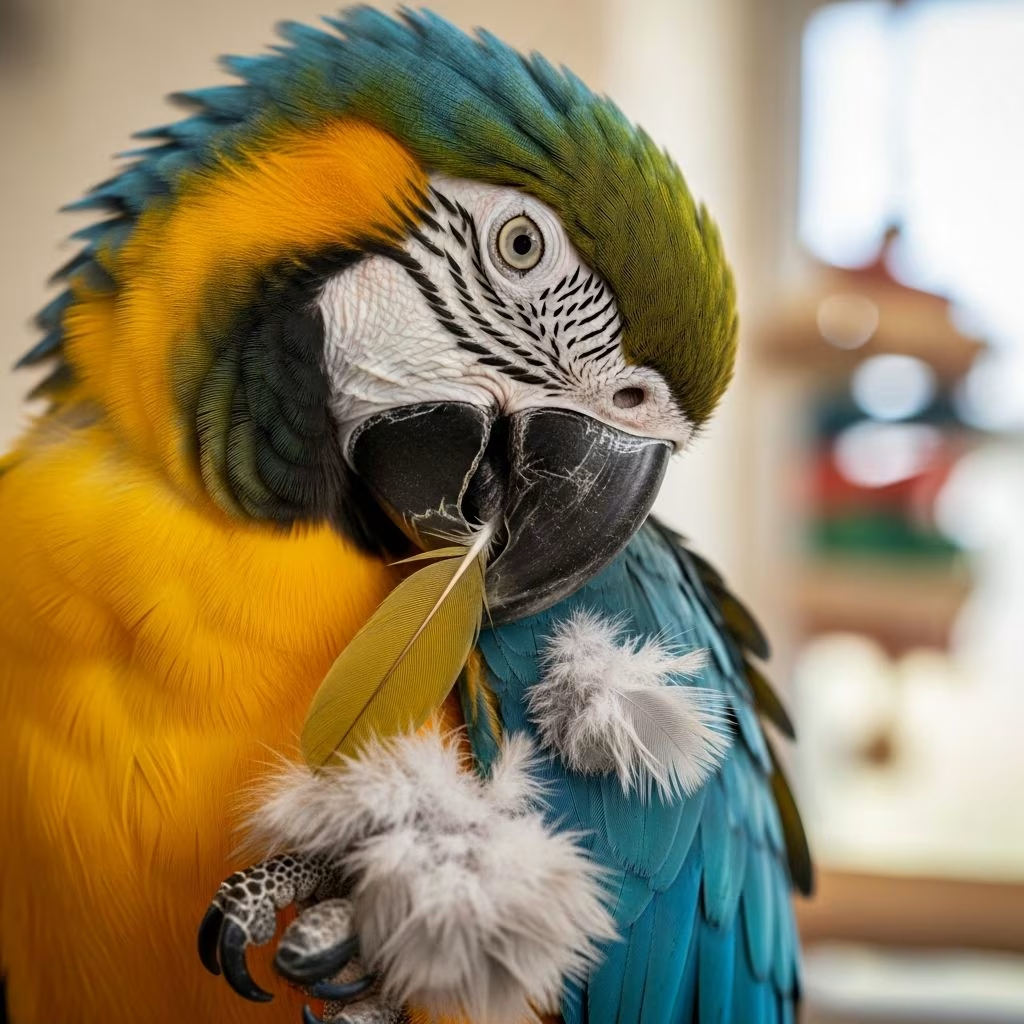
Feather plucking, a common issue among pet birds like parrots, cockatiels, and conures, involves birds excessively pulling out or damaging their own feathers. This behavior signals underlying problems that require prompt attention to restore the bird’s health and appearance. Addressing it involves a multi-faceted approach combining veterinary diagnosis, dietary adjustments, environmental enhancements, and behavioral interventions.
Understanding the Behavior: What Drives Birds to Pluck
Pet birds may start plucking due to discomfort, stress, or unmet needs. Unlike normal preening, which maintains feather condition, plucking leads to bald patches, skin irritation, and potential infections. Early recognition of signs—such as targeted feather loss on chest, wings, or legs—allows owners to intervene effectively.
- Observe patterns: Plucking often focuses on accessible areas like the breast or under wings.
- Monitor progression: Initial over-preening can escalate to severe mutilation if ignored.
- Track triggers: Note changes in diet, environment, or routine coinciding with onset.
Primary Medical Contributors to Feather Damage
Health issues frequently underlie plucking, making a veterinary exam essential. Avian specialists use diagnostics like blood tests, skin scrapes, and imaging to pinpoint problems. Common medical causes include:
| Condition | Symptoms | Treatment Approach |
|---|---|---|
| Skin infections (bacterial/fungal) | Redness, itching, discharge | Antibiotics or antifungals prescribed by vet |
| Parasites (e.g., mites, ringworm) | Intense itching, feather loss | Topical or oral antiparasitics |
| Allergies or dry skin | Flaky skin, low humidity effects | Humidifiers, hypoallergenic diet trials |
| Internal diseases (liver, kidney) | Lethargy, appetite loss | Organ-specific medications, supportive care |
| Heavy metal poisoning (zinc) | Neurological signs, GI upset | Chelation therapy, safe toys only |
Treating these resolves plucking in many cases, as discomfort drives the habit. Regular check-ups prevent recurrence, especially for older birds or those with chronic conditions.
Nutritional Shortfalls and Their Impact
A subpar diet deprives birds of vital nutrients needed for feather integrity and skin health. Species-specific requirements vary; seed-only diets common in captivity lack vitamins A, D, and E, leading to weak feathers and plucking.
- Prioritize pelleted foods: High-quality, formulated pellets meet 80-90% of needs for most parrots.
- Incorporate fresh produce: Leafy greens, fruits, and veggies provide antioxidants and hydration.
- Avoid excesses: Too much seed causes obesity and deficiencies; balance is key.
Owners should transition gradually to prevent digestive upset. Supplements like calcium or omega-3s may help under vet guidance, particularly during molting when feather growth peaks.
Environmental Factors Fueling the Problem
The home setup profoundly affects bird well-being. Poor conditions mimic wild stressors, prompting self-destructive behaviors.
Air Quality Concerns: Toxins from household products irritate sensitive respiratory systems. Scented candles, incense, aerosol sprays, air fresheners, and non-stick pan fumes (Teflon) deposit chemicals on feathers, causing itchiness. Smoke from cigarettes or vaping exacerbates this, prompting over-preening.
Humidity and Lighting: Low humidity dries skin, especially indoors. Aim for 40-60% with misting or humidifiers. Natural sunlight or full-spectrum lights boost vitamin D, enhancing feather vibrancy. Outdoor time in safe enclosures allows wind to remove dander.
Cage Design: Oversized cages with perches at varying heights, grates for waste separation, and safe aviaries promote movement. Avoid cramped spaces that induce frustration.
Behavioral and Psychological Triggers
Boredom and stress manifest as compulsive plucking, akin to human nail-biting. Lonely or understimulated birds redirect energy destructively.
- Social isolation: Birds crave interaction; limited human or bird contact heightens anxiety.
- Hormonal surges: Sexual frustration in breeding season prompts mate-directed behaviors like plucking.
- Routine disruptions: Inconsistent schedules create insecurity.
Enrichment counters this: Rotate toys weekly, including foraging puzzles, chewable branches, and shreddables. Training sessions with positive reinforcement build confidence.
Step-by-Step Prevention Blueprint
Proactive care minimizes risks. Implement these strategies daily:
- Vet Partnership: Annual exams with fecal, blood, and feather analysis.
- Diet Optimization: 70% pellets, 20% veggies, 10% fruits/seeds; fresh water always.
- Daily Enrichment: 2-4 hours out-of-cage time, new toys, flight space.
- Bathing Routine: Mist 3-5 times weekly to encourage natural grooming.
- Sleep Hygiene: 10-12 hours in dark, quiet area; sleep cages help.
- Toxin Elimination: Bird-safe home— no scents, smoke, or unsafe metals.
Track progress in a journal, noting improvements in feather regrowth (4-6 weeks typical).
Effective Interventions During Active Plucking
When plucking occurs, act swiftly without punishment, which worsens stress.
- Protective Gear: Supervised collars, vests, or shirts cover plucked areas, allowing regrowth.
- Distraction Techniques: Introduce novel foods/toys during peak times.
- Environmental Audit: Relocate cage to calmer spot, add window views or music.
- Professional Help: Behavioral consults or meds for severe cases (e.g., anxiety reducers).
Feather regrowth demands patience; scarred follicles may not fully recover, but stopping the cycle prevents worsening.
Species-Specific Considerations
Different birds have unique needs:
| Bird Type | Common Triggers | Tailored Tips |
|---|---|---|
| African Greys | Stress, zinc poisoning | Extra calcium, puzzle toys |
| Cockatoos | Hormonal, boredom | Breeding-season isolation, wood chews |
| Conures | Diet, allergies | Pellet-heavy diet, misting baths |
| Budgies | Overcrowding, mites | Large flights, parasite checks |
Long-Term Monitoring and Success Stories
Consistent application yields results. Many owners report full recovery after addressing root causes like diet shifts or toxin removal. Regular vet follow-ups ensure sustained health, reducing relapse risks.
Frequently Asked Questions
Is feather plucking always a sign of illness?
No, it can stem from behavioral or environmental issues, but rule out medical causes first with a vet visit.
How long does regrowth take?
Typically 4-8 weeks per feather cycle, depending on health and molting stage.
Can I use collars permanently?
No, only short-term under supervision; focus on eliminating causes for lasting fixes.
What if my bird plucks despite changes?
Consult an avian behaviorist for advanced therapies like training or medication.
Are supplements safe?
Only vet-recommended; excesses harm more than help.
References
- Feather Picking in Pet Birds: Causes, Treatment, and How to Prevent It — Revival Animal Health. 2023. https://www.revivalanimal.com/learning-center/feather-picking-in-pet-birds
- Feather Plucking and Chewing: How to Help & Prevent it — BirdTricks. 2022. https://birdtricksstore.com/blogs/parrot-care-blog/feather-plucking-and-chewing-how-to-help-amp-prevent-it
- Bird Feather Plucking — PetMD. 2024. https://www.petmd.com/bird/conditions/skin/bird-feather-plucking
- Feather Plucking – What Is It And How To Stop It? — Northern Parrots. 2023. https://www.northernparrots.com/blog/feather-plucking/
- Why Is My Bird Plucking Its Feathers? — Bird Exotic Vet. 2024. https://www.birdexoticsvet.com/post/bird-feather-plucking



