

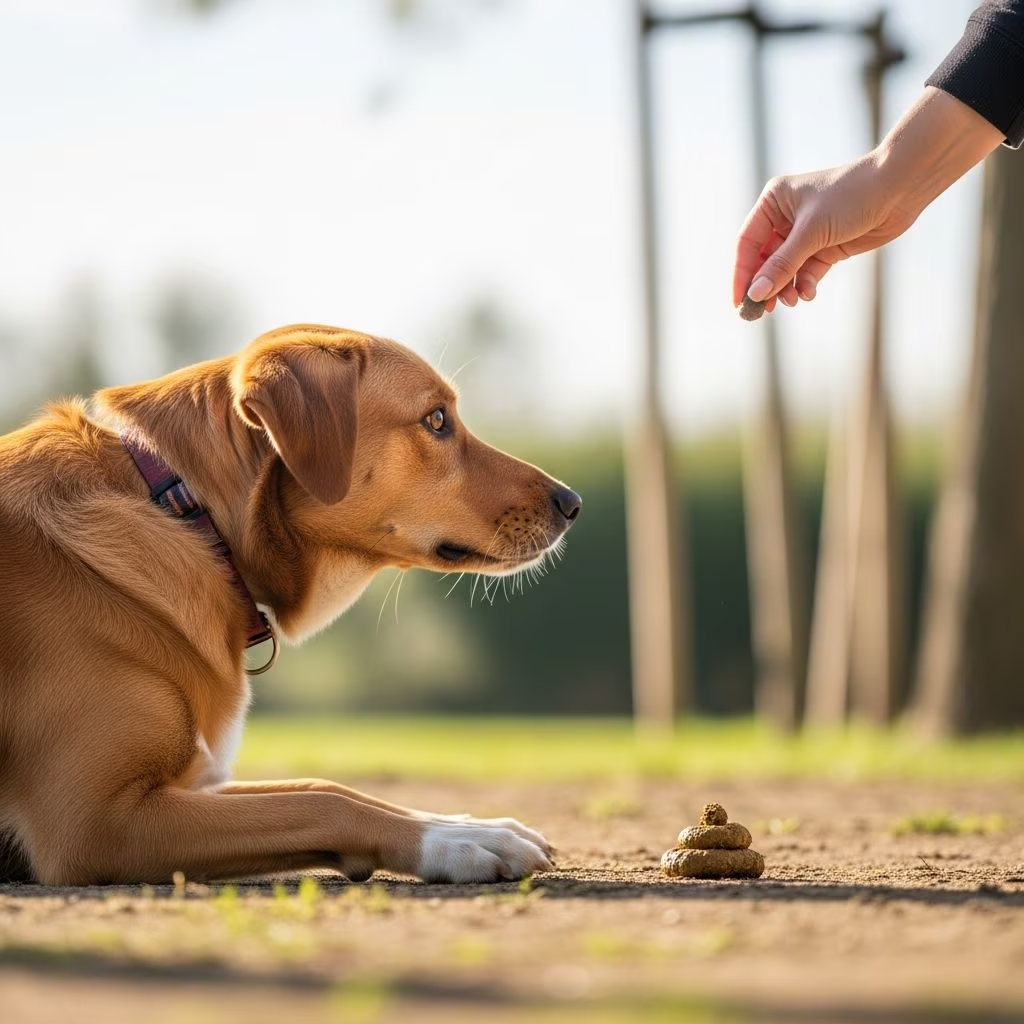
Coprophagia, the technical term for dogs eating feces, is a common yet distressing behavior observed in both puppies and adult dogs. Affecting up to 24% of dogs at least once and 16% as frequent offenders, this habit can stem from instinctual drives, health concerns, or environmental factors. Understanding the underlying reasons is the first step toward resolution, allowing pet owners to implement targeted interventions that promote better habits and overall well-being.
Unraveling the Instinctual Roots of Poop-Eating
From an evolutionary standpoint, coprophagia served a protective purpose for wild canids. Ancestral dogs consumed feces to safeguard pack members from intestinal parasites that might contaminate shared den areas. This innate predisposition persists in modern pets, explaining why some dogs instinctively seek out stool shortly after elimination.
Puppies often exhibit this behavior during exploratory phases, mimicking their mother’s den-cleaning actions to maintain hygiene. While most outgrow it, persistent cases may indicate deeper issues requiring intervention. Adult dogs might engage in it due to curiosity or as a remnant of survival tactics, especially if exposed to multi-dog households or outdoor environments abundant in animal waste.
Medical Factors Driving Fecal Consumption
Health-related causes must be ruled out first, as they directly influence a dog’s appetite for stool. Conditions impairing nutrient absorption, such as parasites, digestive enzyme deficiencies, or diseases like diabetes, Cushing’s, and thyroid disorders, can make feces appealing due to undigested remnants.
Medications, particularly steroids, heighten hunger and may trigger the behavior. Malnutrition from underfeeding, poor diet quality, or gastrointestinal upset further contributes. Veterinary assessment, including fecal exams and bloodwork, is essential to identify and treat these issues.
| Common Medical Causes | Symptoms | Potential Fixes |
|---|---|---|
| Parasites | Weight loss, diarrhea | Deworming treatment |
| Enzyme Deficiency | Poor coat, lethargy | Enzyme supplements |
| Endocrine Diseases | Increased thirst, appetite | Medication adjustment |
| Nutrient Malabsorption | Undigested food in stool | Diet change |
Nutritional Imbalances and Dietary Solutions
A longstanding theory links coprophagia to dietary shortcomings, particularly deficiencies in B-vitamins like thiamine, synthesized by fecal microbes. Modern dog foods, often carb-heavy compared to ancestral meat-based diets, may fail to meet digestive needs fully.
Switching to highly digestible, high-fiber formulas enhances nutrient uptake and stool quality, reducing appeal. Probiotics balance gut bacteria, alleviating inflammation that might prompt eating, while digestive enzymes like papain aid protein breakdown. Consult a vet before supplementing to avoid over-correction.
- High-Quality Protein Diets: Prioritize meat-based kibble for better absorption.
- Fiber Boosters: Add pumpkin or fiber supplements to firm stools.
- Multivitamins: Target B-vitamins if deficiency confirmed via testing.
Behavioral Triggers and Environmental Influences
Non-medical coprophagia often arises from behavioral cues. Boredom prompts scavenging in understimulated dogs, while anxiety from routine changes, new pets, or isolation leads to self-soothing via feces consumption.
Attention-seeking reinforces the habit if reactions—positive or negative—follow. Hunger from inadequate feeding or sudden activity spikes also plays a role. In multi-pet homes, dogs may target cat litter or others’ waste for novelty or nutrients.
Practical Prevention Strategies for Everyday Management
Immediate cleanup denies access: Scoop yards promptly and secure litter boxes. Supervise outdoor time, using leashes for walks to interrupt sniffing. Train a reliable “leave it” command with clicker and high-value treats to redirect focus post-elimination.
- Walk dog on leash during training sessions.
- Command “leave it” upon spotting stool.
- Reward compliance lavishly to build association.
- Gradually phase out treats for reliability.
For stubborn cases, coprophagic deterrents alter stool taste unappealingly, though efficacy varies. Combine with positive reinforcement for best results.
Training Protocols to Break the Cycle
Structured training transforms management into lasting change. Begin with basic obedience: A solid recall ensures dogs return for rewards instead of indulging. Use treat pouches during walks, rewarding immediately after potty breaks.
Address root behaviors: Enrich environments with puzzle toys to combat boredom, and desensitize anxiety triggers via gradual exposure. Consistency across family members prevents mixed signals that perpetuate the habit.
When to Seek Professional Veterinary Guidance
Sudden onset in adults, accompanying symptoms like vomiting or weight loss, or failure of home strategies warrant vet visits. Routine checkups rule out parasites or deficiencies proactively. Specialists in behavior may recommend advanced interventions if needed.
Case Studies: Real-World Success Stories
Consider a young Labrador with sudden coprophagia: Vet tests revealed worms; deworming and probiotic addition resolved it within weeks. An anxious senior Beagle improved via increased playtime and anxiety wraps, eliminating stress-induced episodes. These highlight multifaceted approaches’ power.
FAQs on Coprophagia in Dogs
Is coprophagia normal in puppies?
Yes, exploratory mouthing is common, but discourage early to prevent habits. Most cease by 6-9 months.
Can diet alone stop my dog from eating poop?
It addresses nutritional causes effectively but pair with training for behavioral cases.
Why do dogs prefer other animals’ poop?
Different diets make it novel or nutrient-rich; prevent access rigorously.
Are supplements safe for long-term use?
Vet-approved ones are, but monitor for side effects and re-evaluate periodically.
How long until training works?
Weeks to months with consistency; patience yields results.
Long-Term Maintenance for a Poop-Free Lifestyle
Sustain progress through ongoing vigilance: Annual wellness exams catch issues early, varied routines prevent boredom, and balanced nutrition supports health. Celebrate milestones to reinforce positive changes, fostering a hygienic bond with your pet.
This comprehensive approach, blending medical insight, dietary tweaks, and behavioral training, empowers owners to conquer coprophagia effectively.
References
- Why Do Dogs Eat Their Own Poo — Vetwest Veterinary Clinics. 2023. https://www.vetwest.com.au/pet-library/why-do-dogs-eat-their-own-poo/
- Why Dogs Eat Poop And How To Stop It — American Kennel Club. 2023-10-17. https://www.akc.org/expert-advice/health/why-dogs-eat-poop/
- Why Do Dogs Eat Poop? — PetMD. 2024. https://www.petmd.com/dog/behavior/why-do-dogs-eat-poop
- Why Does My Dog Eat Their Own Poop? — Partners Animal Hospital West Loop. 2023. https://partnersvetwl.com/?p=4887
- Why do dogs eat poo? — PDSA. 2024. https://www.pdsa.org.uk/pet-help-and-advice/pet-health-hub/conditions/coprophagia-in-dogs-dogs-eating-poo



