

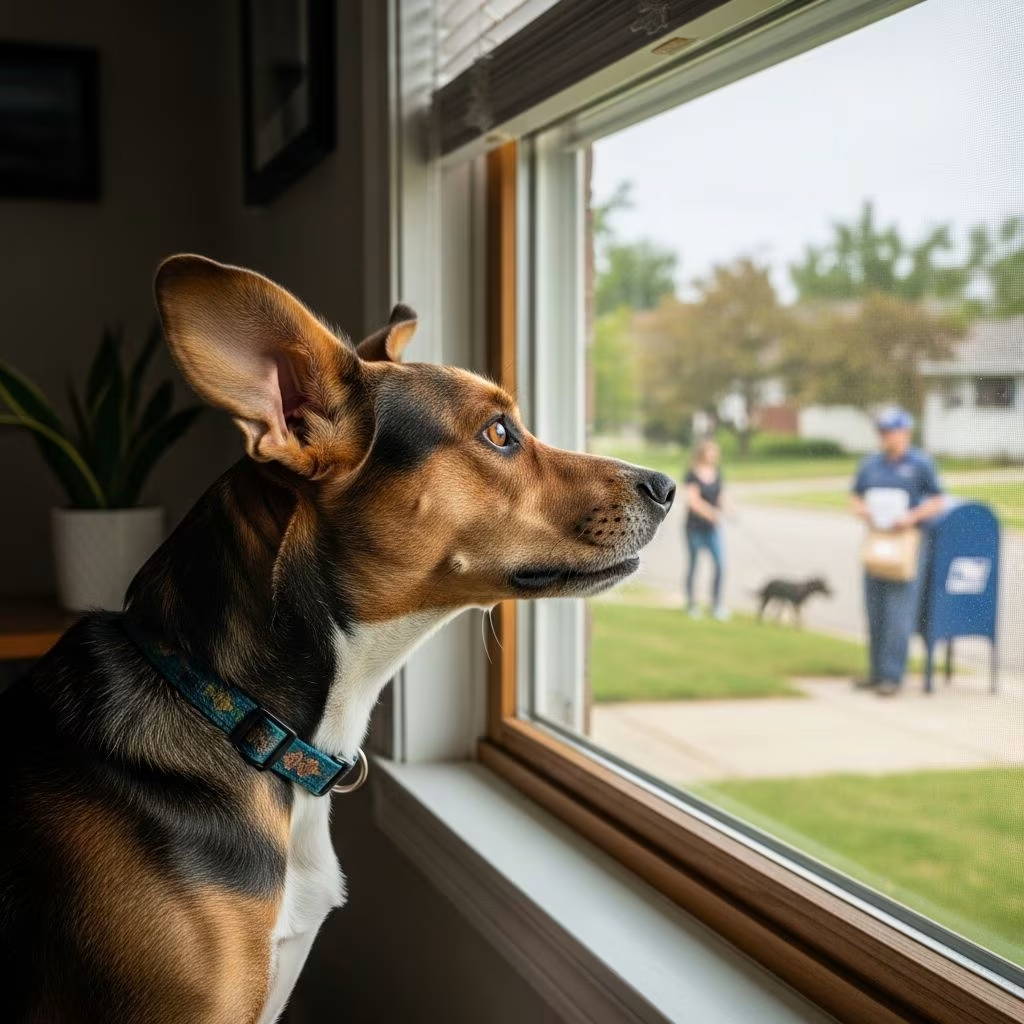
Window barking occurs when dogs react to sights and sounds outside, such as passersby or vehicles, leading to frequent disruptions. This behavior stems from natural instincts like territorial protection or alerting, but it can be managed through environmental changes and consistent training.
Understanding Why Dogs Bark at Windows
Dogs bark at windows primarily due to **barrier reactivity**, where the physical separation from the window amplifies their response to external stimuli. They perceive threats that aren’t truly dangerous, rehearsing aggressive displays that reinforce the habit. Unlike open-space encounters, the barrier creates a false sense of safety, encouraging louder vocalizations.
Alert barking serves to notify owners of potential intruders, but without intervention, it escalates into frustration-driven noise. Breeds like terriers or herding dogs are prone due to high energy and vigilance. Recognizing these triggers—motion, strangers, or other animals—is the first step to addressing the issue effectively.
Immediate Management Solutions
Before training, block visual access to prevent practice of the behavior. Simple adjustments reduce incidents dramatically without restricting light or space.
- Frosted window film: Apply static cling or adhesive films to obscure views while allowing daylight. Test with wax paper first for opacity levels.
- Curtains and blinds: Close during high-traffic times, though some dogs may chew them—monitor closely.
- Furniture barriers: Reposition couches or shelves to limit window access.
- Room restrictions: Gate off problem areas or use baby gates during absences.
For car travel, crate small dogs and cover with a sheet, or provide frozen stuffed toys like Kongs in hammocks for larger ones. These tactics lower reactivity frequency, buying time for training.
Building a Calm Alternative Routine
Teach your dog a **designated relaxation zone** away from windows to redirect focus. Select a mat, bed, or crate in a quiet spot and associate it with rewards.
- Place high-value treats on the spot randomly to encourage voluntary visits.
- Reward calm postures—lying down or settling—especially when distant noises occur.
- Gradually increase distance from windows, using treat jars house-wide for instant reinforcement.
This creates a positive habit, reducing window fixation over time. Consistency is key; reward before barking initiates.
Desensitization and Counterconditioning Techniques
Change your dog’s emotional response to triggers through gradual exposure paired with rewards. Start below threshold levels where barking doesn’t occur.
| Step | Description | Tips |
|---|---|---|
| 1. Identify Threshold | Observe distance or stimulus intensity where dog remains calm. | Use low-volume recordings of street noises via speaker. |
| 2. Pair with Rewards | Mark (e.g., “yes!”) and treat when dog glances at trigger then back to you. | Repeat for each sighting; progress to closer proximity. |
| 3. Add Engagement | Introduce toys or food puzzles as distractions during exposures. | Snuffle mats work well with noise cues. |
| 4. Generalize | Practice with real passersby cued by friends or family. | Maintain sub-threshold; reward disengagement. |
Counterconditioning builds positive associations, turning triggers into cues for treats. Progress slowly to avoid setbacks.
Recall and Interruption Strategies
Train a rock-solid recall to pull dogs away pre-bark. Begin in low-distraction settings.
- Call randomly when calm, rewarding heavily (food, play, praise).
- Extend to window approaches without barking.
- For active barking, approach with closed-fist treats under nose to interrupt, then toss away from window.
Use a marker word like “good” for precise timing. Hand targeting refines this, ensuring dogs respond reliably.
Addressing Alert Barking Specifically
Reinforce brief alerts positively: Thank the dog immediately after the first bark with calm praise or a treat, then redirect. This acknowledges their job without prolonging sessions. Combine with background music near doors to mask external sounds. Post signs requesting texts over knocks for visitors.
Advanced Troubleshooting for Stubborn Cases
If barking persists or escalates to lunging/aggression, combine methods with professional guidance. Tailored counterconditioning addresses root reactivity. Prevent rehearsals via 100% management during training phases.
- High-energy dogs benefit from exercise outlets like puzzle toys or walks before peak trigger times.
- Multi-dog homes: Train individually to avoid group escalation.
- Monitor progress weekly; adjust based on reduced bark frequency.
Common Mistakes to Avoid
Scolding reinforces arousal; yelling mimics barking. Inconsistent management allows practice. Rushing desensitization overwhelms, worsening fear. Patience yields better results.
Frequently Asked Questions
How long does it take to stop window barking?
Typically 2-6 weeks with daily sessions, varying by dog age, breed, and consistency.
Is window film permanent?
No, most peel off cleanly; ideal for renters.
What if my dog ignores recall during barking?
Use higher-value rewards and closer interruptions; build foundation first.
Can puppies learn these skills?
Yes, early prevention is easiest; start with calm zones.
Does neutering help?
Not directly; behavior training is primary.
Long-Term Success Tips
Maintain protocols indefinitely, fading rewards gradually. Enrich environment with mental stimulation to lower overall vigilance. Track via journal for motivation.
References
- Quick Fixes for Common Problems: Barking At the Window — Koinonia Dogs. N/A. https://www.koinoniadogs.com/blog/how-to-stop-my-dog-barking-at-the-window
- My Dog Barks at Windows: Barrier Reactivity Guide — Oakland Dog Trainer. N/A. https://www.oaklanddogtrainer.com/post/dog-barking-at-windows-barrier-reactivity
- How to Stop Your Dog From Barking Out the Window All Day — Copilot Dogs. N/A. https://www.copilotdogs.com/blog/how-to-stop-my-dog-from-barking-out-the-window-all-day
- Help! My Dog Barks Out the Window — Paws4ever. N/A. https://paws4ever.org/help-my-dog-barks-out-the-window/
- How to Stop Window Barking (Step-By-Step Window Reactivity) — YouTube (Video Transcript). N/A. https://www.youtube.com/watch?v=pu9TYuOSmqc



