

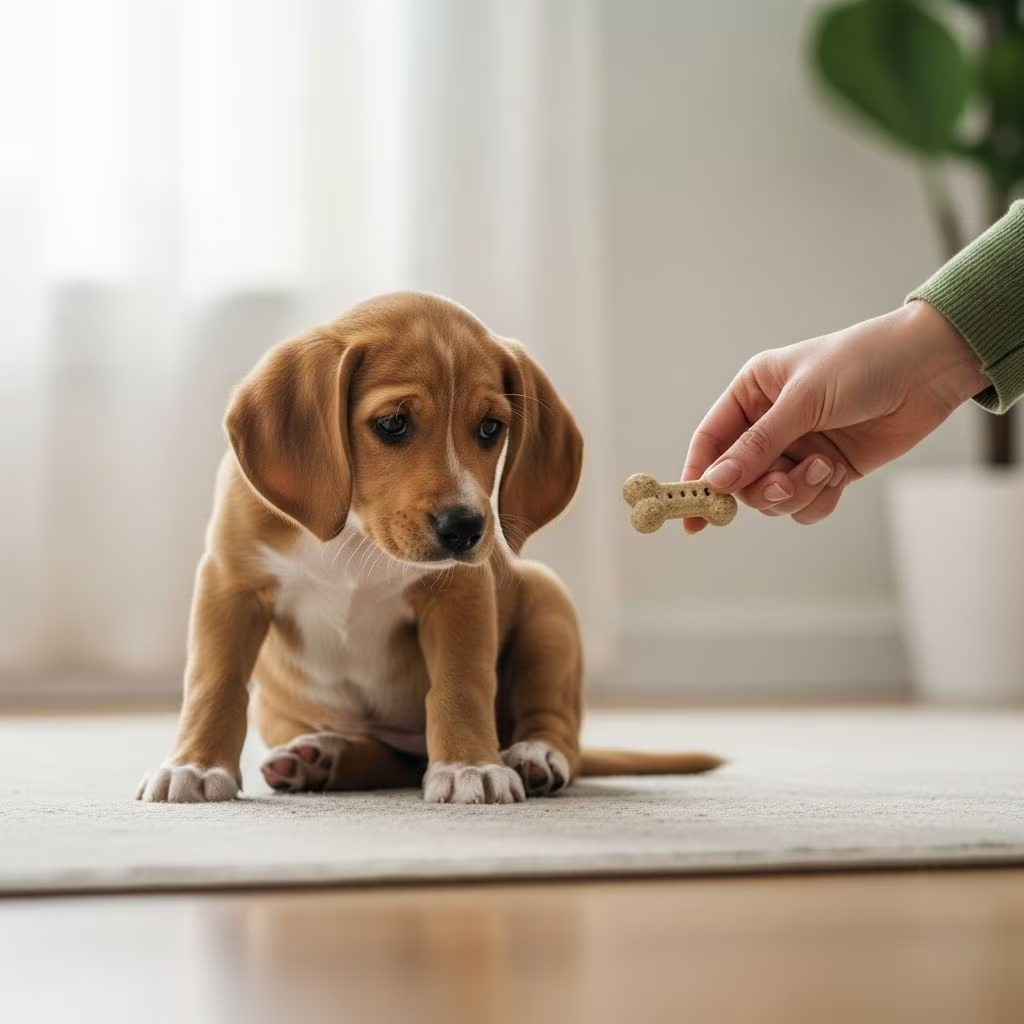
Submissive urination is a common behavioral issue that affects many puppy owners. Unlike typical house-training accidents, submissive urination is an involuntary reflex response that puppies cannot control. If your puppy is urinating during greetings, when being approached, or in response to perceived dominance, you’re likely dealing with submissive urination rather than a potty-training problem. The good news is that with the right approach and understanding, you can help your puppy overcome this behavior and build their confidence.
Understanding Submissive Urination in Puppies
Submissive urination is a dog’s uncontrollable instinctive reaction to the presence of another dog or human that they perceive as superior or intimidating to them. This behavior is most common in puppies and young dogs, though it can carry into adulthood if not properly addressed. According to research, submissive urination is equally common in both male and female dogs, though it may be slightly more prevalent in female puppies under one year old and in smaller or toy breeds.
It’s crucial to understand that submissive urination is not a house-training issue or a sign of stubbornness. Your puppy is not doing this intentionally, and they have no conscious control over the behavior. Instead, it’s an automatic physiological response triggered by fear, anxiety, or perceived threats. As a pet parent, recognizing this distinction is the first step toward effectively addressing the problem.
Signs Your Puppy is Submissively Urinating
Submissive urination often occurs alongside other submissive gestures. Watch for these behavioral indicators:
– Cowering or crouching low to the ground- Tucking the tail between the hind legs- Flattening the ears back against the head- Licking the lips repeatedly- Displaying a submissive grin (showing teeth without aggression)- Avoiding direct eye contact- Turning away or rolling onto the back
If your puppy exhibits these signs along with urination, you’re definitely dealing with submissive behavior rather than excitement or incomplete house-training.
Why Does Submissive Urination Happen?
Understanding the root causes of submissive urination is essential for addressing it effectively. According to dog training experts, incorrect signals from pet parents can result in submissive gestures such as urination. Fear, lack of confidence, sensitivity, confusion, and nervousness are primary contributors to this behavior.
Common Triggers for Submissive Urination
Submissive urination typically occurs in specific situations where your puppy feels threatened or anxious:
– During greetings: When you come home or when visitors arrive- When being scolded: During training corrections or if the puppy has done something wrong- During approach: When you reach over their head to pet them or stand directly over them- Upon hearing loud noises: Sudden sounds can trigger fearful responses- When experiencing conflict: Situations where the puppy feels uncertain about their position- During stressful events: Vet visits, car rides, or introduction to new environments
Many puppies with submissive urination problems have a shy or anxious personality and may lack self-confidence. Additionally, some dogs have a history of being punished inappropriately, causing them to show submissive urination as a way to demonstrate they recognize you as the leader to avoid further punishment.
Separation anxiety can also contribute to submissive urination. If your puppy misses you when you’re away and thinks you’re about to leave, they may pass urine out of emotional distress. When you return home, they may pee out of excitement, which is related to their insecurity when left alone.
Medical vs. Behavioral Causes
Before assuming your puppy’s inappropriate urination is purely behavioral, it’s important to rule out medical issues. Talk to your veterinarian to ensure there are no underlying health problems. Medical causes that can mimic submissive urination include:
– Urinary tract infections (UTIs): Can cause dogs to pass urine without realizing it- Urinary incontinence: Your dog may lack the ability to “hold it” or have a weak bladder- Dietary changes: Changes in eating or drinking habits can affect bathroom behavior
Once your vet has cleared any medical issues, you can confidently address the behavior as a training and confidence-building matter.
How to Address Submissive Urination: Key Strategies
Successfully managing submissive urination requires a two-fold approach: first, reduce the situations that trigger the behavior; second, avoid reinforcing it through punishment or excessive attention. Here are the most effective strategies:
1. Never Punish Your Puppy
This is the single most important rule. Punishing, scolding, shouting at, or showing anger toward your puppy for submissive urination will absolutely not work and will likely make the situation worse. Remember, your puppy cannot control this reflex. Punishment will only increase their anxiety and fear, making them more likely to submissively urinate in the future.
2. Remain Calm and Ignore the Behavior
When your puppy has an accident, act calmly and matter-of-factly. Don’t talk in an excited manner, don’t pet your dog, and don’t make a fuss about the incident. Simply clean up the mess without drawing attention to it. This teaches your puppy that urination during these situations is not worth your emotional response.
3. Modify Your Greeting Behavior
Change how you greet your puppy. Instead of approaching them directly, wait until they become calm before interacting. Don’t go straight to your puppy when you get home; let them settle down first. When greeting them, crouch down to their level and turn your side to them rather than facing them directly. Let your dog approach you. Avoid:
– Reaching over their head to pet them- Standing directly over them- Making direct eye contact- Using a loud or excited tone of voice- Making sudden movements
These dominant-appearing actions trigger submissive urination in susceptible puppies.
4. Reduce Stressful Situations
Avoid rushing your dog into new experiences or situations. Gradually expose your puppy to new environments, people, and experiences at their own pace. This prevents overwhelming them and triggering anxiety-related submissive urination.
5. Manage Bladder Pressure
Take your puppy out regularly so they don’t have excessive bladder pressure, which can intensify the urge to urinate during stressful interactions. A well-hydrated puppy with regular bathroom breaks is less likely to have accidents during anxious moments.
6. Use a Crate When Away
Use a dog crate when you’re away to help manage accidents and provide your puppy with a safe space. This also helps prevent them from developing separation anxiety, which can contribute to submissive urination.
7. Build Your Puppy’s Confidence
One of the most effective long-term solutions is building your puppy’s self-confidence through positive training and socialization. Work with your puppy on basic obedience using reward-based training methods exclusively. Positive reinforcement helps them feel successful and gradually increases their confidence. Make sure to:
– Use only positive, rewards-based training- Go at your puppy’s pace- Always end training sessions on a positive note- Provide plenty of socialization opportunities- Celebrate small successes
8. Teach Alternative Appeasement Behaviors
Teach your puppy how to show social appeasement in other ways. This might include teaching them to sit calmly when greeting people or lie down when visitors arrive. These alternative behaviors redirect their nervous energy into something constructive.
Professional Help and Medical Options
If your puppy’s submissive urination continues despite your best efforts, consider seeking help from a qualified behavior professional. A certified dog trainer or veterinary behaviorist can assess your specific situation and provide tailored guidance.
For refractory cases—those that don’t respond to behavioral modification—there are pharmaceutical options. Drugs to increase bladder sphincter tone might be considered as an adjunct to behavior therapy. Additionally, synthetic canine pheromone (Adaptil) has shown promise in some cases of fearful and submissive urination.
The Difference Between Submissive and Excited Urination
It’s important to distinguish between submissive urination and excited urination, as they require different approaches. Unlike submissive urination, puppies usually grow out of excited urination as they age without requiring intensive training intervention. Excited urination typically occurs during high-energy moments like playtime or greetings, whereas submissive urination happens when the puppy feels anxious or threatened.
Timeline for Improvement
Most puppies eventually grow out of submissive urination, especially when their owners understand the behavior and approach it correctly. Dogs tend to outgrow this behavior over time, particularly as they develop greater urine control with sexual maturity and gradually become less anxious during social interactions. However, the timeline varies depending on your puppy’s temperament, past experiences, and how consistently you implement these strategies. Patience and persistence are essential.
Breed Considerations
Some breeds are more susceptible to submissive urination than others, including retrievers. Additionally, smaller and toy breeds tend to display this behavior more frequently than larger breeds. If you have a breed predisposed to submissive urination, understanding this can help you implement preventative strategies early and set realistic expectations for improvement.
Frequently Asked Questions
Q: Is submissive urination the same as not being house-trained?
A: No. Submissive urination is a behavioral reflex that your puppy cannot control, not a house-training issue. House-training problems involve your puppy not understanding where they should eliminate, while submissive urination is an involuntary response to fear or anxiety.
Q: Will punishment stop submissive urination?
A: Absolutely not. Punishment will make the problem worse by increasing your puppy’s anxiety and fear. Submissive urination requires positive reinforcement and confidence-building, not correction.
Q: At what age do puppies outgrow submissive urination?
A: Most puppies grow out of this behavior with age and maturity, though the timeline varies. Sexual maturity and increased confidence typically reduce the behavior, especially with proper handling and training.
Q: Should I reassure my puppy after they submissively urinate?
A: No. Reassuring your puppy after an episode can actually reinforce the behavior. Instead, remain calm and ignore the incident as much as possible.
Q: What should I do if my puppy submissively urinates during greetings?
A: Wait for your puppy to calm down before interacting with them. Don’t approach directly; instead, crouch down, turn your side to them, and let them approach you. Avoid direct eye contact and reaching over their head.
Q: Can medication help with submissive urination?
A: For refractory cases, medications to increase bladder sphincter tone or synthetic canine pheromones (Adaptil) may help as an adjunct to behavior therapy. Consult your veterinarian to discuss options.
Q: Should I contact a trainer or veterinarian?
A: If submissive urination continues despite your efforts, consult both your veterinarian to rule out medical issues and a certified positive reinforcement trainer or veterinary behaviorist for guidance.
References
- Training to Stop Submissive Urination in Dogs — WebMD Pets. 2025. https://www.webmd.com/pets/dogs/submissive-urination
- Dog Behavior Problems – Submissive, Excitement, and Conflict Urination — VCA Animal Hospitals. 2025. https://vcahospitals.com/know-your-pet/dog-behavior-problems–submissive-excitement-and-conflict-urination
- Submissive Urination Prevention Tips — Chewy Education. 2025. https://www.chewy.com/education/dog/new-dog/stop-submissive-urination-puppies
- Submissive Urination in Dogs — Morris Veterinary Center. 2025. https://morrisvetcenter.com/companion-animal/behavior-issues/-submissive-urination-in-dogs.html
- Submissive Urination — Positively Dog Training. 2025. https://positively.com/dog-training/article/housetraining-submissive-urination
- How to Stop Dog Submissive Urination and Excited Peeing — Best Friends Animal Society. 2025. https://bestfriends.org/pet-care-resources/how-stop-dog-submissive-urination-and-excited-peeing
- Submissive and Excitement Urination — Animal Humane Society. 2025. https://www.animalhumanesociety.org/resource/submissive-and-excitement-urination



