

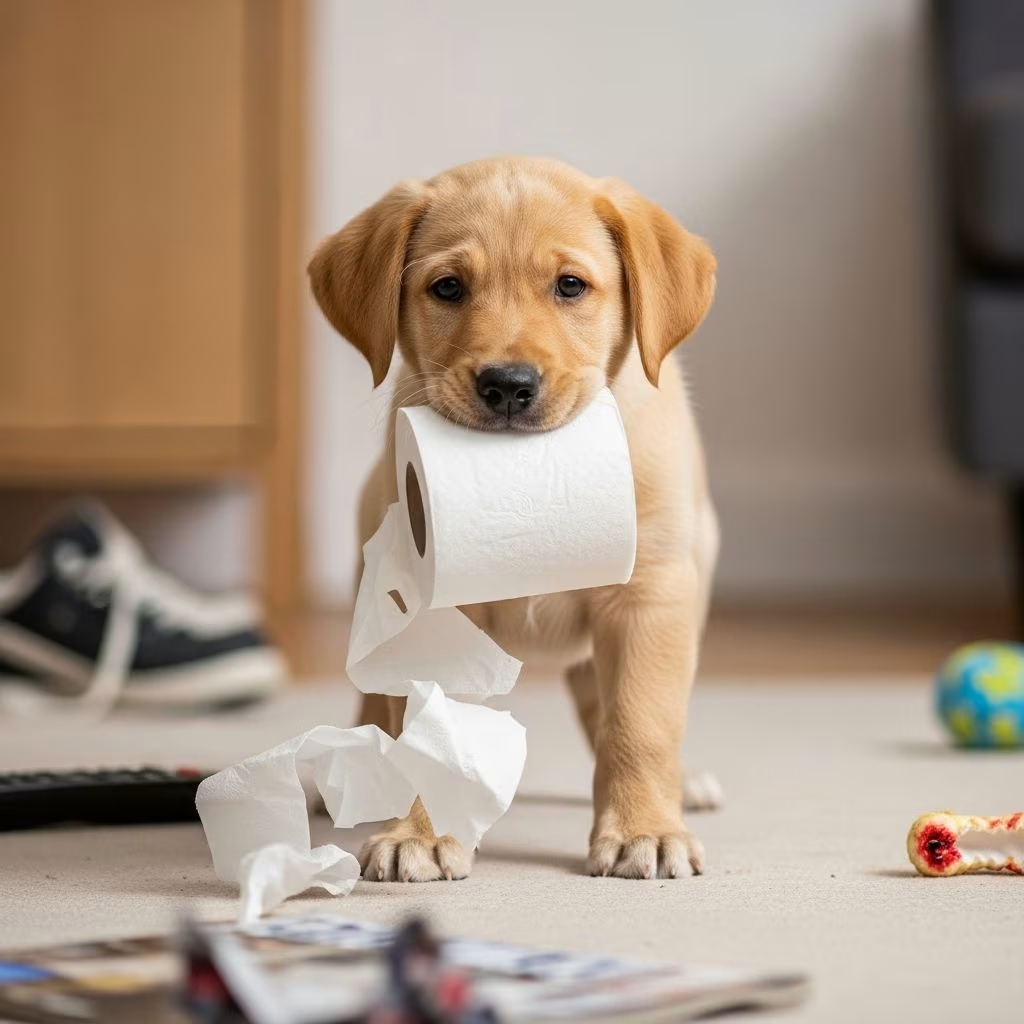
Puppies bring joy but often chaos through chewing furniture, digging carpets, or shredding shoes. Addressing these issues early with structured approaches prevents escalation into adult dog problems. This guide outlines comprehensive methods drawing from veterinary and training expertise.
Understanding the Roots of Puppy Mischief
Destructive actions in puppies stem from natural instincts like teething, exploration, boredom, or anxiety. Young dogs explore with mouths, needing outlets for energy and mental stimulation. Lack of exercise or inconsistent rules amplifies issues. Recognizing triggers—such as unattended access to tempting items—allows proactive intervention.
Common manifestations include gnawing cords, scratching doors, or scattering belongings. These signal unmet needs rather than defiance. Puppies under 6 months teethe intensely, making chew-resistant environments essential.
Constant Watchfulness: The Foundation of Good Habits
Supervision remains the cornerstone. Puppies demand eyes-on monitoring during learning phases to redirect impulses instantly. Tethering with a lightweight leash keeps them close without restricting movement, enabling quick swaps of forbidden objects for approved toys.
- Use a 6-foot leash indoors for easy oversight.
- Keep high-value chews handy for exchanges.
- Never leave unsupervised until reliability proves otherwise.
This method builds boundaries gradually, fostering trust and reducing accidents.
Building a Secure Den with Crate Training
Crate training creates a personal sanctuary, curbing destruction during absences. Select a size allowing standing, turning, and lying comfortably—use dividers for growth. Position in a calm, family-accessible spot to avoid isolation.
Introduce positively: associate with treats, meals, and post-play potty breaks. Start short sessions in view, extending as comfort grows. Limits: no more than 3-4 hours for young pups to prevent soiling.
| Age Group | Max Crate Time | Tips |
|---|---|---|
| 8-12 weeks | 2 hours | Frequent breaks, play first |
| 3-6 months | 3-4 hours | Scheduled naps, water access |
| 6+ months | 4-6 hours | Combine with walks |
Success yields house-trained, relaxed dogs confident alone.
Establishing Reliable Daily Patterns
Predictability reduces confusion. Fixed schedules for meals, potty, exercise, play, and rest teach expectations. Consistent household enforcement—e.g., no couch access for all members—solidifies rules.
Sample routine:
- 7 AM: Wake, potty, breakfast.
- 8 AM: Short training/play.
- 12 PM: Walk, lunch.
- Evening: Family time, final potty.
Consistency across people prevents mixed signals, accelerating learning.
Exposing Pups to the World: Socialization Essentials
Critical from 8-16 weeks, socialization introduces diverse stimuli—people, animals, noises, surfaces—building confidence. Controlled exposures via puppy classes, walks, or visits minimize fear-based destruction like barrier frustration.
Gradual progression: start familiar, add novelties. Positive pairings with treats ensure enjoyment. Lifelong continuation refines adaptability.
Engaging Play: Channeling Energy Productively
Appropriate play burns energy and teaches boundaries. Offer varied toys—ropes, Kongs, puzzles—rotating weekly for novelty. Short, frequent sessions teach commands like “leave it” amid fun.
End roughhousing at first nip. Games like fetch or flirt poles suit high-drive pups. Enrichment toys stuffed with kibble engage noses, curbing boredom chews.
- Rotate 4-6 toys.
- Supervise new items.
- Incorporate training cues.
Positive Guidance Over Punishment
Harsh corrections erode trust; focus prevention and redirection. Interrupt misdeeds with claps or noise, then redirect. Reward compliance lavishly.
For anxiety-driven acts, consult vets for behaviorists or meds if needed. Dog-proofing—secure wires, elevate valuables—limits opportunities.
Boosting Physical and Mental Workouts
Daily exercise combats excess vigor. Walks, runs, or yard romps paired with brain games prevent idle paws. Aim 30-60 minutes based on breed.
Mental tasks: scent games, obedience drills. Fatigued pups rest peacefully.
Proofing Your Space for Puppy-Proof Living
Beyond training, secure environments deter trouble. Baby gates block zones, bins store temptations. Bitter sprays safeguard furniture.
Regular sweeps ensure safety, teaching kids toy storage too.
Frequently Asked Questions
What age is best for crate training?
Start at 8 weeks, building tolerance gradually.
How much exercise does a puppy need?
5 minutes per month of age, twice daily, adjusting for breed.
Why does my puppy chew everything?
Teething, boredom, or stress; provide alternatives.
Can older puppies be trained out of destruction?
Yes, with patience and consistency; early intervention best.
When to seek professional help?
If behaviors persist post-basics or involve anxiety.
Long-Term Success: From Puppy to Polished Pet
Sustained effort yields balanced adults. Track progress, adjust as needed. Celebrate milestones to reinforce bonds. Patience transforms potential wreckers into ideal companions.
References
- 6 Training Techniques to Prevent Problem Puppy Behaviors — Pierson Pet Hospital. 2023-05-15. https://piersonpethospital.com/6-training-techniques-to-prevent-problem-puppy-behaviors/
- Destructive Behavior in Dogs — Small Door Veterinary. 2024-02-10. https://www.smalldoorvet.com/learning-center/behavior/destructive-behavior-dogs
- Pet Behavior: How to Prevent and Stop Destructive Behavior in Dogs — South Park Animal Hospital. 2023-08-20. https://www.southparkanimalhospitalsf.com/blog/august-pet-behavior-how-to-prevent-and-stop-destructive-behavior-in-dogs
- Destructive Behavior in Dogs — Joybound People & Pets. 2024-01-12. https://joybound.org/blog/destructive-behavior-in-dogs/
- Dogs and Destructive Chewing — VCA Animal Hospitals. 2023-11-05. https://vcahospitals.com/know-your-pet/dogs-and-destructive-chewing



