

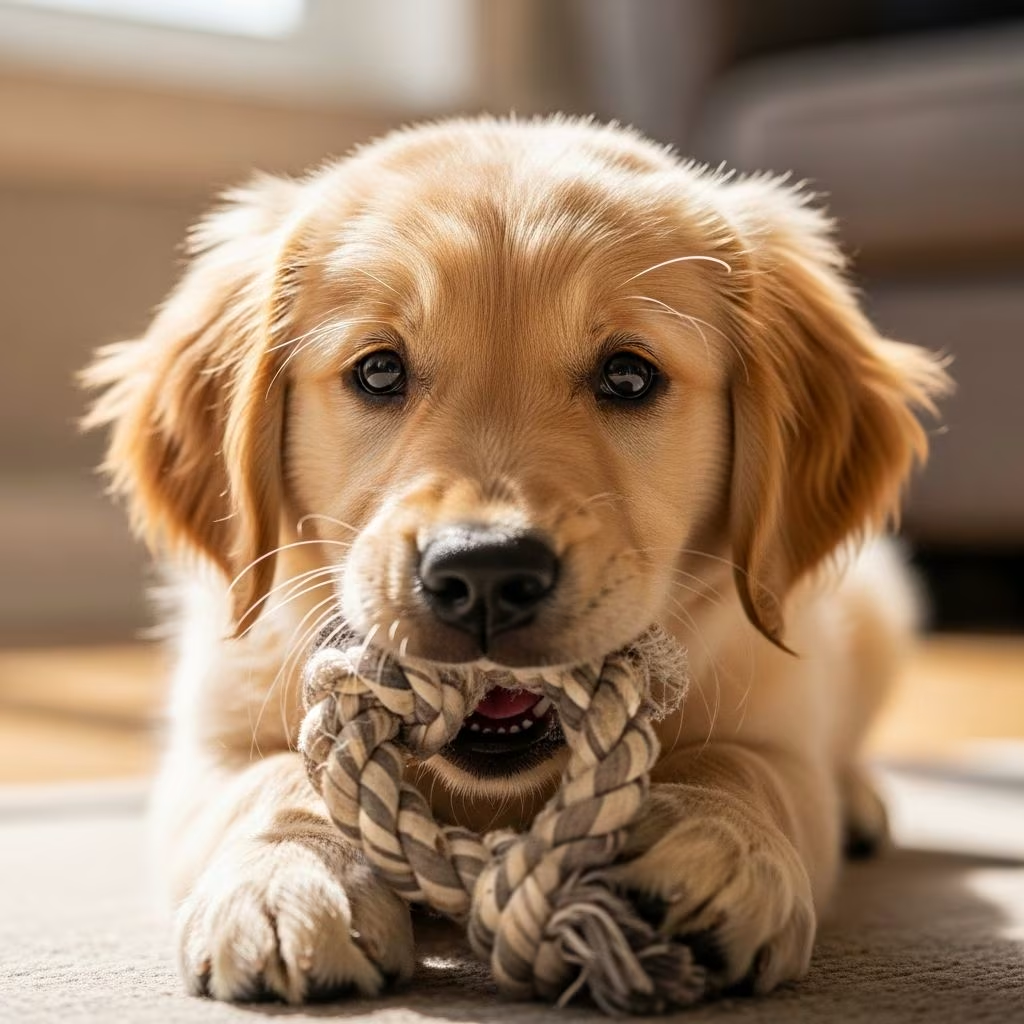
Puppy biting is a common phase that most new dog owners encounter, often stemming from natural instincts like exploration, play, or teething discomfort. With consistent training methods such as redirection and positive reinforcement, you can effectively teach your puppy appropriate behaviors, leading to a calmer household.
Understanding the Roots of Puppy Mouthing
Puppies use their mouths to interact with the world, much like human infants use hands. This behavior peaks between 8 to 16 weeks as they teethe and learn social cues from littermates. Key triggers include playfulness, overstimulation, fear, or seeking attention, making it essential to address the underlying cause rather than just the action.
- Teething Pain: Sore gums prompt chewing on anything available, including hands or furniture.
- Exploratory Instincts: Puppies mouth objects to gauge textures and tastes during early development.
- Play Solicitation: Nipping invites interaction, mimicking littermate roughhousing.
- Emotional Responses: Excitement, fatigue, or anxiety can escalate mouthing into bites.
Recognizing these drivers allows for targeted interventions. For instance, a puppy biting during high-energy moments may simply need a break to avoid overstimulation.
Core Principles for Effective Puppy Training
Successful management relies on patience, consistency, and positivity. Harsh punishments like slapping or yelling can backfire, increasing fear or excitement, and potentially leading to defensive aggression. Instead, focus on teaching alternatives through rewards and clear boundaries.
| Do’s | Don’ts |
|---|---|
| Use calm redirection to toys | Engage in rough wrestling |
| Reward gentle interactions | Yell or physically correct |
| Provide ample exercise | Ignore underlying needs like teething |
This structured approach builds trust and accelerates learning.
Step-by-Step Techniques to Curb Biting
1. Master Redirection Basics
Redirection is the cornerstone of bite prevention: when your puppy mouths you, immediately offer a suitable chew toy. Praise enthusiastically when they engage with it, reinforcing the desired choice. This method shifts their focus without confrontation.
- Keep toys accessible at all times.
- Say a cue like “toy” as you offer it.
- Follow with play to make the switch rewarding.
Over weeks, puppies associate hands with non-chew zones.
2. Develop Bite Inhibition Skills
Bite inhibition teaches puppies to control mouth pressure. Littermates naturally enforce this by yelping and withdrawing when bitten too hard. Mimic this: emit a high-pitched “Ouch!” and pause interaction for 10-30 seconds. Resume only if they soften their approach.
Consistency across family members prevents confusion. Puppies as young as 8 weeks respond well, gradually learning gentle mouthing or licking instead.
3. Leverage Positive Reinforcement
Reward calm, non-biting moments with treats, praise, or petting. For example, clicker training marks precise good behaviors, like sitting quietly during greetings. This builds impulse control and reduces attention-seeking nips.
- Capture calm states with a click and treat.
- Gradually increase calm duration requirements.
- Combine with commands like “sit” for structured play.
4. Implement Time-Outs Strategically
For persistent biters, a brief isolation in a crate or separate room signals that biting ends fun. Keep it under 1 minute to avoid anxiety, then re-engage positively. This is especially useful for overtired puppies mimicking overtired toddlers.
Addressing Teething Discomfort
Teething, from 3-6 months, intensifies biting as 28 adult teeth emerge. Relieve gums to minimize human-targeted chewing.
Safe Teething Relief Options
- Frozen Innovations: Stuff a Kong with peanut butter (xylitol-free), freeze, and offer for soothing cold therapy.
- Textured Toys: Select puppy-specific rubber or nylon chews designed for tender mouths.
- Gel Aids: Vet-approved numbing gels provide temporary ease; consult first for safety.
- Diet Adjustments: Soak kibble in warm water for softer meals during peak discomfort.
Rotate options to maintain interest and prevent overuse injuries.
Building a Biting-Proof Lifestyle
Exercise and Mental Stimulation
A fatigued puppy is a good puppy. Daily routines should include 30-60 minutes of walks, fetch, or puzzle toys to burn energy. Tired pups bite less due to reduced excitability.
Socialization Essentials
Expose puppies to diverse, positive experiences before 16 weeks. Controlled playdates with vaccinated dogs teach social norms, refining bite control through peer feedback. Enroll in puppy classes for supervised interactions.
Impulse Control Drills
Teach “place” or prolonged sits to manage arousal. These exercises promote self-regulation, curbing excitement-triggered bites.
Common Mistakes and How to Avoid Them
Owners often unwittingly encourage biting:
- Roughhousing: Tug-of-war escalates mouthiness; opt for fetch instead.
- Inconsistent Responses: Mixed signals confuse puppies; align household rules.
- Neglecting Needs: Rule out medical issues like tummy pain via vet checks.
Patience yields results; most puppies outgrow intense phases by 6 months with guidance.
FAQs: Puppy Biting Solutions
Why does my puppy bite me when excited?
Excitement overloads their self-control. Use redirection and calm-down cues to teach boundaries.
How long does puppy biting last?
Typically 3-6 months, shortening with training. Persistence beyond 6 months warrants professional review.
Is it okay to let puppies play bite each other?
Yes, supervised litter play builds inhibition, but intervene if overly rough.
What if yelping doesn’t work?
Combine with time-outs and toys. Avoid punishment to prevent fear-based worsening.
Can older puppies still learn not to bite?
Absolutely; consistency works at any age, though early intervention is ideal.
Long-Term Success Strategies
Track progress in a journal, noting triggers and effective responses. Professional trainers help if issues persist. A multi-faceted approach—training, relief, and enrichment—ensures your puppy matures into a gentle companion.
References
- Why Is My Puppy Biting Me — K9 Mania Dog Training. 2023. https://k9maniadogtraining.com/why-is-my-puppy-biting-me/
- Puppy Biting Solutions: Redirection Strategies — Einstein Dog Training. 2024-12-30. https://www.einsteindogtraining.com/blog-fenton-howell-lansing/2024/12/30/is-your-puppy-biting-too-much-how-to-teach-a-puppy-not-to-bite-effective-redirection-techniques-for-a-well-behaved-pup
- How To Stop a Puppy From Biting — PetMD. 2024. https://www.petmd.com/dog/training/puppy-biting
- Puppy Biting and Chewing — Carver Street Animal Hospital. 2023. https://www.carverstreetanimalhospital.com/resources/puppy-biting-and-chewing
- Got Puppy Nipping? Take the Clicker Approach — Clicker Training. 2024. https://clickertraining.com/puppy-nipping/



