
Stop Puppy Biting: Proven Training Guide
Discover effective, humane methods to curb your puppy's nipping and mouthing for a happier home and well-behaved dog.
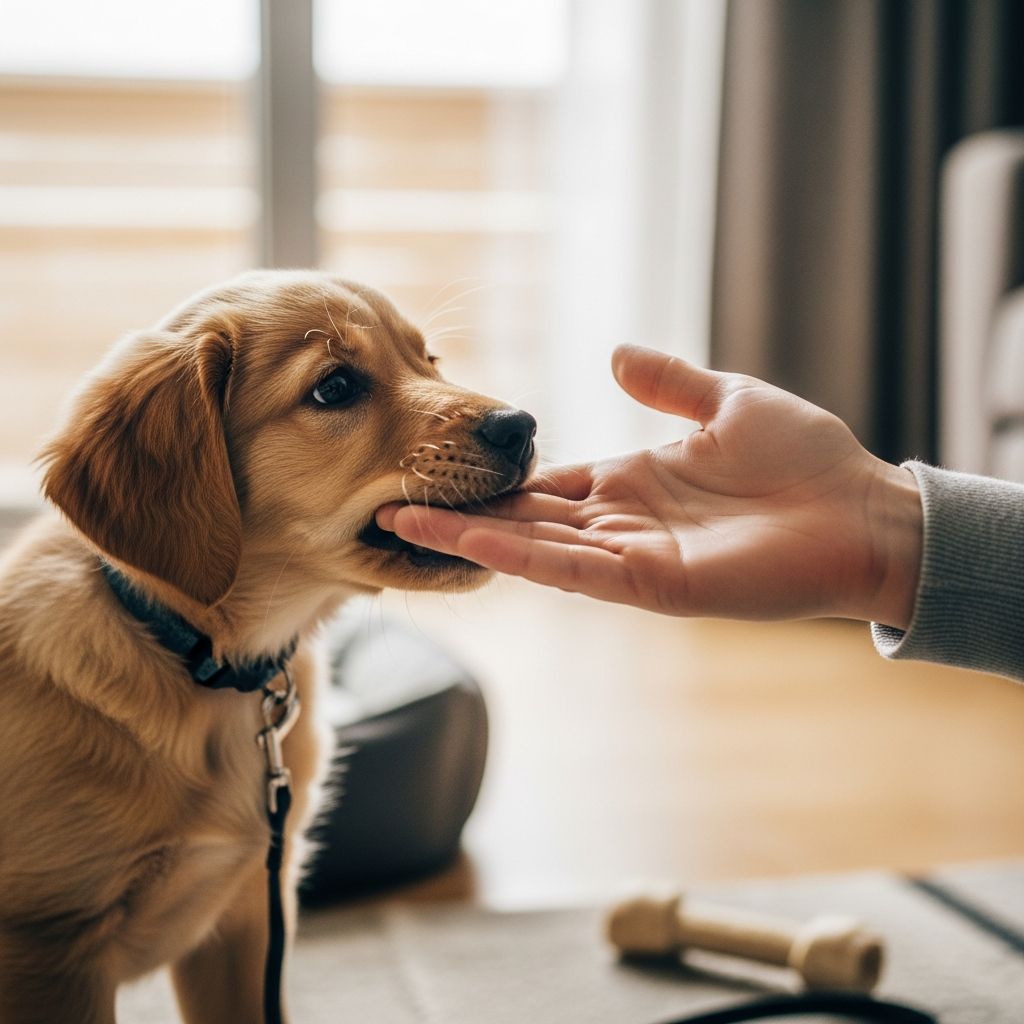
Puppy biting and nipping represent normal developmental behaviors in young dogs, primarily driven by exploration, teething discomfort, and social learning through play. Effective training focuses on positive reinforcement, consistent redirection, and teaching bite inhibition to transform these habits into gentle interactions.
Understanding the Roots of Puppy Mouthing
Young puppies explore their world using their mouths, much like human infants use hands. This mouthing intensifies during teething phases, typically between 12 and 16 weeks, when emerging adult teeth cause gum soreness that chewing alleviates. Beyond physical relief, nipping serves as play initiation; puppies entice humans or littermates into games by gently grabbing limbs.
In litter environments, siblings provide crucial feedback: a hard bite prompts yelps and withdrawal, teaching pressure control known as bite inhibition. Puppies separated early miss this lesson, often directing unchecked mouthing toward owners. Overstimulation from fatigue, hunger, or insufficient exercise can escalate nipping into frustration-driven bites.
Core Principles for Curbing Nipping
Success hinges on patience and consistency. Harsh punishments like yelling or physical corrections heighten fear or aggression, worsening behavior. Instead, prioritize:
- Redirection: Swap inappropriate targets for toys immediately.
- Attention withdrawal: End interaction after unwanted bites to signal consequences.
- Positive rewards: Praise and treat gentle mouths or toy use.
These methods leverage puppies’ desire for engagement, making good choices more rewarding than bad ones.
Step-by-Step Training Techniques
1. Master Redirection to Appropriate Chew Items
Keep a variety of engaging toys accessible—ropes, Kongs filled with treats, or soft plush items. When your puppy nips skin or clothing, calmly offer a toy and praise enthusiastic engagement. For hand-chasing, freeze movement and redirect to fetch or tug, avoiding body contact games initially.
During petting sessions, pair affection with chew toys: scratch ears while holding a bone in the other hand. Shorten sessions if arousal builds, alternating hands to maintain association between human touch and appropriate outlets.
2. Implement Time-Outs for Hard Bites
Respond to painful nips with a sharp “Ouch!” in a high-pitched tone, mimicking littermate yelps. Immediately cease play, turn away, or place the puppy in a safe, quiet area like a crate for 1-2 minutes—not as punishment, but a calm reset.
Gradually raise standards: time out harder bites first, progressing to softer ones weekly. Release only when calm, then resume with toys. This teaches that even mild mouthing disrupts fun, refining control.
3. Teach Gentle Play Through Impulse Control
Practice “take it nice” with treats held in a loose fist. Reward only licks or soft mouths, ignoring or withdrawing for grabs. Alternate hands to generalize the skill. During tug, drop the toy on hard pulls, restarting only on gentle grips.
Use a firm “No!” followed by standing and hand withdrawal for mid-play nips. Reward sitting calmly before re-engaging.
Addressing Specific Scenarios
| Scenario | Triggers | Solution |
|---|---|---|
| Feet/Chasing | Moving feet mimic prey | Walk calmly; redirect to tug toy from pocket. Increase walks. |
| Hand Mouthing During Pets | Excitement buildup | Short pet bursts with chew toy; alternate hands. |
| Over-Tired Biting | Fatigue/frustration | Crate for nap (10-15 min); check potty/hunger. |
| Persistent Aggression | Body tension, growling | Consult professional; avoid solo handling. |
Boosting Success with Lifestyle Adjustments
Channel boundless puppy energy through structured outlets. Daily routines should include:
- Multiple short walks or backyard romps for physical burn.
- Mental puzzles like treat-dispensing toys or basic cue training (sit, down).
- Controlled social play with vaccinated peers to practice inhibition.
A predictable schedule—meals, potty, naps, play—prevents overstimulation. Enroll in positive reinforcement puppy classes for supervised practice.
Teething Support Strategies
While not the sole cause, teething amplifies mouthing from 3-7 months. Offer frozen wet rags, chilled carrots, or veterinary-approved chews to soothe gums. Rotate items to maintain interest, supervising to prevent swallowing hazards.
Warning Signs and Professional Intervention
Most nipping resolves by 6 months with consistent training. Seek a veterinary behaviorist (DACVB) if:
- Bites persist past 6 months.
- Include growling, shaking, or body stiffness.
- Cause injury or fear in household.
Early intervention prevents escalation to adult aggression.
Frequently Asked Questions
Is puppy biting normal?
Yes, it’s a standard phase for exploration, play, and teething. Proper training ensures it fades.
What age does puppy biting stop?
Typically by 6-8 months with guidance, though teething may prolong it.
Can I use my hands as toys?
No—always use toys to avoid confusion between play and real bites.
Does neutering stop biting?
No, behavior training is key; neutering addresses other issues.
How long until training works?
2-4 weeks of daily consistency yields improvement; full resolution takes months.
Long-Term Benefits of Early Training
Investing time now fosters a confident, gentle adult dog. Owners report fewer behavioral issues, stronger bonds, and safer interactions with kids or guests. Track progress in a journal, celebrating small wins like reduced frequency or softer pressure.
References
- How To Stop a Puppy From Biting — PetMD. Wailani Sung, MS, PhD, DVM, DACVB. Accessed 2026. https://www.petmd.com/dog/training/puppy-biting
- How to Stop Puppy Biting — Bruceville Pet Hospital. 2024-04-30. https://www.brucevilleph.com/site/blog/2024/04/30/how-stop-puppy-biting
- Dealing with Normal Puppy Behavior: Nipping and Rough Play — PAWS. Accessed 2026. https://www.paws.org/resources/nipping-and-rough-play/
- Teaching Bite Inhibition and Dealing with Rough Puppy Play — Oregon Humane Society. Accessed 2026. https://www.oregonhumane.org/portland-training/teaching-bite-inhibition-and-dealing-with-rough-puppy-play/
- How to Stop Puppy Biting — Purina US. Accessed 2026. https://www.purina.com/articles/dog/puppy/behavior/how-to-stop-puppy-biting
- Expert Tips To Curb Puppy Mouthing — American Kennel Club. Accessed 2026. https://www.akc.org/expert-advice/training/puppy-mouthing-expert-tips/
- Play Biting in Puppies — VCA Animal Hospitals. Accessed 2026. https://vcahospitals.com/know-your-pet/play-biting-in-puppies
Similar Articles








Read full bio of medha deb




