Stop Leash Lunging In Dogs: Comprehensive Guide For Calm Walks
Effective strategies to manage and train dogs that lunge at others on walks, building calm behavior for safer outings.
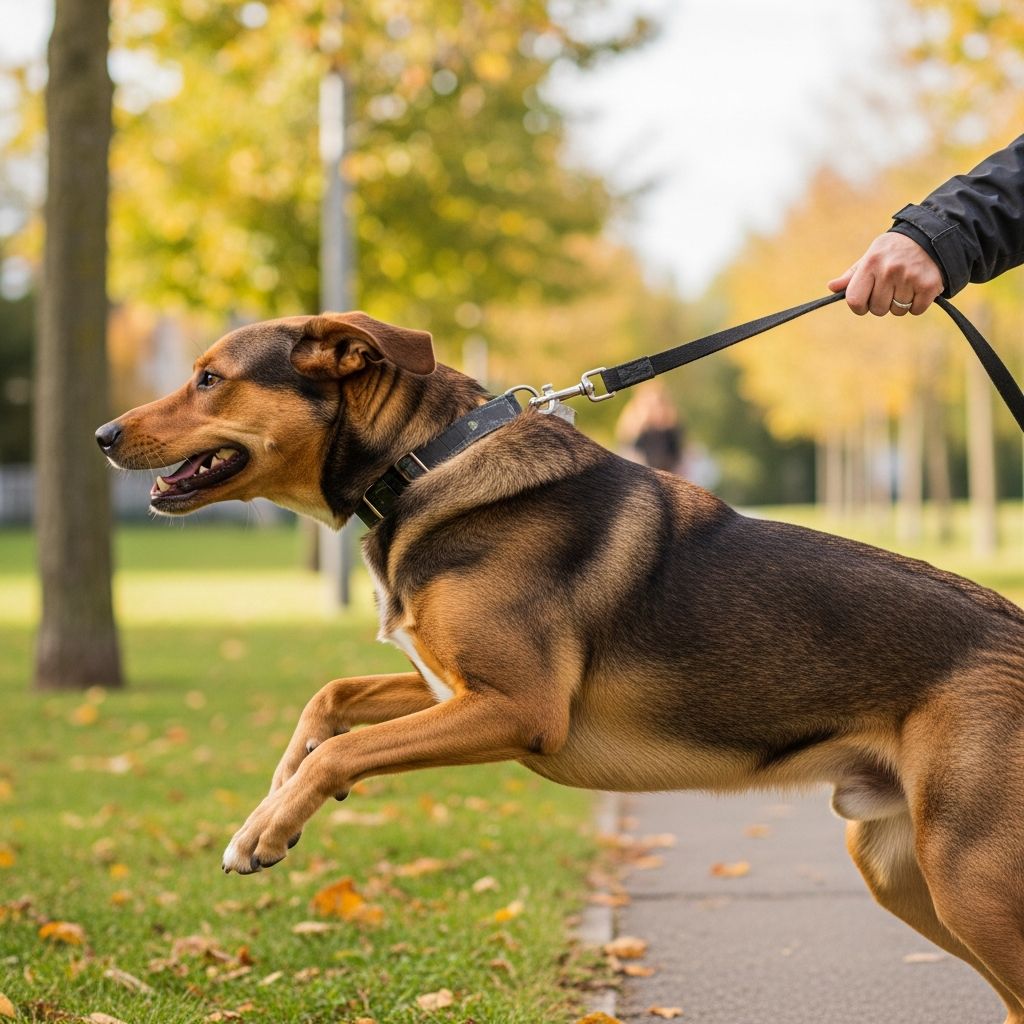
Stop Leash Lunging in Dogs
Leash lunging occurs when dogs suddenly pull, bark, or charge toward stimuli like other dogs, people, or objects during walks. This behavior, often called leash reactivity, stems from emotional arousal and can make outings stressful for both pet and owner. Addressing it requires understanding root causes and applying structured training to foster calm responses.
Understanding Leash Reactivity
Reactive dogs become overly aroused by everyday encounters, displaying intense body language such as stiff posture, raised hackles, or forward lunges. Unlike true aggression, reactivity frequently arises from frustration or fear rather than intent to harm. Owners must differentiate these to select appropriate interventions.
Common Triggers and Motivations
- Frustrated Greeting: Dogs eager to interact lunge due to leash restraint, especially if they play well off-leash.
- Fear-Based Reactions: Dogs approach threats preemptively with an ‘attack first’ instinct to drive them away.
- Excitement Overload: High energy without outlet leads to uncontrolled surges toward movement.
- Territorial Instincts: Home boundaries amplify responses to passersby.
Recognizing signs early—such as ear pinning, whale-eye, or lip licking—allows proactive management before escalation.
Why Dogs Lunge: Psychological Insights
Lunging reinforces itself as dogs perceive it works to alter situations, like making triggers retreat. Leash tension heightens arousal, creating a feedback loop. Poor socialization or genetics can predispose dogs, but environment plays a key role. High-drive breeds may channel play into reactivity without guidance.
Stress hormones surge during triggers, impairing learning until the dog calms below threshold—the distance where reactions subside. Training beyond this point ensures focus on rewards over impulses.
Immediate Management Strategies
Before training, prevent practice of lunging to weaken the habit. Proactive planning transforms walks into success opportunities.
Route and Timing Optimization
Schedule walks during low-traffic periods, like dawn or dusk, using reflective gear for safety. Select quiet paths and scout ahead for triggers. If spotted, increase distance via U-turns or street-crossing to stay under threshold.
Body Blocking Techniques
Position yourself between dog and trigger, using your body to obscure view. Pair with calm cues like ‘let’s go’ while retreating briskly.
Equipment Essentials
| Tool | Purpose | Best For |
|---|---|---|
| Front-Clip Harness | Redirects pulling | Reducing forward momentum |
| Head Halter | Gentle head control | High pullers (with training) |
| Short Leash | Maintains proximity | Urban environments |
| Citronella Collar | Interrupts barking | Home territoriality |
Avoid prong or choke collars, as they intensify fear.
Core Training Foundations
Positive reinforcement builds voluntary calm by associating triggers with rewards. Key: Reward markers like clickers or ‘yes’ followed by treats. Never punish, as it links pain to stimuli, worsening reactivity.
Building Attention on You
Practice ‘look at me’ in low-distraction areas. Hold treat near eyes; mark and reward eye contact. Gradually introduce mild triggers, rewarding focus shifts.
Desensitization and Counterconditioning Protocol
This duo changes emotional responses: Desensitization exposes below threshold; counterconditioning pairs triggers with positivity.
Phase 1: Distant Foundations
- Identify threshold (e.g., 50 feet where calm persists).
- In quiet areas, wait for distant trigger.
- Feed high-value treats continuously while dog notices but stays relaxed.
- End session before arousal builds.
Repeat daily, 5-10 minutes.
Phase 2: Controlled Approaches
Once steady at distance, shorten gradually. Use ‘sit-stay’ or ‘heel’ with treats. For passing stimuli, cross streets; reward auto-sits.
Phase 3: Close Encounters
Practice with cooperative helpers or parked dogs. Reward defaults to you over lunging. Progress to real-world variability.
Pro Tip: If treats lose appeal, you’re too close—back up immediately.
Alternative Behaviors to Teach
Incompatible actions prevent lunging. Dogs can’t lunge while performing these.
- ‘Find It’: Scatter treats away from triggers preemptively. Builds confidence.
- ‘Watch Me’: Reinforces owner focus amid distractions.
- ‘Sit and Look’: Prerequisite for playdates or greetings.
- ‘Emergency U-Turn’: Cue quick pivots with rewards.
Practice off-leash first, then on walks. Reward heavily initially, fade over time.
Home Reinforcement and Prevention
Consistency extends beyond walks. Block window access to curb fence-fighting. Redirect with toys or training upon noticing passersby. Use noise interrupters sparingly (e.g., whistles) then reward calm.
Meet exercise needs sans walks: Backyard fetch, sniff games, or trick training tires mentally.
Advanced Considerations
When to Seek Medication
For severe cases—long thresholds or dense living—veterinarians may prescribe anxiolytics alongside training. Consult behaviorists for tailored plans.
Breed and Age Factors
Puppies benefit from socialization windows; adults may need patience. Herding breeds often frustrate easily.
Common Pitfalls to Avoid
- Rushing proximity, causing setbacks.
- Inconsistent rewards, confusing dogs.
- Ignoring body language, missing thresholds.
- Allowing home rehearsals, undoing progress.
Tracking Your Progress
Log sessions: Distance achieved, response speed, treat uptake. Celebrate milestones like first calm pass-by. Expect 4-8 weeks for noticeable change with daily effort.
Frequently Asked Questions
Will My Dog Outgrow Leash Lunging?
No—without intervention, habits strengthen. Early training yields fastest results.
Is a Shock Collar Effective?
No; it heightens fear-aggression links. Positive methods prove superior.
How Far Is Threshold Distance?
Varies: Test by approaching triggers until tension appears, then double it.
What If Training Fails?
Consult certified trainers (CPDT-KA) or veterinary behaviorists for custom plans.
Can Off-Leash Parks Help?
Only post-training; they risk reinforcing poor habits if reactive.
Long-Term Success Blueprint
Sustained calm requires lifelong management: Avoid overload, maintain skills, enrich daily. Transformed walks boost bond and confidence, turning stress into joy.
References
- How to Stop Lunging Behavior — Whole Dog Journal. 2023-05-15. https://www.whole-dog-journal.com/behavior/how-to-stop-lunging-behavior/
- A better walk: Training dogs not to lunge, growl, and pull on a leash — dvm360. 2024-02-10. https://www.dvm360.com/view/better-walk-training-dogs-not-lunge-growl-and-pull-leash
- Training a Reactive Dog to Stop Lunging at Strangers — Dog Gone Problems. 2023-08-22. https://www.doggoneproblems.com/boba-stop-lunges-at-people/
- Why Does My Dog Lunge on a Leash? — American Kennel Club. 2025-01-12. https://www.akc.org/expert-advice/training/lunging-on-leash/
- If your dog ‘Barks and Lunges’ on Walks…read this — Do No Harm Dog Training. 2024-06-05. https://www.donoharmdogtraining.com/blog/dog-dog-aggression-part-1
- Beep Beep Bark Bark! What to Do About Lunging and Barking at Vehicles — RSD Training. 2023-11-18. https://rsdtraining.com/beep-beep-bark-bark-what-to-do-about-lunging-and-barking-at-vehicles/
Similar Articles








Read full bio of Sneha Tete