

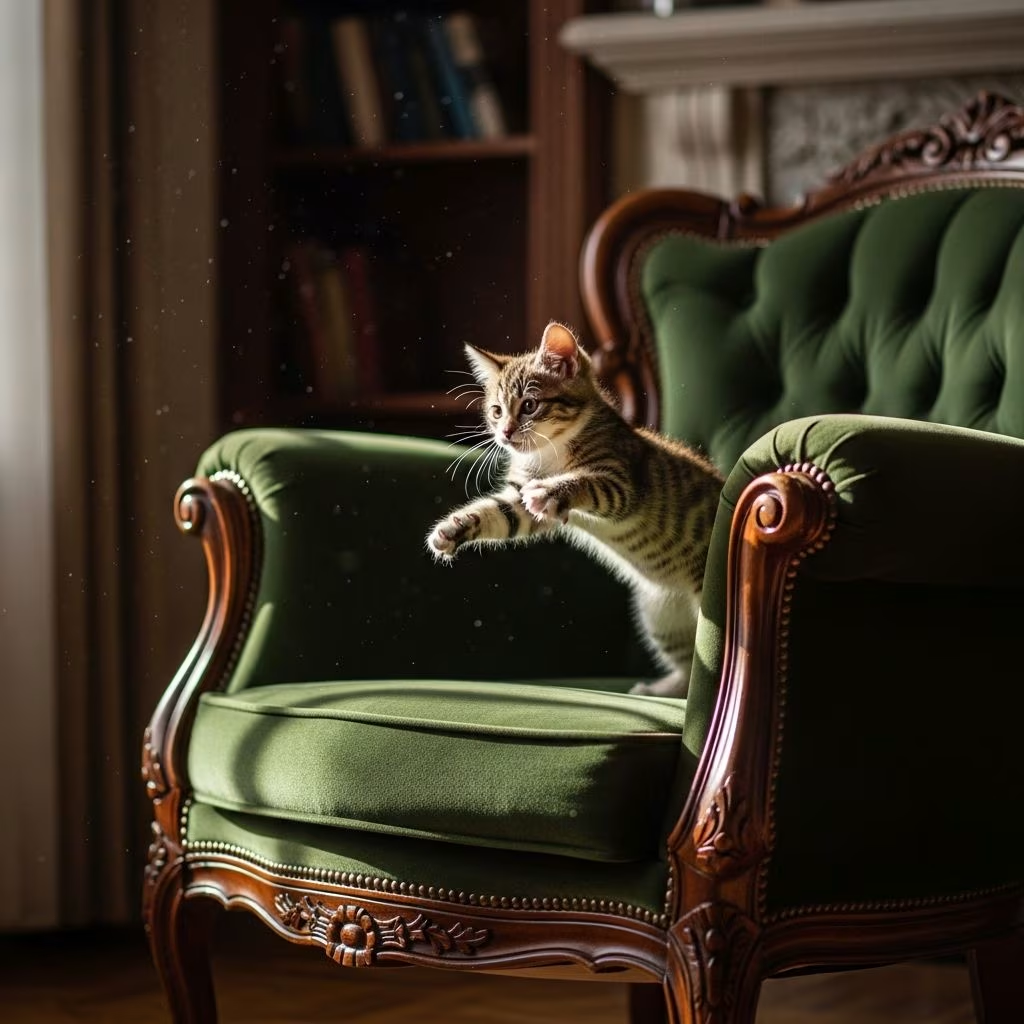
Stop Your Kitten From Jumping and Climbing on Furniture
Kittens are naturally curious and energetic creatures with an instinctive desire to climb, jump, and explore their environment. While these behaviors are perfectly normal and healthy for feline development, they can become problematic when directed toward your furniture. Jumping on couches, climbing curtains, and scaling bookshelves may seem cute when your kitten is small, but these habits can quickly lead to damaged upholstery, knocked-over items, and household chaos. The good news is that with patience, consistency, and the right training techniques, you can redirect your kitten’s natural behaviors toward appropriate outlets while protecting your furniture.
Understanding Your Kitten’s Natural Instincts
Before addressing how to stop jumping and climbing behavior, it’s important to understand why kittens engage in these activities. Climbing and jumping are fundamental feline behaviors that serve multiple purposes in a cat’s life. These activities help kittens develop strength, coordination, and confidence. They also allow cats to survey their territory from elevated positions, which provides them with a sense of security and control over their environment.
Kittens have incredibly powerful muscles and flexible spines that enable them to perform impressive acrobatic feats. Their bodies contain specialized fast-twitch muscle fibers that allow them to generate explosive bursts of movement. Understanding that jumping and climbing are not behavioral problems but rather natural instincts is the first step toward managing them effectively. Rather than trying to eliminate these behaviors entirely, the goal should be to redirect them toward acceptable surfaces and scratching posts.
Identifying Why Your Kitten Jumps and Climbs
The first step in addressing unwanted jumping and climbing is to understand what motivates your kitten’s behavior. Different kittens may jump on furniture for different reasons, and identifying the underlying cause will help you develop a more effective solution.
Common reasons kittens jump on furniture include:
- Seeking elevated viewpoints to monitor their environment
- Playing and burning excess energy
- Seeking attention from their owners
- Attracted to specific furniture characteristics like comfort or proximity to windows
- Exploring their territory and establishing dominance
- Seeking warmth and cozy spaces
Take time to observe your kitten’s behavior patterns. Does your kitten jump on the couch primarily when you’re working and they want attention? Do they seem drawn to furniture near windows where they can watch outdoor activity? Do they jump on the couch to nap in soft blankets? Understanding the motivation behind the behavior will help you implement targeted solutions.
Environmental Management Strategies
Assess and Modify Your Furniture
One of the most straightforward approaches to preventing unwanted jumping is to make the furniture less appealing to your kitten. Start by assessing why your kitten is attracted to specific pieces. If your couch is positioned near a window, your kitten may be jumping on it to access the view. In this case, consider repositioning the furniture away from the window or closing blinds during times when your kitten is most active. If your kitten loves nesting in blankets and pillows, remove these items from the couch or relocate them to less accessible areas.
Additionally, consider covering attractive furniture with materials that discourage jumping. Aluminum foil or double-sided pet tape can be placed on furniture surfaces to create an unpleasant texture that most cats avoid. However, these solutions work best when combined with positive alternatives that redirect your kitten’s attention elsewhere.
Create Appealing Alternative Spaces
Rather than simply trying to prevent your kitten from jumping on furniture, provide attractive alternatives that meet their climbing and jumping needs. Cat trees, wall-mounted shelves, and cat perches give your kitten legitimate outlets for their climbing instincts. Position these alternatives strategically throughout your home, particularly in areas where your kitten most frequently attempts to jump on forbidden furniture.
When selecting cat furniture, choose structures that are tall, stable, and positioned near windows or other interesting viewpoints. Multi-level cat trees that offer various heights and textures are particularly effective because they provide the elevation and environmental observation opportunities that motivate much jumping behavior. Ensure that any cat furniture you purchase is sturdy enough to safely support your kitten’s weight and activity level.
Increase Enrichment and Play
A bored kitten is far more likely to engage in destructive jumping and climbing behavior. Kittens require substantial mental and physical stimulation to remain happy and well-behaved. Commit to daily interactive play sessions using toys that encourage jumping, pouncing, and climbing. Wand toys, laser pointers, and ball toys can all provide excellent opportunities for your kitten to engage their natural hunting and climbing instincts.
Varying your play sessions keeps your kitten engaged and prevents boredom. Introduce new toys regularly and rotate them to maintain novelty and interest. Additionally, puzzle feeders and treat-dispensing toys can provide mental stimulation that reduces the likelihood of your kitten seeking attention through destructive furniture jumping.
Positive Reinforcement Training Techniques
Clicker Training Basics
One of the most effective and science-based methods for training cats to stay off furniture is clicker training. Clicker training uses a small device that makes a distinct clicking sound to mark the exact moment your kitten performs a desired behavior. The click is immediately followed by a reward, creating a strong association between the behavior and positive reinforcement.
To get started with clicker training, you’ll need to purchase a clicker from your local pet store or online retailer. You’ll also need high-value treats that your kitten loves and will work hard to earn. Begin by clicking the device and immediately giving your kitten a treat. Repeat this process multiple times so your kitten learns that the click sound means a reward is coming. This phase typically takes just a few training sessions.
Training with a Target Stick
Once your kitten understands the clicker concept, you can introduce target training using a stick or wand. Hold the stick low to the ground and encourage your kitten to touch it with their nose or paw. When they make contact, click immediately and reward with a treat. This teaches your kitten to follow the target stick on command.
As your kitten becomes proficient with target training, gradually move the stick to guide them to appropriate locations and away from forbidden furniture. You can use the stick to guide your kitten toward their cat tree or away from the couch. The key is to make the training fun and rewarding so your kitten actively wants to follow your direction.
Teaching “Go to Your Mat”
Another effective training behavior is teaching your kitten to “go to their mat” or bed on command. This behavior can be particularly useful for preventing furniture jumping during busy times when you can’t actively supervise. To teach this behavior, follow these steps:
- Place a mat or small bed on the floor in front of you
- Click and reward any interaction your kitten has with the mat, such as sniffing it
- Gradually shape the behavior by rewarding incremental progress: one foot on the mat, two feet, all four feet, sitting on the mat, and finally lying down
- Work through each step multiple times before progressing to the next level
- Be patient and keep training sessions short and positive
- Once your kitten reliably performs the behavior, add a verbal cue such as “mat” or “bed”
This trained behavior provides your kitten with a designated space to settle, and the act of rewarding them for being on their mat reinforces that this is a more desirable location than your furniture.
Reward-Based Behavior Modification
Positive Reinforcement When Ignored
Many cat owners make the mistake of only interacting with their kitten when the kitten is misbehaving, essentially rewarding the unwanted behavior with attention. Instead, look for opportunities to reward your kitten when they are displaying appropriate behavior. If your kitten chooses to relax on their cat tree rather than jump on the couch, give verbal praise and offer treats. If your kitten uses their scratching post instead of the furniture, make a big celebration out of it.
By actively rewarding good choices, your kitten learns that appropriate behavior results in positive outcomes. Over time, your kitten will naturally prefer the behaviors that earn rewards, making the training process more effective and lasting.
Redirecting Without Punishment
When you catch your kitten in the act of jumping on furniture, avoid using punishment, fear, or aversive techniques. Yelling, spraying with water, or using motion-activated noisemakers may temporarily stop the behavior, but they can create fear and anxiety in your kitten and damage your relationship. Additionally, these aversive methods don’t teach your kitten what they should do instead.
Instead, calmly redirect your kitten’s attention. Gently pick them up and place them on the ground near an appropriate alternative like their cat tree. Use a toy or treat to lure them to the alternative location, then reward them for using it. This approach teaches your kitten what behavior you want rather than simply punishing them for behavior you don’t want.
Creating a Kitten-Proof Environment
Strategic Furniture Placement
Consider the layout of your home from your kitten’s perspective. Avoid placing furniture pieces near climbing routes that make it easy for your kitten to reach forbidden surfaces. For example, don’t position a chair next to your couch if your kitten can use the chair as a launching pad to jump onto the couch back. Similarly, remove items that serve as stepping stones, such as ottomans or small tables positioned near furniture you want to protect.
Providing High Perches
Rather than fighting your kitten’s desire to reach high places, embrace it by providing legitimate high perches throughout your home. Wall-mounted shelves designed for cats, tall cat towers, and window perches all satisfy your kitten’s natural desire for elevation while keeping them off your furniture. Position these alternatives in high-traffic areas and near windows where your kitten naturally gravitates.
Training Timeline and Expectations
It’s important to have realistic expectations about training timelines. Cats can definitely be trained, but the process requires patience, consistency, and dedication from both the owner and the kitten. Some kittens may begin showing improvement within a few days, while others may take several weeks to fully internalize new behaviors. The key is maintaining consistency with your training methods and not reverting to old patterns.
Establish a regular training schedule with multiple short sessions each day rather than one long session. Kittens have short attention spans, so sessions lasting 5-10 minutes are often more effective than longer training periods. Always end training sessions on a positive note and keep the atmosphere fun and playful.
Frequently Asked Questions
Q: At what age can I start training my kitten to stay off furniture?
A: You can begin training kittens as early as 8-12 weeks of age. Early training is often more effective because kittens haven’t yet established strong jumping habits. However, older kittens and adult cats can also be trained successfully with patience and consistency.
Q: Why doesn’t punishment work for stopping furniture jumping?
A: Punishment and fear-based methods don’t teach your kitten what to do instead. They can also cause anxiety, stress, and behavioral problems. Positive reinforcement-based training is more effective because it teaches your kitten which behaviors earn rewards.
Q: How often should I play with my kitten to reduce unwanted jumping?
A: Aim for at least 2-3 interactive play sessions daily, each lasting 10-15 minutes. However, the exact amount depends on your individual kitten’s energy level and age. Kittens typically require more play than adult cats.
Q: Can I use multiple training methods at the same time?
A: Yes, combining multiple approaches often works best. You might use environmental modification, provide alternative perches, implement clicker training, and increase play sessions simultaneously for the most comprehensive approach.
Q: What should I do if my kitten continues jumping on furniture despite my training efforts?
A: Consistency is crucial. Ensure everyone in your household is using the same training methods. Also, evaluate whether you’re providing adequate alternatives and enrichment. If problems persist, consult with a certified feline behavior specialist for personalized guidance.
Q: Is it normal for kittens to jump and climb?
A: Yes, jumping and climbing are completely normal kitten behaviors that help develop their strength, coordination, and confidence. The goal is not to eliminate these behaviors but rather to redirect them toward appropriate outlets like cat trees and climbing posts.
References
- Cat Training: How to Keep Cats Off Counters — Purina US. Accessed 2025. https://www.purina.com/articles/cat/behavior/training/how-to-keep-cats-off-counters
- Unleash Your Cat’s Potential – Try Clicker Training — Dr. Lisa Radosta. Accessed 2025. https://drlisaradosta.com/unleash-your-cats-potential-try-clicker-training/
- Training Your Cat to Stay Off Your Counters — Zoetis Petcare. Accessed 2025. https://www.zoetispetcare.com/blog/article/training-cat-stay-off-counters
- International Cat Care: Understanding Cat Behavior — International Society of Feline Medicine. Accessed 2025-11-28. https://icatcare.org/



