

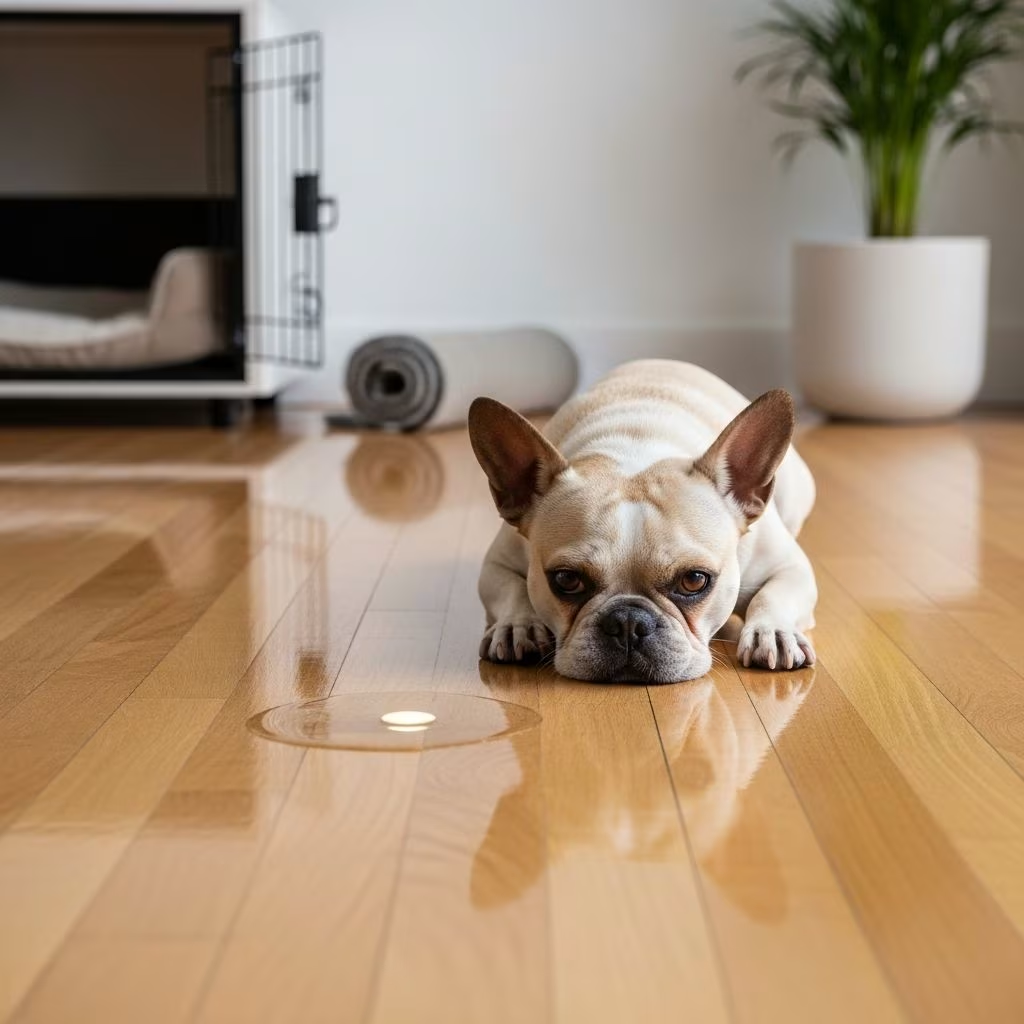
Indoor urination in dogs disrupts household peace and signals underlying issues ranging from health problems to training gaps. Addressing it starts with pinpointing causes like infections, stress, or aging, then applying targeted fixes for quick improvement.
Common Triggers Behind House Soiling
Dogs eliminate indoors for varied reasons, often tied to physical discomfort, emotional states, or routine disruptions. Recognizing patterns helps owners act effectively.
- Medical Conditions: Urinary tract infections (UTIs) prompt frequent, urgent needs, especially in females, with signs like straining or bloody urine.
- Age-Related Challenges: Seniors face arthritis pain hindering outdoor trips or cognitive decline causing confusion.
- Environmental Shifts: New pets, moves, or schedule changes spark anxiety leading to accidents.
- Behavioral Habits: Marking, excitement, or submission triggers small puddles in specific spots.
Observe urine volume and location: large puddles suggest incomplete training, while small squirts indicate marking.
Health Issues Prompting Indoor Accidents
Rule out medical causes first, as untreated conditions worsen behavior. A vet visit reveals issues like diabetes or kidney problems via urine tests and exams.
| Condition | Symptoms | Prevalence |
|---|---|---|
| UTIs/Bladder Infections | Frequent small urinations, licking genitals, blood in urine | Common in older females, skin-fold breeds like Pugs |
| Diabetes/Cushing’s | Increased thirst, lethargy, large volumes | Middle-aged/older dogs |
| Incontinence | Dribbling, no awareness | Spayed females, seniors |
| Arthritis | Reluctance to move, pain on standing | Elderly dogs |
Medications or toxins can also contribute; chronic steroids increase urgency. Early diagnosis prevents escalation.
Behavioral and Emotional Factors
Non-medical causes stem from instincts or stress. Intact males mark territory with leg lifts, reduced by neutering before maturity.
- Submissive/Excited Urination: Puppies and shy adults leak during greetings; ignore to build confidence.
- Stress Responses: Separation anxiety or loud noises cause losses; signs include panting or destruction.
- Weather Aversion: Rain or cold deters outings, leading to indoor relief.
Training setbacks occur post-adoption; consistency rebuilds habits.
Step-by-Step Training to Eliminate Accidents
Retraining mimics puppy methods with adult reliability. Establish predictability for success.
- Set a Schedule: Feed at fixed times, potty every 1-2 hours for pups, 4-6 for adults. Puppies need midnight breaks.
- Supervise Closely: Leash indoors; crate when unsupervised to prevent errors.
- Signal Recognition: Watch for sniffing/circling; rush outside immediately.
- Positive Rewards: Treat/praise post-outdoor success; avoid punishment.
- Gradual Freedom: Extend unsupervised time as reliability grows.
For seniors, add ramps or pee pads near doors.
Cleaning Strategies to Prevent Repeats
Odor lingers, inviting returns. Enzymatic cleaners break down proteins; brands like Nature’s Miracle excel.
- Saturate spots fully; let dry 24 hours.
- Block access to soiled areas temporarily.
- Use blacklights to find hidden stains.
Avoid ammonia-based products mimicking urine.
Special Considerations for Puppies, Adults, and Seniors
Puppies
Bladders hold 1 hour per month of age. Frequent outings and crate training build control.
Adults
Sudden changes signal stress or health; retrain basics.
Seniors
Combine vet care for mobility/cognition with home aids like doggy doors.
Advanced Interventions for Persistent Cases
If basics fail, consult behaviorists. Anxiety meds or CBD may help stress, but vet-approved only. Neutering cuts marking 50-60% in young dogs.
Prevention Tips for Long-Term Success
- Maintain routines amid life changes.
- Enrich environment to reduce boredom marking.
- Annual vet checks catch issues early.
Frequently Asked Questions (FAQs)
Why is my house-trained dog suddenly peeing inside?
Often medical (UTI) or stress-related; vet check first.
How long does retraining take?
1-4 weeks with consistency; puppies faster than adults.
Are pee pads a good solution?
Help seniors or bad weather but risk mixed signals; transition outdoors.
Does punishing help?
No; increases fear/submission peeing. Use positives.
When to see a vet urgently?
Blood, straining, excessive thirst, or lethargy.
References
- Dog Peeing in the House: Why and How To Stop It — PetMD. 2023. https://www.petmd.com/dog/general-health/why-my-dog-peeing-house
- My dog keeps peeing in the house: Why and what to do — ElleVet Sciences. 2023. https://www.ellevetsciences.com/cbd-for-dogs/my-dog-keeps-peeing-in-the-house-why-and-what-to-do/
- Why Adult Dogs Have Accidents, Plus What To Do About It — Rover. 2023. https://www.rover.com/blog/why-dogs-pee-in-house/
- Why Is My Dog Peeing in the House and How Do I Stop It? — Elanco Your Pet and You. 2023. https://yourpetandyou.elanco.com/us/behavior/why-is-my-dog-peeing-in-the-house
- Why Is My Dog Peeing Inside? How to Stop Your Dog … – YouTube — Vetster. 2023. https://www.youtube.com/watch?v=e7K_nLU7ovU
- Dog Marking and Peeing in the House: Causes and How to Stop It — Best Friends Animal Society. 2023. https://bestfriends.org/pet-care-resources/dog-marking-and-peeing-house-causes-and-how-stop-it
- Stop Your Dog from Peeing in the House — Humane World. 2023. https://www.humaneworld.org/en/resources/how-stop-your-dog-peeing-house



