Stop Indoor Dog Urine Marking
Effective strategies to eliminate your dog's indoor urine marking and restore household harmony through proven methods.
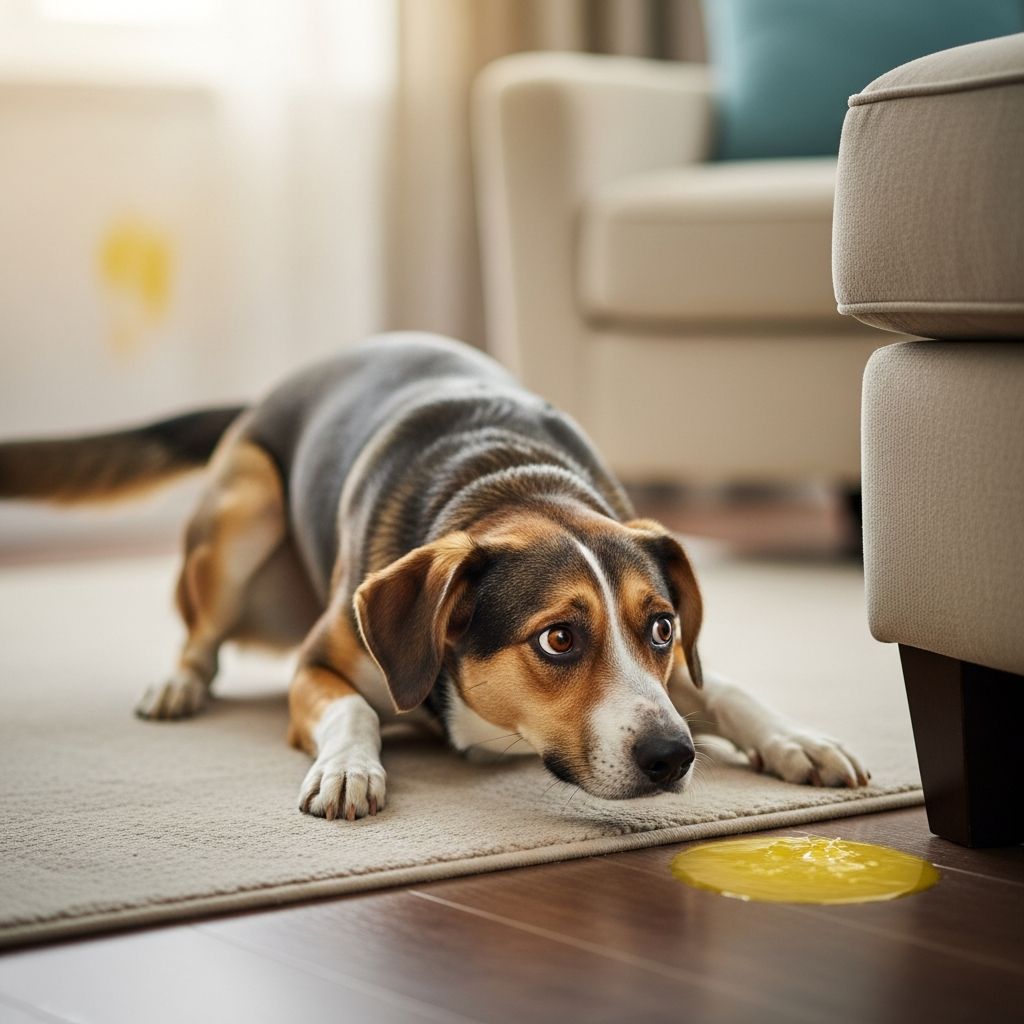
Indoor urine marking by dogs often stems from territorial instincts, stress, or medical issues, but targeted interventions can effectively resolve it. This guide outlines comprehensive approaches to identify causes and implement solutions for a marking-free home.
Understanding the Roots of Indoor Urine Marking
Dogs use urine to communicate territory, status, or emotional states, with small squirts distinguishing marking from full elimination. Common triggers include new environments, household changes like additions of pets or people, or anxiety from external stimuli such as passing animals outside windows.
Distinguishing marking from housetraining lapses or health problems is crucial. Marking typically involves leg-lifting and minimal urine volume on vertical surfaces, whereas accidents are larger puddles on horizontal areas.
First Step: Rule Out Health Concerns
Before behavioral fixes, consult a veterinarian for a full exam including blood work, chemistry panels, and urinalysis. Conditions like urinary tract infections, diabetes, or kidney issues mimic marking by causing frequent small urinations.
Intact dogs face heightened risks due to hormones; studies indicate neutering reduces marking by 90% in 25-40% of cases, though established habits may persist.
Deep Cleaning to Break the Cycle
Residual odors signal dogs to remark spots. Enzymatic cleaners digest urine proteins, eliminating scents undetectable by humans. Brands like Nature’s Miracle or Simple Solution are effective; apply per label instructions and use blacklights to find hidden stains.
Avoid ammonia-based products, as their scent resembles urine and encourages repeat marking. For persistent issues, multiple applications or professional steam cleaning may be needed.
Environmental Management Techniques
Limit access to marked zones using baby gates, closed doors, or plastic runners on furniture. Block views of outdoor triggers like stray animals with curtains or window films.
Reclaim spaces by feeding, treating, or playing in previously marked areas to associate them with positive experiences rather than territory.
Practical Access Control Methods
- Install baby gates at doorways to high-mark zones.
- Use furniture covers or aluminum foil on sofas to deter leg-lifting.
- Secure cabinets holding guest items or new objects that prompt marking.
- Confine unsupervised dogs to crate or puppy-proofed rooms.
Neutering and Spaying: Hormonal Intervention
For unaltered dogs, sterilization is highly recommended, ideally before maturity around 6-12 months. It curbs instinctual urges in most cases, though adult dogs with ingrained habits require additional training.
In multi-pet homes, spay females too, as heat cycles provoke males. Discuss timing and benefits with your vet.
Temporary Protection with Belly Bands
Belly bands—washable wraps for males—contain urine during management, preventing household damage while addressing roots. Change daily, clean the dog’s skin with pet wipes to avoid infections, and use as a bridge, not permanent fix.
Reducing Anxiety and Stress Triggers
Anxiety from routine disruptions or conflicts drives marking. Identify cues like visitor arrivals or pet rivalries.
Counter with pheromone diffusers (e.g., Adaptil), calming supplements, or vet-prescribed medications for severe cases. Obedience training during triggers redirects focus.
Anxiety Management Tools
| Method | Description | Benefits |
|---|---|---|
| Pheromone Diffusers | Plug-in devices mimicking maternal calming scents | Reduces marking in new or stressful homes |
| Calming Supplements | Nutraceuticals with L-theanine or chamomile | Supports mild anxiety without sedation |
| Training Redirects | Commands like ‘sit’ during triggers | Builds confidence and focus |
Reinforcing Proper Housetraining
Revisit basics: frequent outdoor potty breaks, praise for elimination outside, and close supervision indoors. Tether the dog to you or use crate training to prevent opportunities.
Consistency prevents confusion between marking and accidents.
Multi-Dog Household Dynamics
Conflicts amplify marking; resolve by separate feeding spaces, structured introductions, and equal attention. Neutering all pets minimizes hormonal tensions.
Long-Term Prevention Strategies
Combine methods: clean thoroughly, manage environment, address anxiety, and train consistently. Monitor progress weekly; if unchanged after 4-6 weeks, seek a veterinary behaviorist.
Frequently Asked Questions
Will neutering always stop marking?
No, it succeeds in many but not all cases, especially if habits are learned post-maturity. Pair with other strategies.
How do I find all marked spots?
Use a blacklight in dark rooms; urine fluoresces yellow-green.
Is marking a sign of poor training?
Not always; it differs from accidents and often signals instinct or stress.
Can female dogs mark indoors?
Yes, though less common than males, especially if intact or anxious.
What if cleaning doesn’t work?
Reapply enzymatic cleaner, ensure full saturation, and allow drying time. Consider professional services.
References
- How To Stop a Dog From Marking in the House — Zoetis Petcare. 2023. https://www.zoetispetcare.com/blog/article/stop-dog-marking-house
- Dog Marking and Peeing in the House: Causes and How to Stop It — Best Friends Animal Society. 2023. https://bestfriends.org/pet-care-resources/dog-marking-and-peeing-house-causes-and-how-stop-it
- Marking in Dogs — PetMD. 2024. https://www.petmd.com/dog/behavior/urine-marking-dogs
- Just Ask the Expert: How can I stop dog urine marking house — dvm360. 2022. https://www.dvm360.com/view/just-ask-expert-how-can-i-stop-dog-urine-marking-house
- Dog Marking Territory: 6 Ways To Curb This Behavior — Diggs Pet. 2023. https://www.diggs.pet/blogs/posts/dog-marking-territory-6-ways-to-curb-this-behavior
Similar Articles








Read full bio of Sneha Tete