

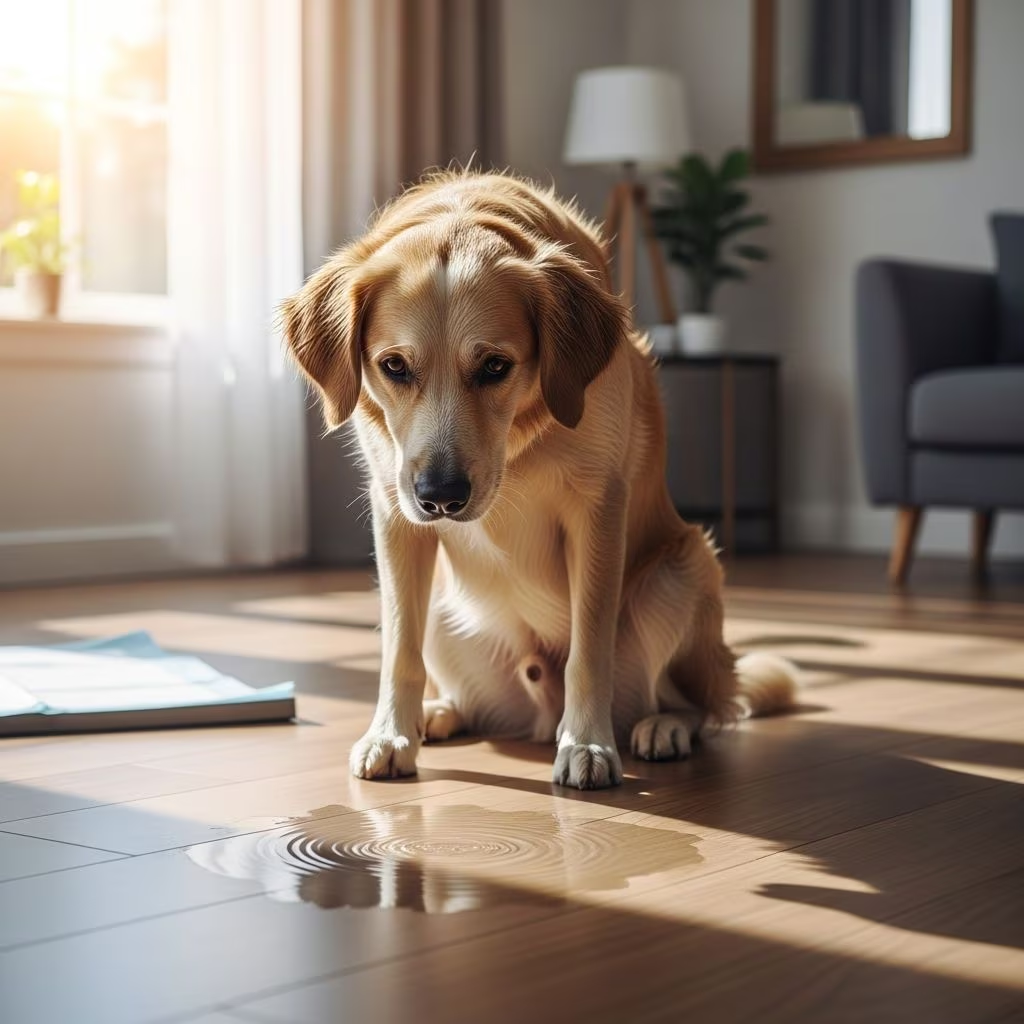
When a dog that has mastered housetraining begins leaving messes indoors, it disrupts household harmony and raises concerns for pet owners. This behavior often stems from underlying issues rather than defiance, requiring systematic investigation and correction to restore cleanliness.
Understanding the Shift from Clean to Messy
Housetrained dogs typically signal needs clearly and hold elimination until outdoors. Sudden indoor soiling signals a change, potentially medical, environmental, or behavioral. Owners must approach this without blame, focusing on root causes to facilitate quick resolution.
Common triggers include health complications prompting urgency, medication side effects increasing output, heightened anxiety from life changes, or lapses in daily schedules extending hold times beyond capacity. Recognizing these allows targeted interventions, preventing escalation into habits.
Prioritizing Health Evaluations
The first step involves ruling out medical conditions. Infections in the urinary tract cause frequent, uncontrollable urges, while metabolic disorders like diabetes elevate thirst and urination volume. Gastrointestinal problems lead to urgent defecation needs.
Schedule a veterinary exam immediately for urinalysis, bloodwork, and fecal tests. Early detection treats root issues, often resolving soiling swiftly. For instance, antibiotics clear infections, restoring control.
- Observe frequency, volume, and appearance of accidents for vet clues.
- Note accompanying symptoms like lethargy or excessive drinking.
- Follow up post-treatment to confirm behavioral return to normal.
Assessing Medication Impacts
Prescription drugs for inflammation, allergies, or pain can boost fluid intake or loosen stools. Steroids exemplify this, heightening urination. Discuss current regimens with your vet; dosage tweaks or alternatives may eliminate side effects without compromising health.
Over-the-counter supplements warrant review too. Track soiling onset relative to new administrations for patterns, aiding professional adjustments.
Detecting Anxiety and Stress Signals
Environmental shifts—new household members, renovations, or absences—elevate cortisol, impairing bladder and bowel control. Fear of outdoor noises or surfaces may drive indoor preferences.
Install cameras to capture episodes, noting preceding events like doorbells or solitude. Reduce stressors by maintaining predictability, providing comfort items, and gradually desensitizing triggers through counterconditioning with treats.
| Stress Trigger | Signs Observed | Management Strategy |
|---|---|---|
| Loud noises | Trembling, pacing before soiling | White noise machines, safe den areas |
| Owner absence | Soiling near doors | Gradual alone-time training, puzzle toys |
| Schedule changes | Inconsistent timing | Fixed routines, midday breaks |
Refining Daily Schedules
Extended work hours or errands delay relief opportunities, overwhelming even trained bladders. Puppies hold 1 hour per month of age; adults vary by size and health, generally 6-8 hours max.
Institute rigid potty walks: post-meals, naps, play. Engage dog walkers or neighbors for midday relief if needed. Scheduled feeding prevents random outputs, syncing elimination predictably.
Implementing Retraining Protocols
Post-medical clearance, revert to puppy basics. Constant supervision via tethering or baby gates prevents unsupervised errors. Crate during absences leverages den instinct, avoiding soiling in sleeping areas.
Praise and reward outdoor success lavishly. Interrupt indoor acts gently—clap, rush outside—without punishment, which fosters fear. Clean accidents with enzymatic cleaners to erase scents attracting repeats.
- Confine unsupervised, offering potty access every 2-4 hours initially.
- Escalate freedom gradually after 8 clean weeks.
- Block prior soiled spots with furniture or repellents.
Nutrition and Digestive Support
Diet transitions cause upsets; switch gradually over 7-10 days. Probiotics stabilize gut flora, minimizing diarrhea risks. Avoid free-feeding; timed meals control timing.
Long-Term Prevention Tactics
Sustain training with annual vet checkups, stress monitoring, and routine adherence. Senior dogs merit frequent outs due to weakening control. Multi-dog homes require individual assessments.
Enrich environments with exercise, mental stimulation to buffer anxiety. Track progress in journals, adjusting as life evolves.
Frequently Asked Questions
Why does my older dog suddenly soil indoors?
Aging reduces sphincter strength; cognitive decline mimics dementia. Vet exams detect arthritis hindering outdoor access or infections.
Is punishment effective for house soiling?
No— it induces anxiety, worsening issues. Positive reinforcement builds desired habits faster.
How long until retraining succeeds?
Weeks to months, depending on cause severity. Consistency yields 8-week clean streaks signaling success.
Can weather cause indoor accidents?
Yes, rain or cold deters outs. Provide covered areas or indoor pads temporarily while desensitizing.
What if medical tests are normal?
Consult behaviorists for anxiety protocols like desensitization or medications.
References
- 5 Ways to Prevent Your Housetrained Dog from Soiling the House — Whole Dog Journal. 2018-07-06. https://www.whole-dog-journal.com/training/house_training/5-ways-to-prevent-your-housetrained-dog-from-soiling-the-house/
- Canine House Soiling: Back to Basics — Today’s Veterinary Practice. N/A. https://todaysveterinarypractice.com/behavior/canine-house-soiling-back-basics/
- Dog Behavior Problems — House Soiling — Humane Society of Missouri. N/A. https://hsmo.org/portfolio-item/dog-behavior-problems-house-soiling/
- Dog Behavior Problems – House Soiling — VCA Animal Hospitals. N/A. https://vcahospitals.com/know-your-pet/dog-behavior-problems-house-soiling
- Dog Pooping in the House: Why It’s Happening and What To Do — PetMD. N/A. https://www.petmd.com/dog/behavior/dog-pooping-house-why-and-what-do
- Housetraining Puppies & Dogs — American Humane Society. N/A. https://www.americanhumane.org/public-education/housetraining-puppies-dogs/
- Re-Housetraining Your Adult Dog — Oregon Humane Society. N/A. https://www.oregonhumane.org/portland-training/re-housetraining-your-adult-dog/



