

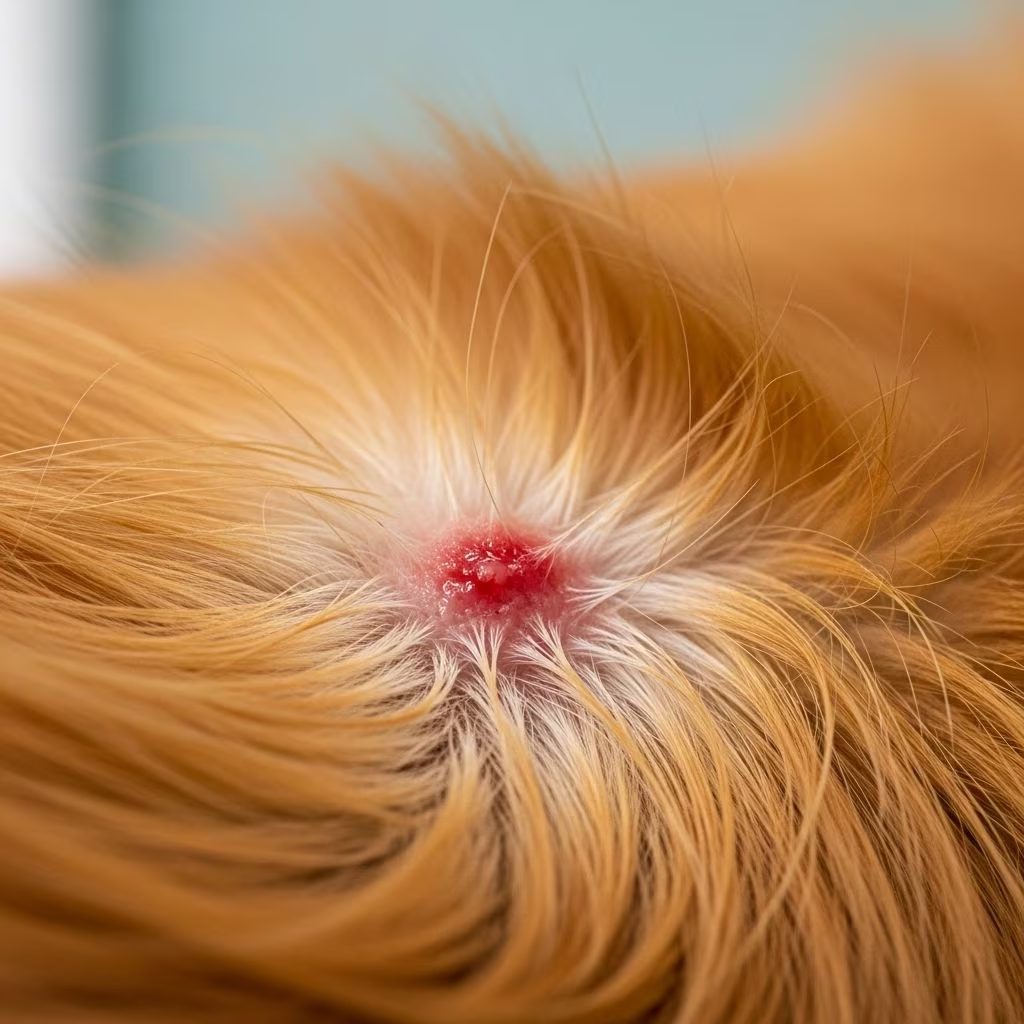
Hot spots, also known as acute moist dermatitis, represent a common yet painful skin condition in dogs that can escalate rapidly if not addressed. These red, inflamed areas often start from minor irritations but lead to intense itching, self-trauma, and secondary infections due to a dog’s instinctive licking and scratching. Understanding their formation, prompt intervention, and proactive prevention is crucial for every dog owner aiming to maintain their pet’s comfort and well-being.
Recognizing the Signs of Hot Spots in Dogs
Early detection is key to minimizing damage from hot spots. These lesions typically appear as circular, moist, red patches on the skin, often on the head, hips, or limbs. They feel warm to the touch—hence the name “hot spots”—and may ooze pus if infected. Dogs exhibit behaviors like frantic chewing, biting, or rubbing against surfaces, signaling acute discomfort.
- Visual cues: Bright red, weeping sores with raised edges and possible hair loss around the area.
- Behavioral indicators: Excessive licking, scratching, or vocalizing in distress.
- Common locations: Cheeks, ears, paws, tail base, and thighs where access is easiest for self-trauma.
Unlike dry, flaky skin from chronic allergies, hot spots develop suddenly, often within hours, making vigilance during warm, humid seasons essential. Factors like insect stings or small wounds can trigger them, but underlying issues amplify risk.
Immediate Steps for Hot Spot Treatment at Home
When you spot a hot spot, act swiftly to halt progression. The goal is to clean the area, reduce inflammation, and prevent further aggravation without promoting moisture buildup.
- Restrain access: Fit your dog with an Elizabethan collar (cone) immediately to block licking or biting. This simple barrier allows air circulation vital for drying the lesion.
- Trim surrounding fur: Use clippers or scissors to remove hair over and around the spot, creating a wide margin. This exposes the skin to air, prevents matting, and eases cleaning. Sedation may be needed if painful.
- Clean gently: Rinse with cool water or a mild antiseptic like chlorhexidine solution. Pat dry thoroughly—avoid bandages that trap moisture.
For mild cases, apply pet-safe topicals such as 1% hydrocortisone cream (3-4 times daily) or antibiotic ointments like Neosporin cream (not ointment). Natural options like aloe vera or coconut oil offer soothing antibacterial effects but work best combined with antiseptics.
| Topical Remedy | Application Frequency | Benefits | Cautions |
|---|---|---|---|
| Chlorhexidine solution | 2-3 times daily | Antibacterial, promotes drying | Dilute per instructions; rinse if irritation occurs |
| 1% Hydrocortisone cream | 3-4 times daily | Reduces itch and swelling | Avoid eyes/mouth; not for steroid-sensitive dogs |
| Coconut oil | 2 times daily | Moisturizes, fights bacteria | May attract licking; use sparingly |
| Aloe vera (pet-safe) | 2-3 times daily | Soothing, anti-inflammatory | Ensure no xylitol or toxins |
Monitor progress daily. Improvement should show within 24-48 hours: reduced redness, no pus, and less dog interest in the area. Oral antihistamines like diphenhydramine (Benadryl, dosed by weight) can curb itching, but consult a vet first.
Understanding Root Causes Behind Hot Spots
Hot spots rarely occur in isolation; they stem from triggers that provoke initial itching or injury. Identifying and resolving these prevents recurrence.
- Parasites: Fleas, ticks, and mites cause allergic reactions leading to bites. Year-round prevention is non-negotiable.
- Allergies: Food, environmental pollen, or contact allergens spark widespread itchiness, culminating in hot spots.
- Moisture and matting: Wet fur from swimming, baths, or rain mats, trapping bacteria.
- Boredom or stress: Compulsive licking from lack of stimulation mimics itch cycles.
- Other factors: Ear infections, anal gland issues, or wounds.
Breeds with thick or double coats (e.g., Golden Retrievers, Labradors) are prone due to poor drying. Seasonal spikes occur in summer from heat and water exposure.
Comprehensive Prevention Strategies for Lasting Relief
Prevention outperforms treatment. A multi-layered approach addresses vulnerabilities holistically.
Parasite and Hygiene Protocols
Administer vet-recommended flea/tick preventives monthly. Routine grooming—brushing, bathing with medicated shampoos—removes debris and detects issues early. Dry coats completely post-swim or bath using towels and low-heat blow dryers.
Nutrition and Supplements
Omega-3 fatty acids from fish oil bolster skin barriers, reducing inflammation. Aim for high-quality sources like salmon oil, dosed per label or vet advice. Hypoallergenic or raw diets may help allergy-prone dogs.
Environmental and Lifestyle Adjustments
- Increase exercise and mental enrichment (puzzle toys, training) to combat stress-induced licking.
- Regular ear checks and tail lifts reveal hidden problems.
- Seasonal grooming thins dense coats for better airflow.
Table of breed-specific risks:
| Breed Group | High-Risk Breeds | Key Prevention Focus |
|---|---|---|
| Retrievers | Labrador, Golden | Post-swim drying, flea control |
| Spaniels | English Springer, Cocker | Ear cleaning, allergy testing |
| Herders | Border Collie, Aussie | Stress reduction, grooming |
| Hounds | Beagle, Basset | Parasite prevention, diet trials |
When to Escalate to Professional Veterinary Care
Home remedies suffice for small, fresh hot spots, but seek a vet if:
- No improvement in 48 hours or worsening (fever, lethargy, spreading).
- Multiple/large lesions or signs of deep infection (pus, foul odor).
- Frequent recurrences signaling allergies or other conditions.
Vets may prescribe oral antibiotics, steroids, or allergy meds. Diagnostics like skin scrapes or food trials uncover causes. Costs vary, but early intervention saves money long-term.
FAQs: Hot Spots in Dogs
What is a hot spot on a dog?
A hot spot is a rapidly developing, inflamed skin lesion from itching and moisture, often infected secondarily.
Can I use human Neosporin on my dog’s hot spot?
Yes, the cream version is safe for healthy dogs; apply sparingly and prevent licking.
How long do hot spots take to heal?
With proper care, 3-7 days; deeper ones may need 10-14 days under vet supervision.
Are hot spots contagious to other dogs or humans?
No, but bacterial spread via shared items is possible; isolate if needed.
Can diet prevent hot spots?
Yes, omega-rich foods and hypoallergenic diets reduce allergy triggers.
Long-Term Skin Health for Your Dog
Sustaining healthy skin demands consistency. Track patterns in a journal: season, activities, diet changes correlating with outbreaks. Annual vet checkups, including allergy panels, catch brewing issues. By integrating grooming, nutrition, and monitoring, hot spots become rare interruptions rather than recurrent nightmares. Your proactive care translates to a happier, more active companion.
References
- Hot Spots on Dogs: Causes, Treatments, and Home Remedies — GoodRx. 2023. https://www.goodrx.com/pet-health/dog/hot-spot-treatment-for-dogs-at-home
- Hot Spot Treatments and Prevention on Dogs — American Kennel Club. 2023-10-12. https://www.akc.org/expert-advice/health/hot-spots-on-dogs/
- First Aid for Hot Spots in Dogs — VCA Animal Hospitals. 2024. https://vcahospitals.com/know-your-pet/first-aid-for-hot-spots-in-dogs
- Hot Spots on Dogs — Small Door Veterinary. 2023. https://www.smalldoorvet.com/learning-center/what-to-do/hot-spot-in-dogs
- Treating Hot Spots on your dog — FurEver Friends of North Carolina. 2022. https://fureverfriendsnc.org/treating-hot-spot-on-your-dog/
- Hot spots — Cornell University College of Veterinary Medicine. 2024. https://www.vet.cornell.edu/departments-centers-and-institutes/riney-canine-health-center/canine-health-topics/hot-spots



