

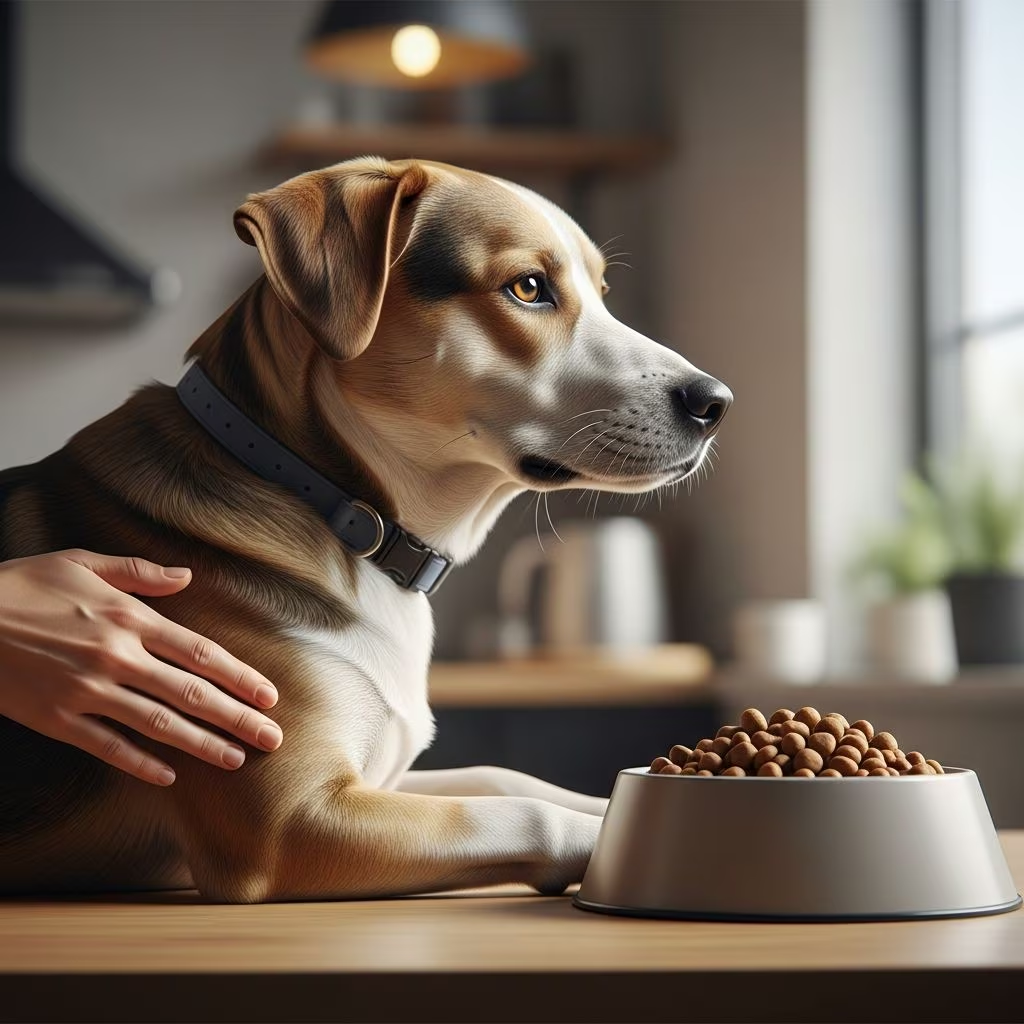
How to Stop Food Aggression and Resource Guarding in Dogs
Food aggression in dogs is a form of resource guarding or possessiveness, which is a natural, normal behavior in many canines. Beyond food, some dogs will guard any valued item or space: food bowls, toys, beds, couches, and other possessions. However, resource guarding can become dangerous if a dog becomes defensive toward a person or other animal. When a dog is a serious guarder, you can easily get bitten trying to take something away from them. Therefore, it’s important to take measures to manage the behavior for everyone’s safety. Resource guarding can also be problematic if the dog has gotten ahold of toxic food or another hazardous object, making it essential to address this behavior for both the dog’s and others’ safety.
Understanding Resource Guarding in Dogs
Resource guarding is a territorial behavior where dogs become possessive over items they value. This behavior develops for various reasons and can manifest in different ways depending on the individual dog. Understanding what triggers resource guarding is the first step in managing and correcting this behavior effectively. Dogs may guard anything they perceive as valuable, whether it’s their food bowl, a favorite toy, a sleeping spot, or even their owner’s attention.
Signs and Symptoms of Resource Guarding
Recognizing the signs of resource guarding is crucial for early intervention. Dogs display several warning signals when they feel threatened over their possessions:
– Stiff body language, becoming tense while eating or when someone approaches their food- Lunging at people or other animals who get too close to their food- Showing teeth, including baring teeth, when someone approaches their food- Eating quickly or frantically to prevent others from accessing their meals- Becoming possessive over food or treats and not allowing anyone to approach- Displaying aggression toward other dogs when they try to eat or approach the guarded item- Refusing to share food or treats with people or other animals
These behaviors range from mild displays like stiffening to serious threats like lunging or showing teeth. The severity of the behavior can vary significantly from dog to dog, and some dogs may progress from mild warning signs to more serious aggression if the underlying issue isn’t addressed.
Common Causes of Food Aggression
Medical Issues
Before attempting any behavioral modification, it’s essential to visit a veterinarian for a health check if guarding is a new behavior. Sudden behavior changes in dogs can often indicate an underlying medical condition that requires professional attention. Pain, discomfort, or nutritional deficiencies may trigger or intensify food guarding behaviors. A veterinary examination can rule out health issues and ensure that any behavioral interventions are appropriate for your dog’s current health status.
Genetic Predisposition
Some canine breeds are more prone to resource-guarding behavior than others. Breeds such as the Cane Corso and the Akita are known to be more territorial and protective of their resources, including food. While genetics can play a role in a dog’s behavior, it is essential to remember that genetics is not the sole element determining whether a dog will guard resources. Proper training, socialization, and environmental management can help counteract genetic predispositions.
Anxiety and Stress
Anxiety and stress can significantly influence food aggression in dogs. If a dog is anxious or stressed about its food supply, it may become territorial and hostile toward anyone who tries to take its food away. Dogs that have experienced food scarcity in the past, whether in shelters or as strays, may be particularly prone to this type of anxiety-driven guarding. Additionally, dogs living in stressful environments or experiencing separation anxiety may develop or worsen resource guarding behaviors as a manifestation of their underlying anxiety.
Lack of Proper Training and Socialization
If a dog has never been taught to share its food or treats, it may become possessive and aggressive when someone tries to take them away. Appropriate training and socialization are necessary for managing resource guarding. Dogs that have not been properly socialized with different people and environments may be more likely to develop guarding behaviors. Early intervention through proper training and positive socialization experiences can prevent resource guarding from developing in puppies.
Prevention Strategies for Food Aggression
Step-by-Step Prevention Protocol
If your dog has not shown any signs of food guarding, you can implement preventative measures. Start by using just a few pieces of kibble in the bowl. Take the bowl away and add a treat to the kibble—something your dog likes even more than kibble, such as a small spoonful of wet food. Give the bowl back to the dog to eat. Practice this routine five times using just a few pieces of kibble each time, adding only a small amount of wet food or a small treat.
If your dog shows no signs of guarding during this initial phase, proceed to the next step. Stand up and remove the bowl from the floor. Add a morsel of wet food and return the bowl to the dog. Repeat this five times. If the dog becomes uncomfortable at any point during these steps, back up to the step where they were relaxed and gradually work forward from that step again.
Trading and Exchange Training
Teaching your dog to trade items is an effective prevention strategy. On the second day, move to a slightly more valuable item. Do five trades (accompanied by “take it” and “give it” cues) three times throughout the day. On the third day, put a more valuable item on the floor and bring the dog’s attention to it. After the dog takes the item, ask them to trade (“give it”) for a higher-value item. If your dog shows no signs of guarding, you can practice this routine a few times.
Management Techniques for Existing Food Aggression
Hand-Feeding Method
To manage guarding behavior, hand-feeding is an effective technique that changes the association of hands near your dog’s food from negative to positive. Stop using a food bowl and start hand-feeding all meals to the dog, giving just a few pieces of kibble at a time. This approach helps build trust and teaches your dog that hands approaching their food mean good things are happening.
Desensitization Training
Desensitization involves exposing your dog to situations that trigger food aggression in a controlled and gradual manner. Start by having someone approach your dog while it’s eating and offering a high-value treat. Repeat this several times, gradually getting closer to your dog until you can take the food away without any aggression. This process requires patience and should be done in small increments to avoid overwhelming or triggering your dog.
The Trading Exchange Protocol
The trading method teaches your dog to always expect something better, making it worth trading away guarded items. Practice for three days—doing six approaches daily. Each day, change the low-value item to a different low-value item. After three days of practice, approach the dog and hold out an object that she has guarded in the past (a high-value item), but don’t allow her to take it. Say “give” as if you are asking for the item and take the item away while handing her a small yummy treat.
Again, practice six approaches each day for three days, changing the item each day to a different high-value item that the dog has guarded before. After this phase, approach and hand her one of the high-value items that you have used before. Walk away at least six feet and wait two minutes. Then, take a deep breath, relax, smile and approach the dog. Say “give,” take the item, and hand her a small yummy treat.
Finally, lay all the high-value items on the floor and wait for the dog to settle on one. Then, approach with a small treat tucked in your hand. Practice six approaches, exchanging the high-value item for the small treat. Between approaches, remember to walk away and wait two minutes before approaching again.
Creating a Safe Feeding Environment
Designating Safe Spaces
Create a safe space for your dog to eat its meals without feeling threatened. This can be a separate room or a designated area in your home where your dog feels comfortable and secure. When dogs have their own designated feeding area away from interruptions, they feel less need to guard their resources. This environmental modification can significantly reduce anxiety and guarding behaviors.
Using Puzzle and Slow Feeders
Using puzzle feeders or slow feeders can help reduce food aggression in dogs. These feeders make it more challenging for dogs to eat quickly, which can reduce anxiety and aggression associated with rapid consumption. Additionally, they provide mental stimulation for your dog, which is essential for its overall well-being. The slower eating pace allows dogs to be calmer during mealtime.
Establishing Routine and Boundaries
Dogs thrive on routine, and establishing a regular feeding schedule can help reduce anxiety and uncertainty around mealtime. When dogs know exactly when they will be fed, they experience less stress. Additionally, teach your dog to respect boundaries when it comes to food by setting rules around mealtimes and treats and reinforcing them consistently. Boundaries should be established through positive reinforcement rather than punishment.
Positive Training Approaches
Avoiding Punishment
Scolding your dog for food aggression can make the behavior worse. Instead, emphasize positive reinforcement training. Reward your dog for good behavior and gradually increase the time you spend around its food bowl. Never take away your dog’s food bowl as punishment, as this can intensify guarding behaviors and create fear around mealtime.
Teaching Share Commands
Teaching your dog to share its food and treats is essential in managing food aggression. Start by training your dog to sit and wait before giving it food. Gradually increase the time between the sit command and the food delivery. This will help your dog learn to wait patiently for its food. Teaching the “leave it” command can also be beneficial—this command can be used to communicate to the dog to back away from its food bowl when prompted, which can help lower food aggression over time.
Monitoring and Adjusting
Pay attention to your dog’s behavior during mealtimes and treats. If you notice any signs of aggression, stop the interaction and try again later. Forcing interactions when your dog is showing stress can backfire and reinforce the guarding behavior. Progress at your dog’s pace, celebrating small victories along the way.
Socialization and Behavioral Support
Proper Socialization
Proper socialization can help reduce anxiety and stress in dogs, which can contribute to food aggression. Expose your dog to different people, dogs, and environments to help it become more comfortable and confident. Well-socialized dogs that have positive experiences with people and other dogs are less likely to develop or maintain resource guarding behaviors. Early socialization is particularly important for puppies.
Professional Help
If you’re struggling to manage your dog’s food aggression or if the behavior is severe, seek assistance from a professional dog trainer or behaviorist. They can assess your specific situation and create a tailored management plan. Severe resource guarding can be dangerous, and professional guidance ensures you’re taking the right approach for your dog’s individual needs.
Summary of Management Strategies
| Strategy | Method | Duration | Expected Outcome |
|---|---|---|---|
| Hand-Feeding | Feed kibble pieces by hand to build positive association | Ongoing | Dogs learn hands near food are positive |
| Trading Protocol | Exchange items for higher-value treats | 9-15 days minimum | Dog learns guarded items will be returned |
| Desensitization | Gradually approach dog while eating | Several weeks | Reduced anxiety around eating |
| Safe Space Feeding | Separate designated eating area | Ongoing | Reduced territorial behavior |
| Routine Establishment | Consistent feeding schedule | Ongoing | Decreased mealtime anxiety |
Frequently Asked Questions
Q: Is resource guarding a sign that my dog is aggressive?
A: Resource guarding is a natural behavior in dogs, but it can become problematic if it escalates to actual aggression. Early intervention through training and management can prevent escalation.
Q: How long does it take to stop food aggression?
A: The timeline varies depending on the severity of the behavior and your dog’s individual temperament. Some dogs may show improvement within weeks, while others may require months of consistent training. Patience and consistency are key.
Q: Can I punish my dog for food aggression?
A: No. Punishment typically makes food aggression worse by increasing fear and anxiety. Focus on positive reinforcement instead, rewarding calm behavior around food.
Q: Should I remove my dog’s food bowl if they show signs of guarding?
A: No. Removing the food bowl as punishment can intensify guarding behavior. Instead, use the management strategies outlined above to help your dog feel secure.
Q: What should I do if my dog becomes suddenly aggressive over food?
A: First, consult a veterinarian to rule out medical issues, as sudden behavior changes often indicate health problems. Once medical issues are excluded, implement the management strategies gradually and consider working with a professional trainer.
Q: Can all dogs learn to stop resource guarding?
A: Most dogs can improve with consistent training and management, though some may always be prone to guarding. The goal is to minimize the behavior and keep everyone safe rather than eliminate it completely in some cases.
Conclusion
Dog food aggression is a common issue that can be caused by a variety of factors including medical conditions, anxiety, genetics, and lack of training. While it can be dangerous if left unaddressed, it is possible to manage this behavior through a combination of environmental changes, positive training techniques, and behavioral modification. By identifying the underlying cause of the aggression and working with a professional as needed, it is possible to help your dog feel safe and secure during mealtime and reduce the risk of harm to themselves or others.
The key to success is patience, consistency, and positive reinforcement. Start with prevention if your dog hasn’t shown guarding signs, or begin with the appropriate management strategy if your dog already displays resource guarding. Remember that this is a gradual process, and celebrating small improvements along the way will help maintain your motivation. With dedication to these proven techniques, you can help your dog overcome food aggression and create a safer, more harmonious household for everyone.
References
- Understanding Dog Food Aggression and How to Manage It — Best Friends Veterinary Services. Accessed 2025-11-28. https://bestfriendsvet.org/blog/dog-food-aggression/
- Food Aggression in Dogs: Management — Best Friends Animal Society. Accessed 2025-11-28. https://bestfriends.org/pet-care-resources/food-aggression-dogs-management
- How to Stop Food Aggression and Resource Guarding in Dogs — Best Friends Animal Society. Accessed 2025-11-28. https://bestfriends.org/pet-care-resources/how-stop-food-aggression-and-resource-guarding-dogs
- Dog Body Language: Signs of Comfort, Stress, and More — Best Friends Animal Society. Accessed 2025-11-28. https://bestfriends.org/pet-care-resources/dog-body-language-signs-comfort-stress-and-more
- Dog Aggression: Signs, Causes, and How to Manage — Best Friends Animal Society. Accessed 2025-11-28. https://bestfriends.org/pet-care-resources/dog-aggression-signs-causes-and-how-manage



