

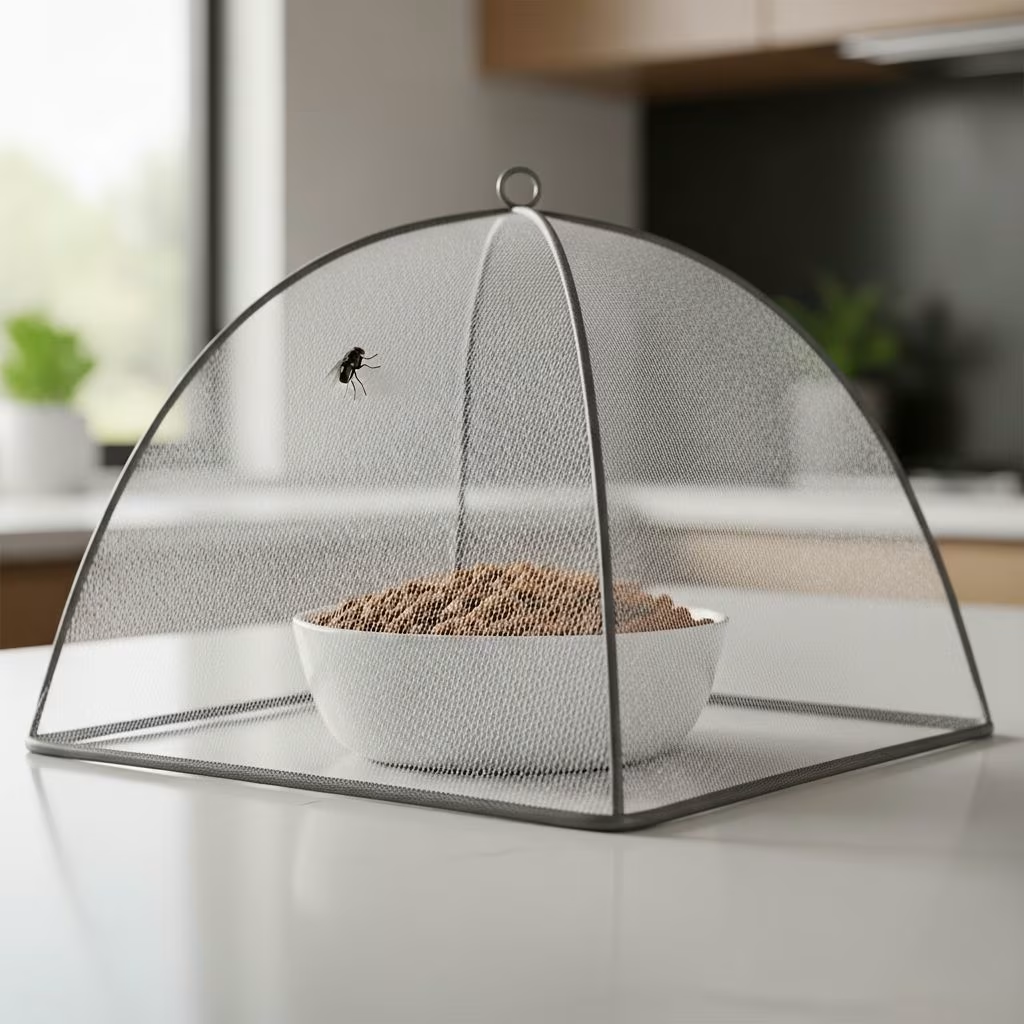
Flies are a common nuisance around pet food, especially wet cat food left out for grazing cats. These insects are drawn to the moisture and nutrients, quickly laying eggs that can hatch into maggots. This not only spoils the food but poses serious health risks to your cat, including bacterial infections and parasitic infestations. Preventing flies from accessing cat food requires simple, effective strategies like optimal food placement, protective covers, traps, and diligent cleaning. This comprehensive guide covers why it happens, the dangers involved, and step-by-step solutions to keep your cat’s meals safe and fresh.
Why Do Flies Lay Eggs in Cat Food?
Flies, particularly common house flies and blow flies, are attracted to cat food due to its high moisture content, proteins, and fats—ideal for reproduction. Female flies can lay up to 150 eggs at a time on moist, organic matter like uneaten wet food. In warm conditions, these eggs hatch within hours into larvae (maggots), which feed on the food and multiply rapidly. Wet food left exposed during summer or in humid environments degrades faster, emitting odors that lure flies from nearby areas like litter trays or outdoor waste.
Cats that graze throughout the day exacerbate the issue, as food sits out longer. Unlike dry kibble, wet food’s texture mimics decaying matter, a natural fly breeding ground. Flies detect these scents from afar and zero in on bowls left in direct sunlight or warm rooms. Understanding this behavior is key to prevention: flies need just minutes to deposit eggs, turning fresh food into a potential hazard overnight.
The Risks of Fly Eggs and Maggots in Cat Food
Discovering tiny white eggs or wriggling maggots in your cat’s bowl is alarming—and for good reason. Fly eggs can carry pathogens like Salmonella and E. coli, leading to gastrointestinal upset, vomiting, or diarrhea in cats that ingest them. Maggots, the larval stage, consume bacteria while growing, concentrating contaminants in the food. In severe cases, cats may develop myiasis (fly strike), where flies lay eggs on wounds or soiled fur, though food contamination is a primary entry point.
- Bacterial infections: Flies transfer germs from feces, garbage, or other decaying sources to fresh food.
- Parasitic risks: Maggots can introduce fly larvae parasites, causing intestinal distress.
- Food spoilage: Eggs accelerate rotting, reducing nutritional value and causing waste.
- Toxicity potential: Spoiled food may produce toxins harmful to feline digestion.
Indoor cats are not immune; flies enter homes through open windows or doors. Prompt removal prevents escalation, but repeated exposure stresses cats and increases vet visits. Veterinary sources emphasize that while most incidents cause mild issues, kittens, seniors, or immunocompromised cats face higher risks.
Best Locations for Cat Food Bowls to Avoid Flies
Strategic placement is the first line of defense. Serve food in a cool, shaded indoor room away from direct sunlight, which speeds spoilage. Keep bowls at least 3 meters from litter trays, as urine and feces odors attract flies. Elevate bowls on stands or pallets to deter crawling insects and reduce ground moisture.
| Ideal Location Features | Why It Works | Avoid |
|---|---|---|
| Cool, ventilated room | Slows food degradation | Sunny windowsills |
| Far from litter/garbage | Reduces fly attractants | Kitchen trash areas |
| Elevated surface | Blocks ants/flies | Floor level |
| Screened enclosure | Physical barrier | Open outdoor spots |
Use feeding stations with roofs for outdoor or feral cats. Indoors, a dedicated ‘cat kitchen’ corner minimizes fly traffic. Monitor room temperature below 24°C (75°F) for best results.
Effective Fly Traps and Natural Repellents
Fly traps placed near—but not touching—food bowls capture pests before they reach meals. Hang fly paper or strips high out of paw reach; they attract and sticky-trap flies effectively. Homemade traps work well: cut the top off a plastic bottle, invert it as a funnel, add water, bait (like overripe fruit or fish), and dish soap to drown entrants. Position 1-2 meters from bowls.
- Commercial traps: UV light or pheromone-based for indoors.
- Natural barriers: Surround bowls with baking soda or food-grade diatomaceous earth (DE)—a non-toxic powder that dehydrates insects. Avoid pool-grade DE.
- Moat method: Place bowl in a shallow water tray; flies can’t cross water.
- Herbal repellents: Basil, lavender, or mint plants near bowls deter without chemicals.
Avoid chemical sprays near food to prevent residue ingestion. Refresh traps weekly and combine with other methods for 90% reduction in fly activity.
Choosing the Right Covered Cat Food Bowls
Covered bowls are game-changers for fly prevention. Opt for microchip-activated feeders like the SureFeed series, which seal after feeding, blocking flies while preventing food theft in multi-cat homes. Manual lidded bowls suffice for singles: silicone seals keep air out, preserving freshness up to 48 hours.
Key features to look for:
- Air-tight seal
- Pet-safe materials (stainless steel, ceramic)
- Easy-open mechanism
- Dishwasher-safe
- Size matching portion (200-300ml for adults)
These reduce waste by 30-50%, as food stays appealing longer. For grazers, program timed openings if tech-enabled. Transition cats gradually to avoid stress.
Cleaning Protocols to Eliminate Fly Eggs
If eggs appear, act fast: discard food in an outdoor bin, never indoors. Scrub bowl with hot soapy water or vinegar solution (1:1 ratio), rinse thoroughly, and dry completely—moisture invites re-infestation. Daily routines prevent buildup:
- Wipe bowls post-meal.
- Remove uneaten wet food within 30-60 minutes.
- Sanitize weekly with pet-safe disinfectant.
- Vacuum feeding area for crumbs.
For maggots, soak in boiling water (if bowl-safe), then bleach solution (1:10), rinse well. Prevention trumps cure: clean environments starve fly cycles.
Preventing Flies Year-Round: Additional Tips
Beyond basics, holistic strategies curb flies:
- Switch seasonally: More dry food in summer; it attracts fewer bugs.
- Home sealing: Repair screens, caulk vents to block entry.
- Portion control: Serve smaller, frequent meals.
- Outdoor management: Clean yard waste daily; use pet-safe fly sprays on surfaces.
- Health checks: Vet-approved flea treatments indirectly reduce fly attraction from parasites.
Monitor for infestations: multiple flies signal breeding sites nearby. Integrate methods for comprehensive protection.
Frequently Asked Questions (FAQs)
What should I do if I find fly eggs in my cat’s food?
Throw away the food in an outdoor bin immediately, clean the bowl thoroughly with hot soapy water or vinegar, and refill with fresh food. Monitor for maggots.
Are fly eggs harmful to cats?
Yes, they can carry bacteria like Salmonella, causing vomiting or diarrhea. Maggots worsen risks; prevent ingestion.
Can I use fly spray near cat food?
Avoid direct sprays; use pet-safe, indirect methods like traps or natural repellents to prevent chemical residue.
How long can wet cat food sit out safely?
Maximum 30-60 minutes in cool conditions; discard sooner in heat to avoid spoilage and flies.
Do covered feeders really stop flies?
Yes, sealed lids block access effectively, keeping food fresh and reducing waste.
Conclusion: Keep Your Cat Safe and Fly-Free
Implementing these strategies—smart placement, traps, covers, and cleaning—eliminates fly eggs from cat food reliably. Your cat enjoys safer meals, you save on waste, and home stays pest-free. Consistency is key; start today for healthier feline living.
References
- How to keep flies off wet cat food — Sure Petcare. 2019-06-20. https://www.surepetcare.com/en-us/advice-news/cat-care/seasonal-cat-care/how-to-keep-flies-off-wet-cat-food
- Deterring Insects — Alley Cat Allies. n.d. https://www.alleycat.org/community-cat-care/deterring-insects/
- Ugh. These Kittens Are Covered in Fly Eggs! — Kitten Lady (YouTube). 2020-08-20. https://www.youtube.com/watch?v=n4dz3HGaWng
- Tiny Bugs in Cat Food Bowl: Causes, Prevention, and Solutions — UAH Pet. n.d. https://www.uahpet.com/blogs/post/tiny-bugs-in-cat-food-bowl-causes-prevention-and-solutions
- How To Keep Flies Off Your Pets — Lambert Vet Supply. n.d. https://www.lambertvetsupply.com/blogs/news/keep-flies-off-your-pets



