

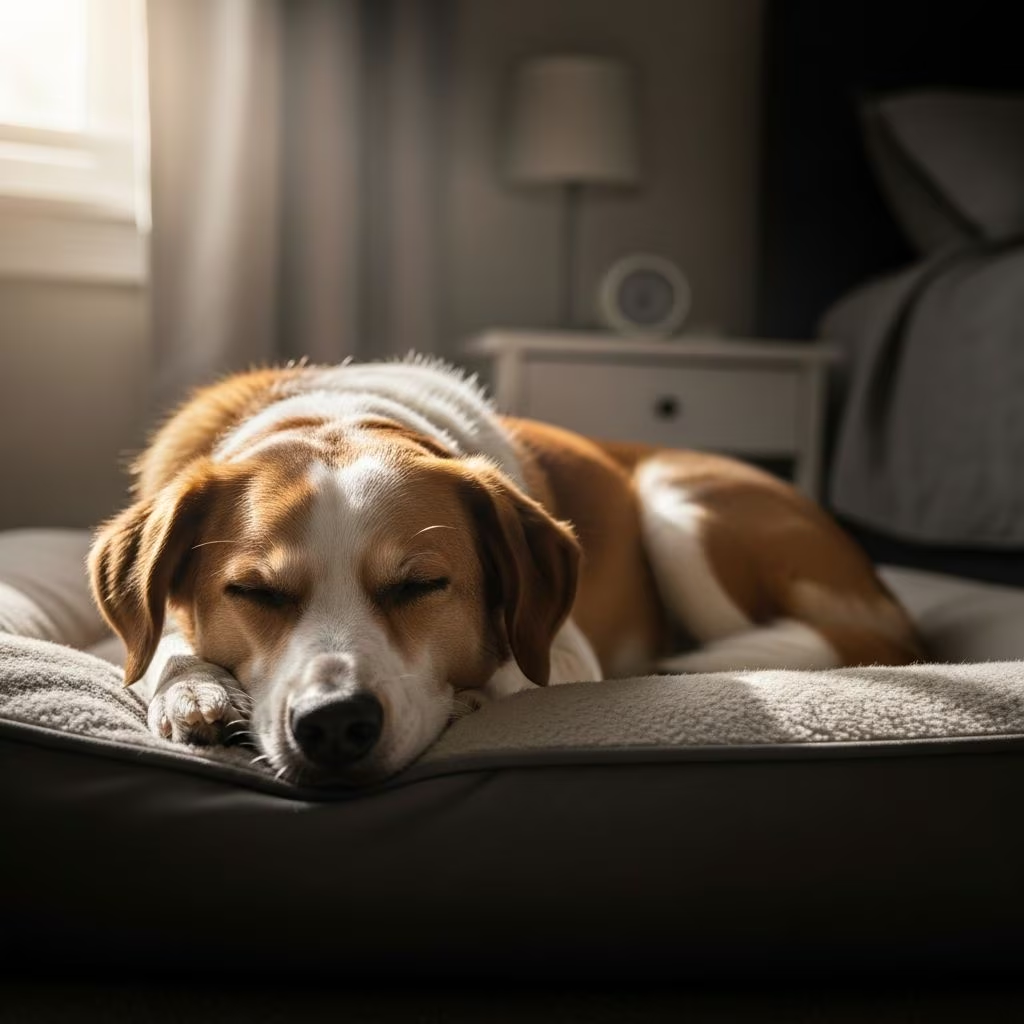
Many dog owners face the frustration of being roused from sleep by a persistent pup well before dawn. This common issue stems from a mix of biological needs, learned behaviors, and environmental factors. By understanding the root causes and implementing targeted adjustments, you can realign your dog’s sleep schedule to match yours, leading to restful nights for everyone in the household.
Understanding Why Dogs Rise Before Dawn
Dogs operate on circadian rhythms influenced by light, hunger, and routine. Early awakenings often signal unmet needs or conditioned habits. For instance, if your dog associates dawn light with activity, they may anticipate walks or meals prematurely.Hunger or thirst prompts nudges for breakfast, while a full bladder after evening water intake demands relief.Boredom or excitement can turn quiet mornings into play requests, especially in high-energy breeds.
External disturbances like birdsong, traffic, or neighbors exacerbate the problem, training dogs to alertness at first sounds. Puppies and seniors may have smaller bladders or age-related sleep shifts, while anxious dogs react to nighttime silence or isolation. Identifying the trigger is the first step to resolution.
Assessing Your Dog’s Daily Patterns
Before changes, track your dog’s schedule for a week. Note sleep times, last potty breaks, meal hours, exercise, and wake-ups. This reveals patterns: Does early rising follow late dinners or insufficient evening play? Use a simple journal to log details.
- Record bedtime and wake-up times precisely.
- Track food/water intake and output needs.
- Note environmental factors like room light or noise.
This data pinpoints issues, such as digestion mismatches where kibble-fed dogs need 8 hours versus 4 for raw diets, potentially causing overnight urges.
Building a Consistent Evening Routine
A predictable wind-down signals rest time. Start 1-2 hours before bed with calming activities to tire body and mind.
- Dinner at fixed times, avoiding late snacks that fuel hunger wakes.
- Mental games like puzzle feeders or scent work to exhaust mentally without overstimulating.
- Gentle walks or sniffing sessions, not vigorous play.
Dim lights and reduce noise to mimic dusk. Consistency here prevents overstimulation keeping dogs wired.
Optimizing the Sleep Environment
A poor setup invites disruptions. Create a den-like space promoting deep sleep.
| Element | Recommendation | Benefit |
|---|---|---|
| Bedding | Orthopedic, cozy crate with blankets | Comfort reduces tossing |
| Light Control | Blackout curtains or crate covers | Blocks dawn rays |
| Noise Masking | White noise machine or soft radio | Drowns external sounds |
| Location | Quiet room away from doors/windows | Minimizes disturbances |
| Temperature | 65-75°F (18-24°C) | Ideal for canine rest |
Remove toys and bowls at night to discourage play or eating. For fearful dogs, add a worn shirt for familiar scent.
Mastering the Pre-Bedtime Potty Protocol
The last outing is crucial. 30-60 minutes before bed, take a leisurely potty walk allowing full elimination—some dogs need multiple stops. Limit water post-8 PM, especially for small breeds or puppies. This curbs 4-5 AM urges.
Gradual Schedule Shifting Techniques
Sudden changes confuse; increment slowly. If wake-ups are at 5:30 AM, target 7:00 AM.
- Set alarm 30 minutes early; stay boring—no talk, play, or food.
- Potty on leash if needed, then ignore until target time.
- Advance alarm by 10 minutes daily, rewarding quiet with breakfast/walk at new time.
- If regression occurs, step back 10 minutes for 2 nights.
Positive reinforcement shines: Praise and treat calm waits, building association.
Handling Attention-Seeking Behaviors
Dogs learn early nudges yield results. Break this by total ignore: No eye contact, petting, or response until desired time.
- Use “settle” cue during training; reward compliance.
- Family consistency prevents mixed signals.
- Combine with daytime enrichment to reduce neediness.
Expect 3-7 days of protest; persistence pays off.
Increasing Exercise for Better Sleep
Under-exercised dogs wake restless. Boost daily output: Morning/extended evening walks, midday fetch, or agility.
- Aim 60-90 minutes total, split to avoid naps interrupting night sleep.
- Incorporate stimuli like new paths or training for mental fatigue.
- Avoid afternoon siestas by timing play pre-bed.
Tired dogs sleep soundly.
Nutrition Tweaks for Overnight Calm
Diet impacts sleep. Feed dinner 3-4 hours pre-bed; use slow feeders to prolong satisfaction. Automatic feeders dispense breakfast at set times, ignoring pleas. Monitor for sensitivities causing discomfort wakes.
Addressing Health-Related Wake-Ups
Ruling out issues is vital. Frequent urination signals UTIs or diabetes; consult vets for check-ups, especially in seniors. Pain or cognitive decline in older dogs may disrupt patterns.
Advanced Tools and Tech Aids
Leverage gadgets: Motion-activated toys for mornings, apps tracking sleep/activity. Calming beds or pheromone diffusers soothe anxiety-driven rises.
Common Pitfalls to Avoid
- Inconsistent responses from household members.
- Overlooking seasonal light changes.
- Rushing adjustments without data.
- Ignoring vet advice for persistent cases.
FAQs
Why does my puppy wake at 4 AM?
Puppies have tiny bladders; frequent breaks and crate training build control. Gradual night extension works best.
How long until changes take effect?
1-2 weeks with consistency; some see results in days.
What if ignoring doesn’t work?
Check health first, then amp exercise/routine adherence.
Can breed affect this?
High-drive breeds like Labs need more tiring; hounds follow light closely.
Is crating helpful?
Yes, for security and containment during retraining.
Long-Term Maintenance Strategies
Once achieved, sustain with unwavering routines across seasons. Adjust for DST or life changes. Annual vet checks ensure no regressions. Engaged, exercised dogs maintain ideal schedules naturally.
With these methods, reclaim your mornings. Patience and positivity yield a harmonious home.
References
- My Dog Wakes Up Too Early, Help! — The Labrador Site. 2023. https://www.thelabradorsite.com/dog-wakes-up-too-early/
- Rise and Shine: Managing Early Wake-Ups with Your Canine Companion — Dog Bizness. 2024. https://www.dogbizness.com.au/post/rise-and-shine-managing-early-wake-ups-with-your-canine-companion
- How to stop a dog waking up early in the morning — Horse & Hound. 2023-05-15. https://www.horseandhound.co.uk/dogs/how-to-stop-a-dog-waking-up-early-850155
- Why Does My Dog Wake Me Up? — American Kennel Club. 2024. https://www.akc.org/expert-advice/advice/why-does-my-dog-wake-me-up/
- How to stop your dogs waking up too early, by top trainer Ben Randall — Country Life. 2023. https://www.countrylife.co.uk/out-and-about/dogs/how-to-stop-your-dogs-waking-up-too-early-by-top-trainer-ben-randall-252173
- Why Is My Dog Waking Up Earlier Than They Used To? — Best Behaviour Dog Training. 2024. https://www.bestbehaviourdogtraining.co.uk/blog-post/why-is-my-dog-waking-up-earlier-than-they-used-to/



