

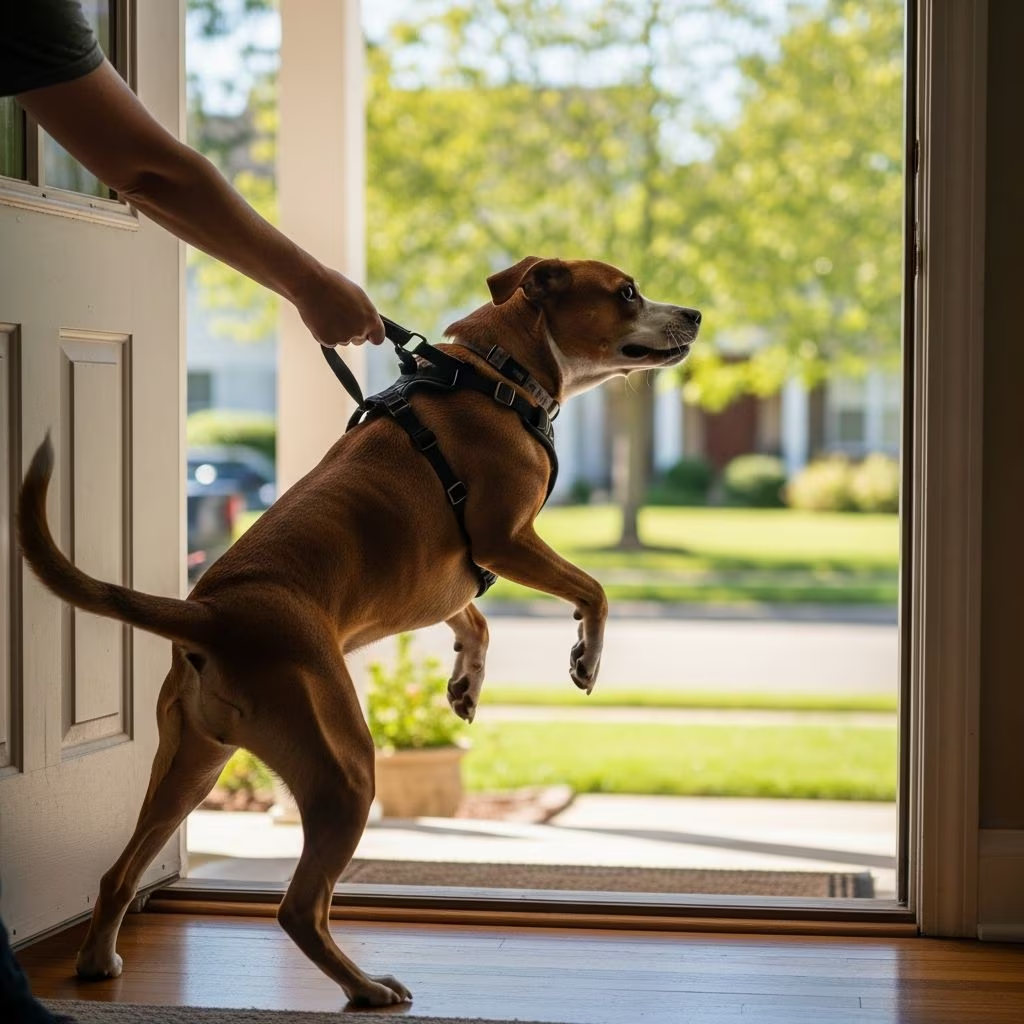
Door dashing occurs when dogs impulsively run through open doors, often leading to dangerous situations on busy streets or unfamiliar areas. This behavior stems from excitement, lack of training, or high prey drive, but it can be curbed with consistent management and positive reinforcement techniques. By implementing barriers, teaching alternative behaviors, and gradually desensitizing your dog to door cues, you create a safer environment for everyone.
Understanding Why Dogs Bolt Through Doors
Dogs door dash primarily due to arousal triggered by door movements, sounds like doorbells, or visual stimuli outside. High-energy breeds or those with strong chase instincts are particularly prone. Recognizing triggers—such as guests arriving or outdoor activity—allows proactive intervention. Without boundaries, this habit reinforces itself, as escapes provide thrilling rewards like exploration.
Essential Management Strategies First
Before training, prioritize prevention to avoid reinforcing bad habits. Management creates a controlled space for learning.
- Install physical barriers: Use baby gates or expandable barriers in hallways and near entryways to block access. For front doors, consider custom low plywood panels that slide into door jambs, allowing adults to step over while deterring jumps.
- Leash indoors proactively: Attach a leash before expected door activity, like deliveries, keeping your dog close without confrontation.
- Crate or confine during high-risk times: Place your dog in a crate or separate room when guests arrive or during mail hours.
- Visual blocks: Apply frosted film to glass doors or use curtains to hide outdoor movement that excites dogs.
- Alternative exits: Use garages, basements, or back doors as primary routes if available, treating them like safety nets.
These steps buy time for training without risking escapes, mimicking double-gate systems at dog parks.
Building a Solid Foundation: Default Door Behaviors
Teach a reliable “default” response to doors, like sitting or lying down, triggered automatically by the environment. Avoid cues needing perfect stimulus control initially; opt for natural ones like door sight.
| Behavior | Why It Works | Training Tip |
|---|---|---|
| Sit | Lowers center of gravity, easy to maintain | Pair door view with treats for butt-on-floor |
| Down on mat | Keeps distance from threshold | Place mat 8+ feet away, reward targeting |
| Back away | Creates space quickly | Use verbal cue with luring |
Start sessions in low-stakes areas, like interior doors, progressing to high-trigger ones.
Step-by-Step Training Protocols
Phase 1: The Butt Button Technique
This playful method turns sitting into a “button” that unlocks doors. Focus solely on your dog’s rear end staying grounded.
- Sit near a closed door or crate with treats ready. Wait for natural sit.
- Approach slowly while watching the butt; if it lifts, freeze.
- Grind latch or touch knob only with butt down; reward heavily.
- Repeat 10-20 times daily, fading treats gradually.
Practice expands to all thresholds: bathrooms, garages, cars. It builds impulse control through association.
Phase 2: Mat Targeting for Distance
For persistent dashers, redirect to a designated spot away from danger.
- Place a rug or mat 8-10 feet from the door.
- Click/treat for steps toward it when you touch the knob.
- Progress to slight door opens, then full with distractions like toys outside.
- Fluency cue: Dog goes to mat on doorknob touch alone.
Interior doors first; avoid front door mishaps early on.
Phase 3: Leashed Threshold Crossing
Transition to real scenarios with safety.
- Leash dog; cue default behavior.
- Open door incrementally (1 inch, then more) while butt/mat stays engaged.
- Release with happy “let’s go!” and cross together, rewarding massively outside.
- Practice varying speeds and partial opens.
For push doors (harder to block), emphasize body positioning.
Phase 4: Off-Leash Proofing and Distractions
Once solid on leash, test freedom selectively.
- Add doorbell knocks or guests; reward calm holds.
- Increase distance: Dog holds from 10 feet away.
- Rotate doors: car, backyard, pet store entries.
- Never fully trust high-risk exits without leash.
Proof with real-life: Have friends ring bells, enter calmly.
Handling Mishaps: During and After Dashes
If prevention fails:
- During: Don’t chase—run opposite way yelling excitedly to recall. Use high-value treats to redirect.
- After recovery: Calmly leash, return inside without scolding (avoids fear-based bolting). Resume training immediately.
Secure yards with fences to minimize dash consequences, though not always feasible.
Advanced Tips for Stubborn Cases
For extreme bolters:
- Doorknob rule: No door opens without sit; enforce rigidly.
- Pre-exercise: Tire dog with walks before door-heavy times.
- Tech aids: Motion-activated treats or apps for remote rewards (use sparingly).
- Pro help: Consult certified trainers for personalized plans.
Consistency across household members is key; mixed signals undermine progress.
Common Pitfalls and How to Avoid Them
- Punishing dashes: Increases anxiety, worsens bolting.
- Rushing phases: Build fluency before advancing.
- Ignoring all doors: Train universally—cars, gates, classrooms.
- Forgetting rewards: Always pay for good choices.
FAQs
What if my dog is too excited for sits?
Start with down or mat stays; lower criteria to eye contact first.
How long until results?
1-4 weeks with daily 10-minute sessions; management speeds safety.
Multi-dog homes?
Train individually; use separate barriers if needed.
Puppies vs. adults?
Puppies learn faster; adults may need more repetition.
Breeds prone to this?
Hounds, herders, terriers; all can learn with patience.
Long-Term Success: A Calm Door Routine
Achieve a dog that anticipates doors with patience, choosing wait over bolt. Regular refreshers maintain skills amid life changes like moves or new pets. Safety first: Lifetime management for danger zones like streets.
References
- How to Prevent Door-Dashing — Karen Pryor Clicker Training. 2023. https://clickertraining.com/how-to-prevent-door-dashing/
- How to Handle Door Dashing: Before, During & After — Freak on a Leash Dog Training. 2024. https://freakonaleashdogtraining.com/how-to-handle-door-dashing-before-during-after/
- Preventing Door-Dashing — Bright Spot Dog Training. 2022. https://www.kathysdao.com/articles/preventing-door-dashing/
- Escape Artist at Home? Prevent Your Pet Door Dashing — Animal Humane Society. 2025-03-15. https://www.animalhumanesociety.org/resource/escape-artist-home-prevent-your-pet-door-dashing-these-tips
- Dog Training To Prevent Door Dashing — So Much PETential. 2023. https://somuchpetential.com/dog-training-to-prevent-door-dashing/



