

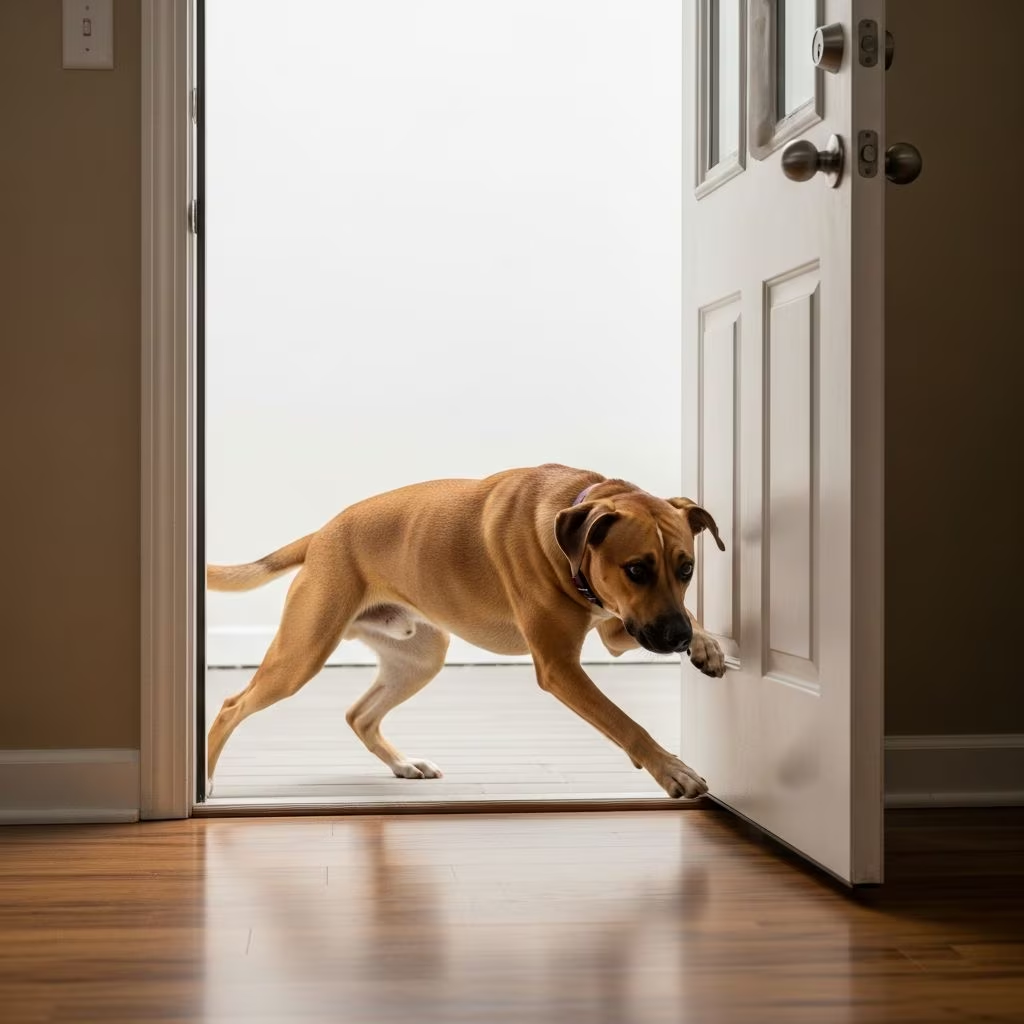
Door darting occurs when dogs impulsively rush through open doors, often leading to dangerous escapes, traffic hazards, or getting lost. This behavior stems from excitement, poor impulse control, or past reinforcements, but it can be effectively managed and trained out using consistent positive methods and preventive tools.
Understanding the Impulse Behind Door Bolting
Dogs bolt through doors primarily due to high arousal from anticipated outdoor adventures, such as chasing wildlife or exploring neighborhoods. Young dogs and adolescents frequently lack the self-regulation to stay put, while repeated successful escapes reinforce the habit. Without defined household rules, doors become high-reward gateways rather than controlled thresholds.
Recognizing these triggers allows owners to address root causes proactively. For instance, under-exercised dogs may view darting as a thrilling outlet for pent-up energy, turning routine entries into risky opportunities.
Essential Safety Measures for Immediate Prevention
Before training begins, implement barriers to eliminate escape risks. These management strategies create safe environments while building new habits.
- Baby gates and pet gates: Install across doorways for quick containment; opt for models with walk-through doors for convenience in rentals.
- Exercise pens: Use expandable panels for wider areas or to enclose dogs entirely during high-traffic times like guest arrivals.
- Indoor leashing: Attach a leash before answering doors to maintain control without constant supervision.
- Visual blockers: Place crates or mats in hallways to obscure door views and reduce anticipatory excitement.
These tools prevent rehearsal of bad habits, allowing training to take hold without real-world dangers.
Building a Foundation with Daily Routines
Establish predictability to curb frantic door approaches. A structured pre-door protocol conditions dogs to default to calm positions.
- Designate a mat or spot away from the door as the “wait zone.”
- Approach the door only when the dog is settled; reward stationary behaviors like sitting or lying down.
- Gradually introduce door sounds (knocking, bells) paired with treats for relaxation.
This routine transforms excitement into patience, as access to the door becomes contingent on composure. High-value rewards, such as chicken or cheese, amplify motivation during peak arousal.
Step-by-Step Training Protocols
Progressive exercises teach reliable door manners through positive reinforcement. Focus on replacement behaviors that predict rewards.
Phase 1: Threshold Waiting
Teach a default “sit” or “down” at door proximity. Start indoors: cue the position, reward heavily, then simulate door opening without fully cracking it. Progress to brief opens with immediate closure and treats for maintained position.
Phase 2: Exit Manners
Leash the dog indoors. Grab keys or prepare for walks, rewarding engagement. Open the door, step out first while dog holds position, then return to treat. Release only after successful waits.
Phase 3: Guest and Distraction Proofing
Practice with simulated visitors. Direct dog to a safe space (crate or room) on doorbell cues, rewarding arrival there. Use emergency recall phrases like “party time” to lure back if escapes occur, always treating returns positively.
Consistency across household members ensures reliability; inconsistent enforcement undermines progress.
Addressing Escapes: Recovery Tactics
If darting happens despite prevention, avoid chasing, as it reinforces flight. Instead, sprint oppositely while calling excitedly with a high-reward cue. Upon return, lavish praise and treats to build positive associations. Never punish recalls, as fear erodes trust.
Enhancing Success with Lifestyle Adjustments
Boost overall impulse control through enrichment. Increase physical exercise via walks, fetch, or agility to tire dogs mentally and physically.
- Daily brain games like puzzle toys or scent work channel problem-solving drives.
- Obedience sessions reinforce “say please” rules, where sits unlock all privileges.
- Scheduled outdoor time reduces desperation for unplanned adventures.
Tired, stimulated dogs exhibit fewer impulsive acts, making door training more effective.
Common Challenges and Solutions
| Challenge | Solution |
|---|---|
| High-energy breeds | Double exercise duration; add flirt poles or tug games. |
| Multiple household members | Family training sessions with role-playing. |
| Persistent bolters | Airlock setups: secondary gates outside main door. |
| Fear-based darting | Desensitize triggers gradually with counter-conditioning. |
These targeted fixes handle breed-specific or situational hurdles.
Long-Term Maintenance for Reliable Behavior
Once basics solidify, proof with real-life variables: open doors longer, add distractions, involve visitors. Fade treats to verbal praise, maintaining occasional jackpots for reinforcement. Annual refreshers prevent regression, especially with puppies maturing into teens.
FAQs
What if my dog darts during walks?
Practice leash-on exits, rewarding four-on-floor until you fully exit first.
Are shock collars effective?
No; positive methods yield durable results without fear.
How long until improvement?
1-4 weeks with daily 10-minute sessions and management.
Works for rescues?
Yes; extra patience for trauma histories, starting in low-distraction zones.
Multi-dog homes?
Train individually, then together with separate zones.
References
References
- How to Handle Door Dashing: Before, During & After — Freak on a Leash Dog Training. 2023. https://freakonaleashdogtraining.com/how-to-handle-door-dashing-before-during-after/
- How to Keep Your Dog from Door Darting — Operation Kindness. 2024. https://www.operationkindness.org/how-to-keep-your-dog-from-door-darting/
- Door Darting Management — Whole Dog Journal. 2023-05-01. https://www.whole-dog-journal.com/behavior/door-darting-management/
- How to Prevent Door-Dashing — Karen Pryor Clicker Training. 2024. https://clickertraining.com/how-to-prevent-door-dashing/
- Preventing Door-Dashing — Bright Spot Dog Training. 2023. https://www.kathysdao.com/articles/preventing-door-dashing/
- How to Teach Your Dog Not to Door Dart — American Kennel Club. 2025-01-15. https://www.akc.org/expert-advice/training/teaching-your-dog-not-to-door-dart/



