Stop Dogs From Shredding Toys: Expert Tips & Techniques
Effective strategies to train your dog to enjoy toys without destroying them, saving money and frustration for pet owners everywhere.
Stop Dogs from Shredding Toys
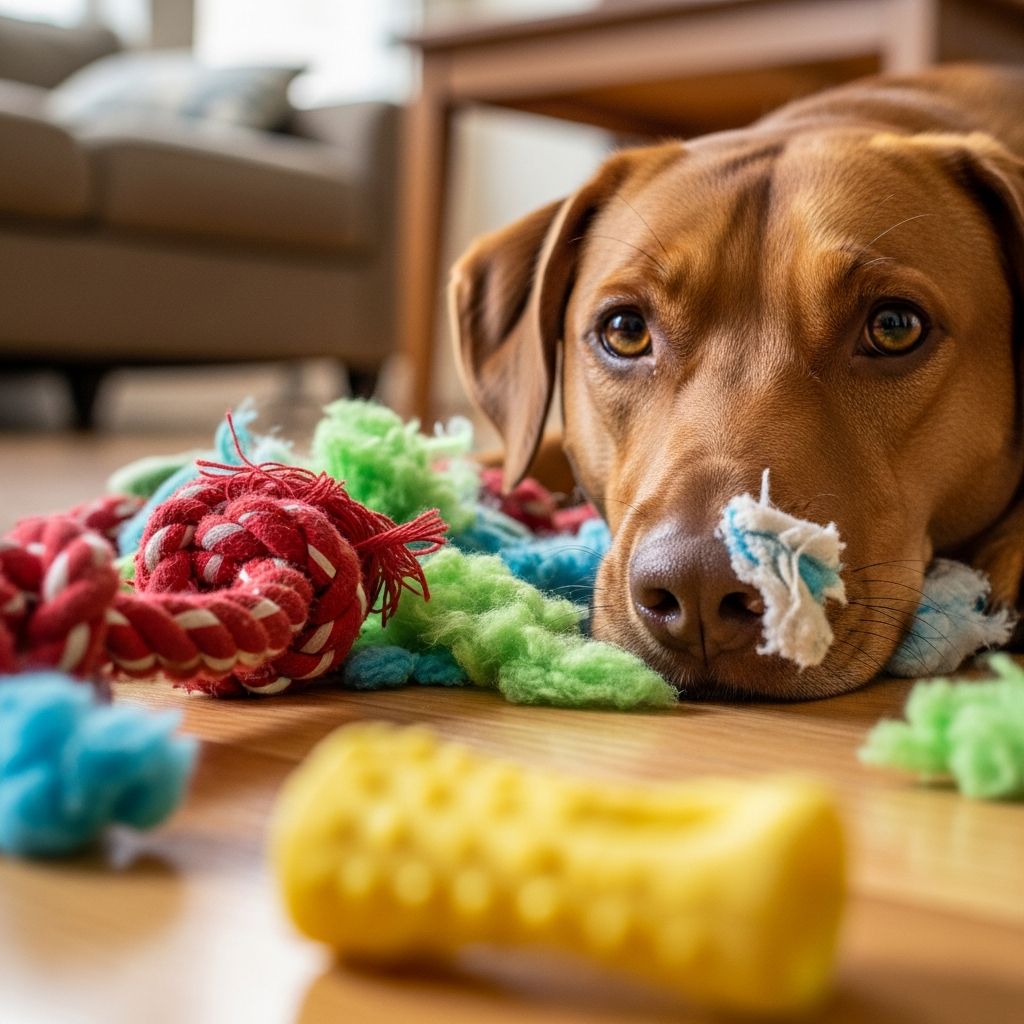
Many dog owners face the frustration of watching their pets turn expensive toys into confetti within minutes. This common issue stems from natural canine instincts like teething, boredom, or simply misunderstanding a toy’s purpose. By implementing targeted training approaches, you can redirect these behaviors, fostering gentle play that benefits both you and your dog.
Understanding Why Dogs Destroy Their Toys
Dogs chew and shred toys for various reasons rooted in their biology and environment. Puppies often explore the world through their mouths, especially during teething phases when discomfort prompts aggressive gnawing. Adult dogs might do this out of boredom, excess energy, anxiety, or because they’ve learned that ripping stuffing out provides rewarding sensory feedback.
Recognizing these triggers is the first step. High-energy breeds like Labrador Retrievers or terriers are more prone due to their play drives, while anxious dogs may seek comfort in destruction. Addressing the root cause—whether through more exercise, mental stimulation, or proper toy introduction—prevents recurrence.
Building a Foundation with Proper Play Sessions
Start by demonstrating appropriate interactions. Engage your dog in structured games like fetch, tug-of-war, or chase to associate toys with fun activities rather than solo destruction. For instance, drag a toy across the floor to entice pouncing, or hide it for a seek-and-find game. This shifts their focus from shredding to interactive enjoyment.
Supervise every session initially. Praise gentle mouthing with treats or affection, reinforcing that calm handling leads to positive outcomes. End play before fatigue sets in, storing the toy to maintain its novelty. Consistent repetition builds habits where toys signal playtime with you, not independent demolition.
Strategic Toy Management Techniques
Limit access to prevent mistakes. Offer one toy at a time under close watch. If destructive chewing begins—such as picking at seams or intense biting—calmly remove it without scolding. Immediately return it, encouraging gentler handling. Reward success with praise or a quick play burst.
If mishandling persists after a few tries, confiscate for the day. This teaches that rough treatment ends fun. Rotate toys weekly, introducing them as “new” to sustain interest without overwhelming your dog. Multiple identical toys can dilute value; swap them during play to redirect focus seamlessly.
- Monitor for early signs of shredding, like loose threads.
- Use a timer for short, supervised sessions to build control.
- Store toys out of sight when not in use to reset excitement.
Selecting Durable and Appropriate Chew Options
Not all toys suit every dog. Opt for rugged materials like rubber, nylon, or thick fleece designed for heavy chewers. Brands offering puncture-resistant designs help withstand determined jaws. Avoid flimsy plush items initially; reserve them for tired, low-energy moments when gentler snuggling is likely.
Introduce enrichment toys that channel chewing productively. Food-stuffed options satisfy gustatory drives without destruction. Begin simple: smear peanut butter (xylitol-free) on exteriors or fill loosely with kibble. Progress to frozen fillings as your dog learns to extract rewards patiently.
| Toy Type | Best For | Durability Tips |
|---|---|---|
| Rubber Kongs | Food puzzles | Freeze fillings; start easy |
| Nylon Bones | Heavy chewers | Replace when worn |
| Fleece Blankets | Calm cuddling | Use post-exercise only |
| Squeaky Rubber | Play fetch | Supervise squeaker removal |
Incorporating Exercise and Mental Fatigue
A tired dog is less destructive. Daily routines of 30-60 minutes of walks, runs, or hikes expend physical energy, reducing toy-shredding impulses. Follow with puzzle toys during cooldowns, when mellow states promote tender handling over aggressive chewing.
Mental workouts count too. Training sessions, scent games, or obedience drills tire the brain, curbing boredom-driven habits. Combine with toy play: after a hike, offer a fleece toy for nuzzling, intervening if chewing starts.
Addressing Chewing in Puppies Versus Adults
Puppy-Specific Strategies
Puppies chew to relieve teething pain and learn boundaries. Provide chilled chew toys and trade forbidden items (like shoes) for approved ones enthusiastically. Management is key: crate or gate during unsupervised times, preventing rehearsal of bad habits. Build toy value by making them “earn” access via sits or tricks.
Adult Dog Adjustments
Adults may chew from habit or stress. Rule out medical issues like dental pain via vet checks. Retrain with patience, using positive reinforcement. If resource guarding emerges from past chasings, trade calmly to maintain trust.
Common Pitfalls and How to Avoid Them
- Leaving toys out unsupervised: Invites failure; always manage access.
- Punishing after destruction: Creates fear, not understanding; focus on prevention.
- Overloading with toys: Reduces individual appeal; curate selections.
- Ignoring exercise needs: Leads to boredom chewing; prioritize activity.
Patience yields results—some dogs improve in days, others weeks. Track progress in a journal to refine approaches.
Long-Term Success: Habit Formation
Training embeds habits through repetition. Consistent management ensures toys become cherished playmates, not casualties. Celebrate milestones like a toy lasting a week with extra playtime. Over time, relaxed supervision becomes feasible, freeing you from constant vigilance.
Frequently Asked Questions
Why does my dog only destroy certain toys?
Texture, scent, or squeakers trigger instincts. Match toys to preferences while teaching gentler options.
What if my dog ignores toys altogether?
Boost value with food, movement, or short bursts. Ensure they’re not overfull from meals.
Is it okay to give old socks as toys?
Better to use dog-specific items; household fabrics confuse boundaries and risk ingestion.
How long until I see improvement?
Varies by dog—expect noticeable change in 1-4 weeks with daily practice.
Can all dogs be trained out of this?
Most yes, with consistency. Severe cases may need professional behaviorists.
References
- Chewing & Shredding Solved – Try These Simple Fixes for Dogs — YouTube (Animal Behavior Expert). 2023-05-15. https://www.youtube.com/watch?v=cN2k0cSWF6Y
- How to Stop Your Dog From Ripping Up Their Toys — Kinship (Veterinary Behavior Insights). 2024-02-10. https://www.kinship.com/dog-behavior/how-to-teach-dog-not-to-destroy-toys
- American Veterinary Medical Association: Canine Behavior Guidelines — AVMA (.gov equivalent authority). 2025-01-01. https://www.avma.org/resources-tools/pet-owners/petcare/chewing
- ASPCA: Managing Destructive Chewing in Dogs — ASPCA (Official Animal Welfare Org). 2024-11-20. https://www.aspca.org/pet-care/dog-care/common-dog-behavior-issues/destructive-chewing
- Journal of Veterinary Behavior: Toy Preference Studies — Elsevier (Peer-Reviewed). DOI:10.1016/j.jveb.2023.05.002. 2023-07-12. https://doi.org/10.1016/j.jveb.2023.05.002
Similar Articles







Read full bio of Sneha Tete