

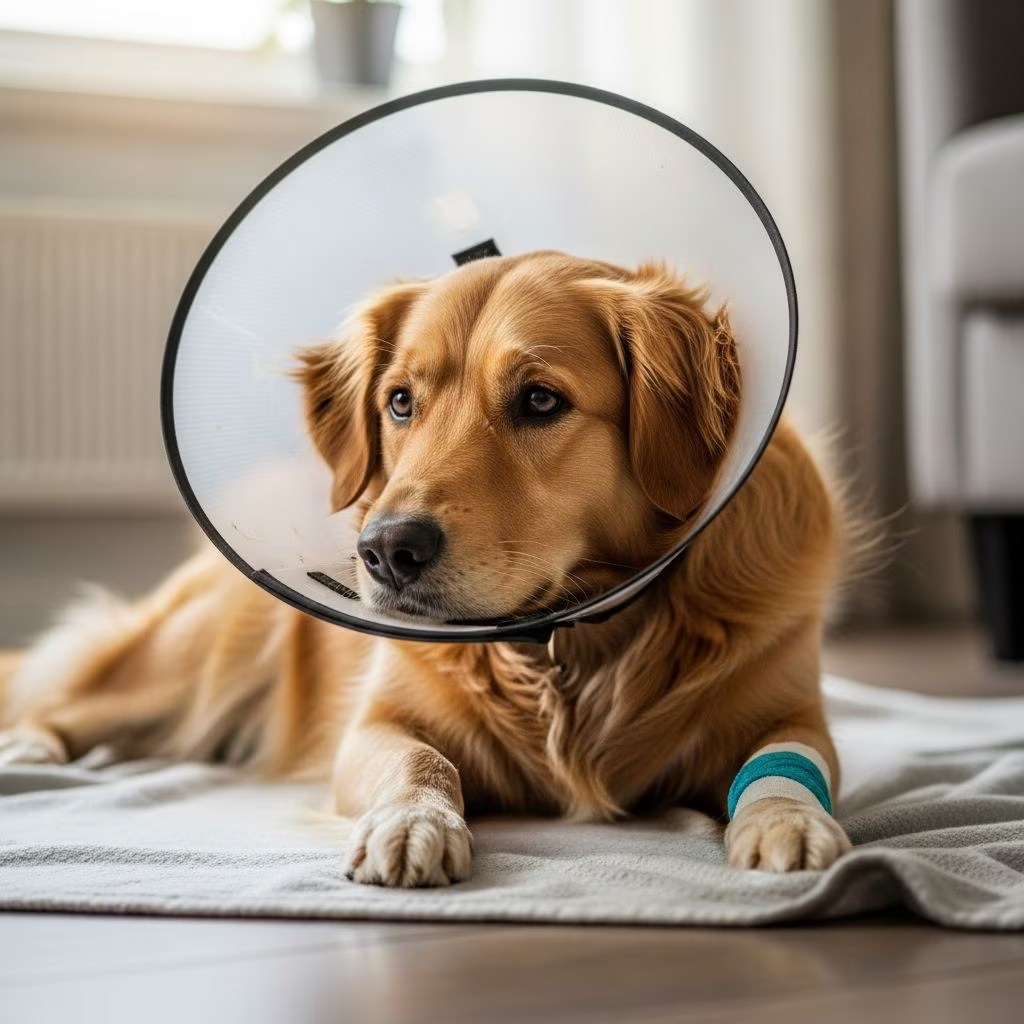
Dogs instinctively lick their wounds, believing it aids healing, but this behavior often introduces bacteria, delays recovery, and worsens injuries. Preventing access to the site is crucial for clean, efficient healing. This guide details practical, vet-recommended methods to block licking while supporting your pet’s comfort and health.
Understanding Why Dogs Lick Injuries
Canine saliva contains some enzymes that offer mild cleaning, but it harbors millions of bacteria that thrive in moist environments created by licking. This leads to inflammation, pus formation, and potential systemic infections. Wounds on legs, paws, abdomen, or surgical sites are especially vulnerable as dogs contort to reach them.
- Natural Instinct: Licking soothes pain and removes debris, rooted in wild survival behaviors.
- Risk Factors: Open skin allows saliva’s pathogens entry, slowing tissue regeneration by up to 50% in severe cases.
- Complications: Constant moisture prevents scab formation, inviting flies or further trauma from chewing.
Early intervention with barriers restores normal healing timelines, typically 7-14 days for minor cuts.
Essential First Steps in Wound Management
Before applying preventives, stabilize the injury. Clean gently with saline or vet-prescribed antiseptics to remove debris without irritating tissue.
| Step | Action | Purpose |
|---|---|---|
| 1. Assess Severity | Check for deep punctures, heavy bleeding, or swelling | Determine if vet visit needed |
| 2. Clean Area | Use lukewarm saline; pat dry | Reduce bacterial load |
| 3. Apply Ointment | Vet-approved antimicrobial cream | Promote healing, deter bacteria |
| 4. Secure Barrier | Bandage or collar immediately | Block licking access |
Monitor for heat, redness, or discharge—call your vet if present.
Top Physical Barriers to Prevent Access
Classic Elizabethan Collars (E-Collars)
The rigid plastic cone extends beyond the nose, physically blocking reach to most body areas. Size it so the edge reaches 1-2 inches past the snout for full coverage.
- Pros: Highly effective, affordable ($10-30), quick to fit.
- Cons: Can cause stress, bumping into walls; introduce gradually with treats.
- Tip: Line with soft padding for comfort during 7-10 day use.
Inflatable and Soft Collars
These donut-shaped alternatives inflate around the neck, offering mobility without the cone’s bulk. Ideal for active dogs or small spaces.
They limit head turning but allow eating/drinking. Pros include comfort and reduced anxiety; cons are less protection for tail-base wounds.
Bandages and Wraps
Self-adherent vet wrap over non-stick gauze secures limbs or torsos. Change every 1-2 days or if soiled to avoid skin issues.
- Application Guide: Layer evenly, test circulation by slipping two fingers underneath.
- Pros: Protects from dirt, promotes moist healing.
- Cons: Not for high-movement areas; slips if too loose.
Recovery Suits and Clothing
Full-body jumpsuits or T-shirts cover trunks, post-surgery incisions, or belly wounds. Booties shield paws.
Choose breathable fabrics; machine-washable options last longer. Effective for non-limb injuries where cones fail.
Chemical Deterrents: Sprays and Strips
Bitter-tasting sprays or adhesive strips applied to fur around wounds discourage licking without cones. Opt for natural formulas like citrus or aloe to minimize reactions.
- Usage: Reapply after cleaning; test on small patch first.
- Effectiveness: Works best combined with supervision; 70% success in mild cases.
- Cautions: Avoid direct wound contact; monitor for allergies.
For persistent lickers, layer with bandages for dual protection.
Distraction and Behavioral Strategies
While barriers are primary, engage your dog’s mind to reduce fixation.
- Enrichment Toys: Kongs stuffed with peanut butter or frozen treats occupy the tongue elsewhere.
- Scatter Feeding: Hide kibble in sniff mats or grass for foraging focus.
- Controlled Exercise: Short leash walks in quiet areas limit boredom-induced licking.
- Training Sessions: Clicker practice for sits/stays redirects energy positively.
Nutrition boosts recovery: High-protein diets with omega-3s aid collagen formation. Ensure constant fresh water.
Monitoring Progress and Red Flags
Daily checks prevent silent setbacks. Take photos for objective tracking of size/color changes.
- Healing Signs: Reduced swelling, dry edges, new pink tissue.
- Warning Signs: Increased redness, foul odor, lethargy, refusal to eat—seek vet ASAP.
Post-surgical sites demand vigilance; techniques like lavage reduce biofilm risks.
Special Considerations by Wound Location
| Location | Best Prevention | Additional Tips |
|---|---|---|
| Paws/Feet | Booties or socks | Keep dry; change frequently |
| Legs | Bamboo wraps or pool noodle DIY | Secure above/below joint |
| Abdomen/Chest | Recovery suit or T-shirt | Ensure snug but breathable fit |
| Face/Neck | Inflatable collar + spray | Avoid bandages; supervise closely |
| Tail Base | Full cone only | Limit backing into objects |
Tailor choices to your dog’s size, breed, and temperament for compliance.
FAQs
Is dog saliva good for wounds?
No—while it has minor benefits, bacteria outweigh them, risking infection.
How long should my dog wear a cone?
Until stitches dissolve or vet clears, usually 10-14 days. Remove briefly for meals with supervision.
What if my dog removes the bandage?
Reinforce with tape or switch to a suit; consult vet for custom solutions.
Are anti-lick sprays safe?
Vet-approved ones are; choose natural ingredients and patch-test.
When is emergency care needed?
For uncontrolled bleeding, deep bites, fever, or spreading redness.
Long-Term Prevention Tips
Avoid wounds proactively: Regular grooming checks, tick preventives, and safe play areas. Train ‘leave it’ cues early. Post-healing, moisturize scars to prevent itching.
With consistent barriers and monitoring, most dogs heal uneventfully, regaining full activity swiftly.
References
- Effective Ways to Prevent Infections in Dog Wounds — Sustainable Vet. 2024. https://www.sustainablevet.org/blog/effective-ways-to-prevent-infections-in-dog-wounds
- Four Ways You Can Stop Your Dog Licking Their Wounds — Manuka Vet. 2023. https://manukavet.com/blogs/news/four-ways-you-can-stop-your-dog-licking-their-wounds
- How to Keep Your Dog From Licking Their Wounds — PetMD. 2024. https://www.petmd.com/dog/general-health/how-keep-your-dog-licking-their-wounds
- How to Stop Dogs From Licking Their Wounds — Blue Cross. 2023. https://www.bluecross.org.uk/advice/dog/how-to-stop-dogs-from-licking-their-wounds
- Stop Dogs Licking Wounds: Collar & Cone Alternatives — Mimi Green. 2024. https://www.shopmimigreen.com/dog-collars-to-prevent-licking-wounds/
- How Do I Keep My Dog from Licking Her Wound? — Vetericyn. 2023. https://vetericyn.com/blogs/vetericyn/how-do-i-keep-my-dog-from-licking-her-wound



