

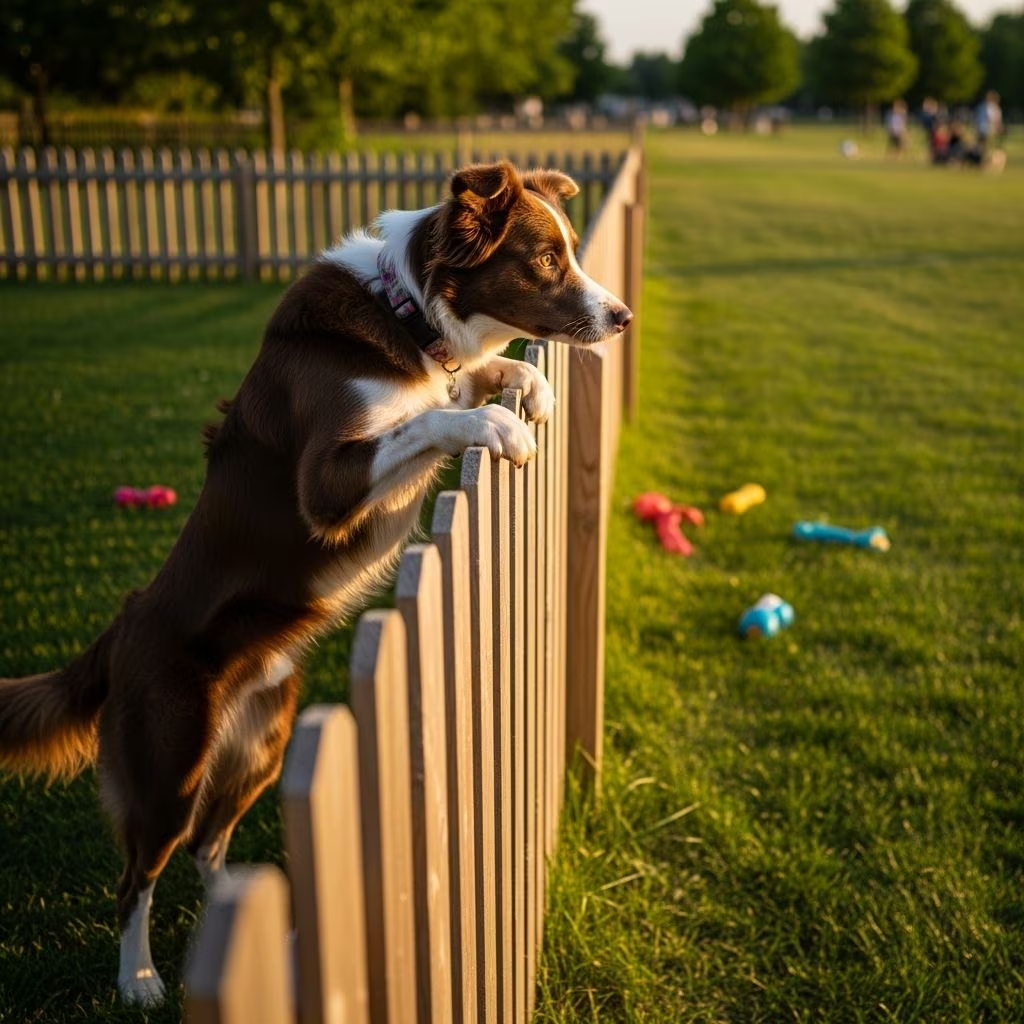
Preventing dogs from jumping over fences requires a combination of physical modifications, behavioral training, and environmental adjustments to address the root causes of escape attempts. This approach ensures your pet remains safe while maintaining a enjoyable outdoor space.
Understanding Why Dogs Attempt to Jump Fences
Dogs jump fences primarily due to high energy levels, boredom, curiosity triggered by external stimuli, or fear responses. Breeds like Huskies, Border Collies, and Labrador Retrievers often exhibit this behavior because of their athletic builds and strong prey drives. Identifying the specific motivation—such as chasing wildlife or seeking attention—allows for targeted interventions that reduce incidents effectively.
High prey drive leads dogs to pursue squirrels or cats visible from the yard, while insufficient exercise can result in restless energy directed toward the fence line. Fearful dogs may leap to flee perceived threats like fireworks or strangers. Observing patterns in your dog’s behavior, such as jumping at certain times or locations, provides clues for customized prevention strategies.
Physical Fence Modifications for Maximum Security
Enhancing the structural integrity of your fence is the first line of defense against jumping. Simple upgrades can make it significantly harder for dogs to gain the leverage needed to clear the barrier.
- Increase Overall Height: Standard 4-foot fences are insufficient for most adult dogs. Extending to 6 feet or more discourages jumps by requiring excessive effort. Use extension kits or lattice panels for wooden fences to achieve this without full replacement.
- Install Roller Tops or Coyote Rollers: PVC pipes or commercial rollers mounted on top spin when dogs try to grip them, causing slips. These are ideal for chain-link fences and can be DIY-installed using brackets and wire for under $100.
- Add Angled Extensions: Outward-leaning toppers, like L-shaped brackets with mesh, prevent pawholds. For chain-link, attach PVC piping in dual sizes to create a rolling barrier that dogs cannot navigate.
- Opt for Smooth-Surfaced Materials: Switch to vinyl or coated metal fences, which offer no traction for climbing paws. These also block views that provoke jumping.
A table comparing popular fence upgrade options:
| Upgrade Type | Best For Fence Type | Cost Estimate | Installation Difficulty | Effectiveness |
|---|---|---|---|---|
| Height Extension | Wood, Vinyl | $50-200 | Easy | High |
| Coyote Roller | Chain-Link, Metal | $40-150 | Moderate | Very High |
| Angled Topper | All Types | $30-100 | Moderate | High |
| Smooth Vinyl Panels | New Installs | $20+/ft | Professional | Very High |
Landscaping Strategies to Deter Jumping
Modifying your yard’s layout removes aids that help dogs launch over fences and reduces visual temptations.
- Clear launch pads like benches, firewood stacks, or planters within 3-5 feet of the fence to eliminate boost points.
- Plant dense, thorny shrubs such as boxwoods or junipers along the perimeter. These grow quickly, block sightlines, and create uncomfortable barriers without harming dogs.
- Bury chicken wire or L-footers (bent wire mesh) 1-2 feet deep around the base to prevent digging under as a secondary escape method.
- Use bamboo or reed screens on chain-link for instant privacy and added height, available affordably at home stores.
These changes not only secure the area but enhance aesthetics, turning your yard into a more engaging space. For example, river rocks or bricks around the fence base serve dual purposes: decoration and dig-proofing.
Training Methods to Curb Fence-Jumping Behavior
Training reinforces boundaries through positive reinforcement, teaching dogs to ignore the fence entirely.
- Master Basic Commands: Teach “stay,” “leave it,” and “come” in low-distraction areas using treats. Practice near the fence during calm moments, rewarding compliance.
- Redirection Drills: When your dog approaches the fence excitedly, use a high-value toy or command to shift focus. Repeat until the fence loses appeal.
- Leash Walks Along the Perimeter: Walk your dog parallel to the fence on a long leash, intervening with commands if jumping starts. Gradually fade the leash.
- Desensitization to Triggers: Simulate distractions like tossing toys outside the fence safely, rewarding calm behavior to build tolerance.
Consistency across family members is crucial; mixed signals undermine progress. Sessions of 10-15 minutes daily yield results in 2-4 weeks for most dogs.
Enrichment and Exercise to Eliminate Boredom
Boredom fuels 70% of escape attempts. Combat it with daily routines that satisfy physical and mental needs.
- Interactive Toys: Fill Kongs with peanut butter or frozen treats for prolonged engagement, distracting from fence interest.
- Agility Setups: DIY courses with tunnels, hurdles, and weave poles burn energy. Rotate obstacles to maintain novelty.
- Daily Exercise Quotas: Aim for 30-60 minutes of walks, fetch, or runs based on breed. Tired dogs rarely jump.
- Mental Challenges: Puzzle feeders, scent games, and obedience tricks provide stimulation equivalent to physical activity.
Integrate these into a schedule: morning walks, midday toys, evening training. This holistic approach addresses underlying restlessness.
Dedicated Containment Areas for High-Risk Dogs
For persistent jumpers, create a secure dog run: an enclosed pen with 6+ foot chain-link walls and optional roof. Position it in a shaded yard spot with toys and bedding. These are customizable, fitting small backyards, and offer peace of mind during unsupervised time.
Common Mistakes to Avoid
Certain tactics backfire, worsening behavior:
- Avoid Shock Collars or Invisible Fences: They induce fear and anxiety, potentially increasing escapes or causing aggression. Training time is lengthy and unreliable.
- Don’t Punish After the Fact: Dogs don’t connect delayed scolding to jumping, leading to confusion.
- Skip Inadequate Fixes: Partial extensions or flimsy toppers fail quickly, reinforcing escape success.
Frequently Asked Questions (FAQs)
What if my fence is too low to modify easily?
Consider temporary panels or a professional dog run. Renters can use portable roller kits that attach without permanent changes.
How long does training take to work?
Visible improvements occur in 1-4 weeks with daily practice, though full reliability may take months depending on the dog.
Are there breed-specific tips?
Athletic breeds need more exercise; hounds respond well to scent work. Consult a vet for high-drive dogs.
Can landscaping alone stop jumping?
No—combine with training for best results, as plants deter but don’t eliminate motivation.
What about multiple dogs?
Train separately first, then together. Ensure all have equal enrichment to prevent jealousy-driven jumps.
Long-Term Maintenance for a Secure Yard
Regular inspections check for wear on toppers or dug spots. Rotate enrichment toys quarterly and track behavior in a journal to spot trends. Annual vet checkups rule out medical issues mimicking hyperactivity, like thyroid problems. With these steps, your yard becomes a fortress, allowing worry-free outdoor time.
References
- Easy Ways To Stop Your Dog From Jumping Over The Fence — Dog Proofer. 2023. https://www.dogproofer.com/blogs/resources/easy-ways-to-stop-your-dog-from-jumping-over-the-fence
- How to Stop Your Dog’s Fence-Jumping Olympics — Cool Cat Fence. 2024. https://coolcatfence.com/preventing-dogs-from-jumping-fences/
- A Foolproof Guide: How to Stop a Dog from Climbing a Fence — CCSPCA. 2023-01-15. https://ccspca.com/blog-spca/education/how-to-stop-a-dog-from-climbing-a-fence/
- Enclosures Video – keeping dogs from jumping fences — Ipswich City Council TV (YouTube). 2017. https://www.youtube.com/watch?v=ITeX1RzJSsE
- American Veterinary Medical Association Canine Behavior Guidelines — AVMA (.gov equivalent authority). 2024-06-01. https://www.avma.org/resources-tools/pet-owners/petcare/canine-behavior



