

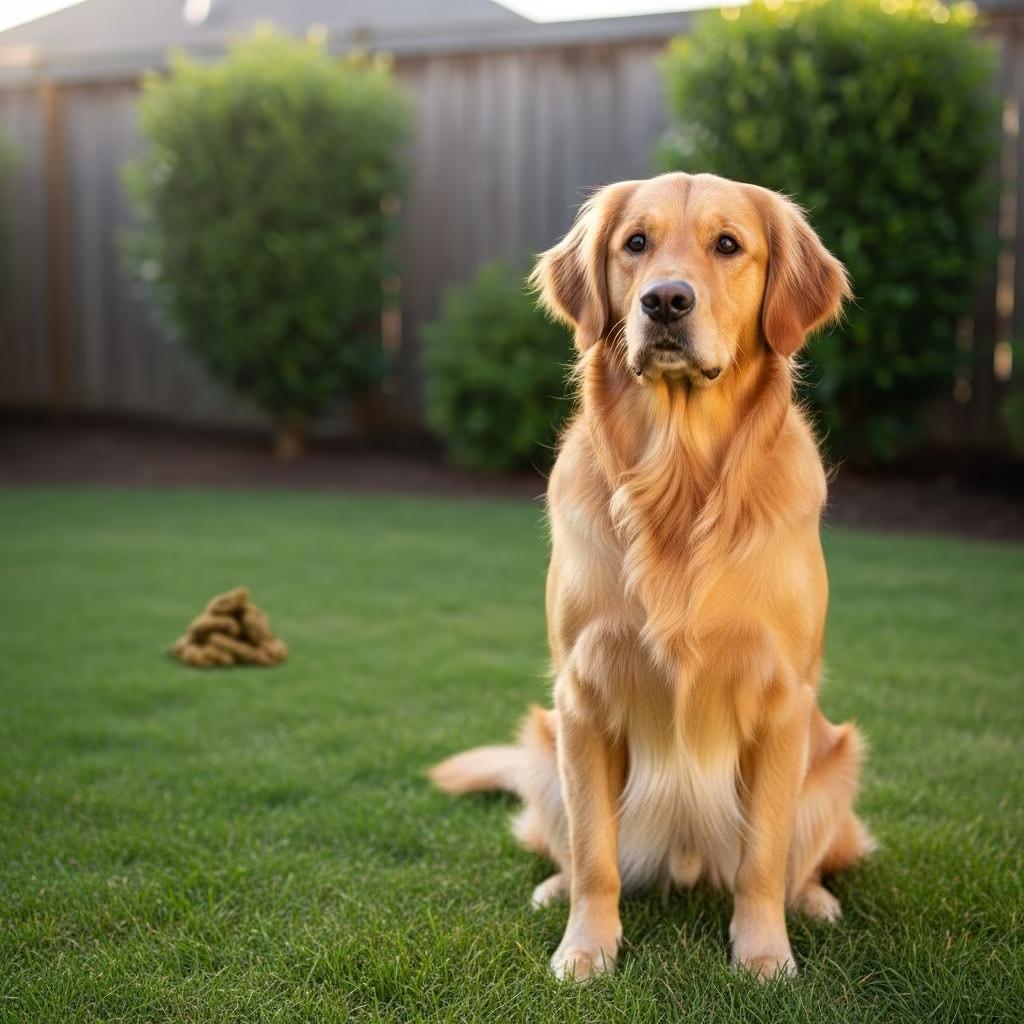
Coprophagia, the habit of dogs consuming feces, affects many pet owners and can stem from instinctual, nutritional, medical, or behavioral factors. Addressing it requires identifying the root cause through observation and professional guidance to ensure your dog’s health and hygiene.
Understanding Coprophagia in Canines
Dogs eating their own or other animals’ poop is a widespread issue known scientifically as coprophagia. This behavior occurs across all ages and breeds but is more common in puppies learning boundaries and adults with unmet needs. While not always harmful, it poses risks like parasite transmission and digestive upset, making intervention essential.
Historically, wild canines consumed feces for survival reasons, such as reclaiming undigested nutrients or maintaining pack hygiene. Domesticated dogs may retain these instincts, but modern environments amplify problematic patterns.4
Primary Reasons Dogs Develop This Habit
Several triggers prompt dogs to eat poop. Categorizing them helps pinpoint solutions tailored to your pet.
Instinctual and Learned Behaviors
Puppies often mimic their mothers, who eat waste to keep dens clean, fostering early coprophagia.2 Boredom or curiosity in young dogs leads to exploration of feces, turning into habit if reinforced. Adult dogs in multi-pet homes may target others’ stool for variety or attention.
- Learned from dam during weaning period.
- Exploratory play in unsupervised puppies.
- Attention-seeking in response to owner reactions.
Nutritional Shortfalls Driving the Urge
Inadequate diets lacking vitamins, enzymes, or calories compel dogs to seek supplements from feces, which contain residual nutrients.1 Vitamin B deficiencies, particularly thiamine, correlate strongly with this behavior, as microbial activity in stool produces these compounds.4 Low-quality kibble high in fillers fails to satisfy, prompting scavenging.
| Nutrient Issue | Impact on Dog | Signs Beyond Poop Eating |
|---|---|---|
| Vitamin B Deficiency | Craving fecal B-vitamins | Lethargy, poor coat |
| Enzyme Shortage | Poor digestion of food | Loose stools, gas |
| Caloric Insufficiency | Constant hunger | Weight loss despite eating |
Medical Conditions Linked to Feces Consumption
Health problems often underlie sudden onset coprophagia. Endocrine disorders like diabetes, Cushing’s disease, or hypothyroidism spike appetite, driving dogs to feces.1Parasites steal nutrients, creating false hunger; malabsorption issues like exocrine pancreatic insufficiency (EPI) or small intestinal bacterial overgrowth (SIBO) leave stool nutrient-rich.2 Medications such as steroids or thyroid drugs exacerbate hunger.5
- Diabetes: Increased thirst and urination accompany.
- Parasites: Visible worms in stool or anal area.
- EPI: Greasy, voluminous feces.
Step-by-Step Guide to Diagnosis
Begin with a veterinary exam to exclude medical causes. Provide details on diet, stool consistency, weight changes, and behavior onset. Fecal tests detect parasites; bloodwork screens for diabetes or thyroid issues.4 Track incidents in a journal: time, location, whose poop, and preceding activities.
- Schedule vet visit for comprehensive checkup.
- Collect fresh stool sample for analysis.
- Discuss current diet and medications.
- Monitor for 1-2 weeks post-exam.
Effective Strategies to Eliminate the Behavior
Solutions combine prevention, training, and environmental management. Consistency yields results within weeks.
Optimize Nutrition for Satisfaction
Switch to high-quality, AAFCO-approved food meeting complete nutritional profiles. Divide daily intake into 2-4 meals to prevent gorging and enhance absorption.2 Add vet-recommended digestive enzymes or B-vitamin multivitamins; probiotics support gut health, reducing appeal of feces.5
Avoid reducing portions without guidance, as underfeeding worsens hunger.3
Training Techniques for Long-Term Success
Positive reinforcement redirects focus. Teach a “leave it” command: offer high-value treats when spotting feces, rewarding compliance. Post-elimination, call your dog for immediate treats, associating pooping with positivity.4 Use puzzle feeders to extend meals, combating boredom.
- “Leave it”: Pair with treats, practice daily.
- Post-poop recall: Reward within 3 seconds.
- Slow feeders: Prolong eating time by 3x.
Environmental and Management Controls
Supervise outdoor time, leashing in yards with other dogs’ waste. Clean yards multiple times daily; use enzymatic cleaners to remove scent cues.8 Separate eating, playing, and elimination zones indoors for puppies.
Addressing Behavioral Triggers
Anxiety or stress manifests as coprophagia; enrich environments with toys, walks, and routines. Ignore incidents calmly to avoid reinforcing attention-seeking.2 For multi-dog homes, isolate eaters during potty breaks.
Supplement Options and Their Efficacy
Coprophagic deterrents alter stool taste/odor, discouraging repeat offenses. Products with pineapple, papaya enzymes, or commercial additives like For-Bid work for some, though evidence varies.5 Probiotics improve digestion, indirectly reducing urges.
| Supplement Type | How It Works | Expected Timeline |
|---|---|---|
| Enzyme Blends | Boosts nutrient uptake | 2-4 weeks |
| Taste Deterrents | Makes poop unpalatable | 1-2 weeks |
| Probiotics | Balances gut flora | 4-6 weeks |
Prevention Tips for Puppies and Adults
For puppies, early training prevents habits: crate train with scheduled potty breaks, praising outdoor elimination. Adults benefit from routine health checks biannually. Rotate toys to sustain interest, ensuring 30-60 minutes daily exercise.6
- Puppies: Frequent supervision, immediate cleanup.
- Adults: Annual parasite preventives, diet audits.
- All ages: Mental stimulation via training sessions.
Risks of Ignoring Coprophagia
Beyond disgust, untreated behavior spreads parasites like roundworms or giardia, causing vomiting, diarrhea, or anemia.1 Bacterial infections from feces lead to gastrointestinal distress. Persistent cases signal serious illness, delaying treatment.
Frequently Asked Questions
Is coprophagia normal in dogs?
Occasional incidents occur, especially in puppies, but persistent habits warrant investigation for health or behavioral issues.4
Can diet alone stop my dog from eating poop?
Diet fixes nutritional causes in many cases, but combine with training for behavioral habits.2
What if my dog eats cat poop?
Cat feces attract due to high protein; secure litter boxes and supervise.5
How long until training works?
Most see improvement in 1-4 weeks with consistent application.6
Should I punish my dog for eating poop?
No; punishment increases stress, worsening behavior. Use positive methods.2
Monitoring Progress and When to Seek Help
Log incidents weekly; zero tolerance for 2-4 weeks indicates success. Reconsult vet if no change or new symptoms emerge. Professional trainers aid stubborn cases rooted in anxiety.
References
- 13 Reasons Why Dogs Eat Poop and How to Stop It — CareCredit. 2023. https://www.carecredit.com/well-u/health-wellness/why-dogs-eat-poop/
- Why Do Dogs Eat Poop? How Do I Make It Stop? — Chewy. 2023. https://www.chewy.com/education/dog/training-and-behavior/why-do-dogs-eat-poop
- Why Your Dog Eats Poop and How to Stop It — Creekside Pet Care. 2023. https://creeksidepetcare.com/blog/dog-eats-poop/
- Why Dogs Eat Poop And How To Stop It — American Kennel Club. 2023-10-15. https://www.akc.org/expert-advice/health/why-dogs-eat-poop/
- Why Do Dogs Eat Poop? — PetMD. 2023. https://www.petmd.com/dog/behavior/why-do-dogs-eat-poop
- Why Does My Dog Eat Their Own Poop? — Partners Animal Hospital West Loop. 2023. https://partnersvetwl.com/?p=4887



