

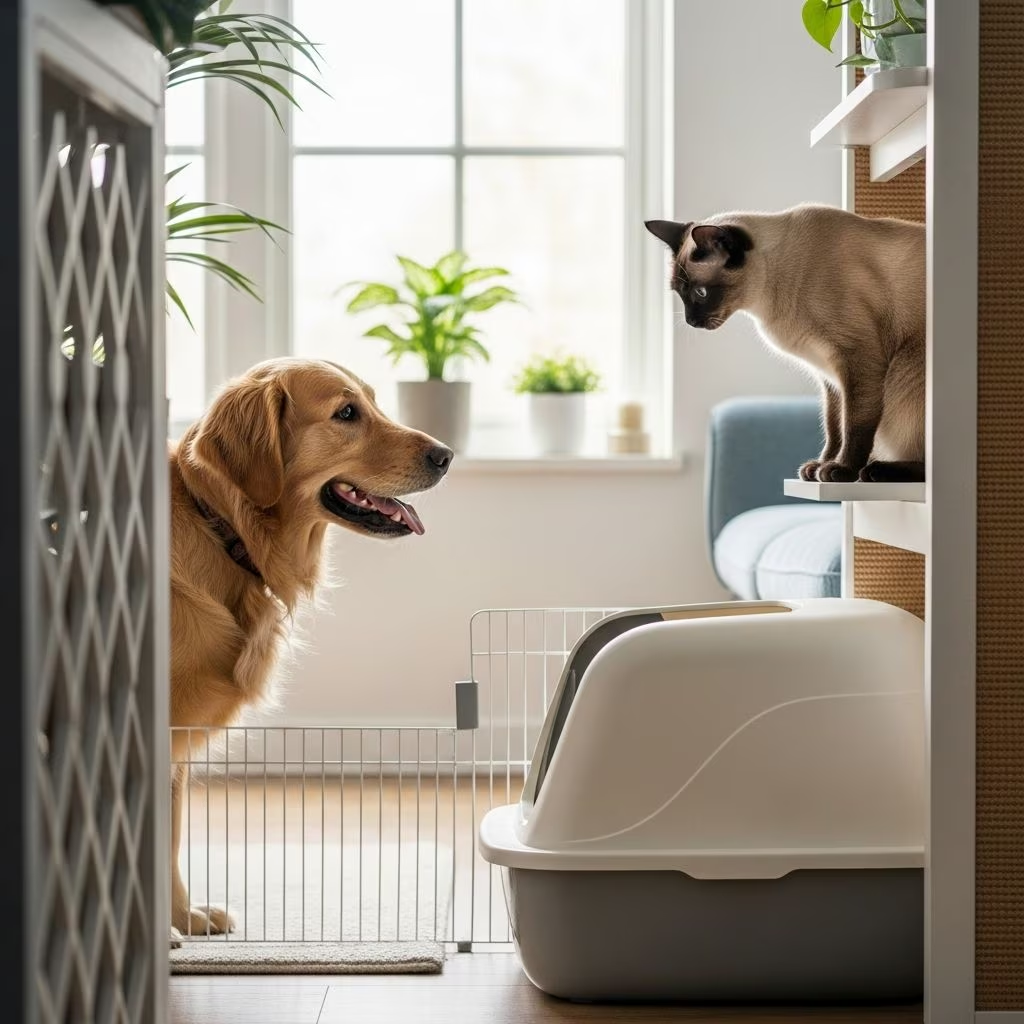
Dogs often target cat litter boxes due to the appealing nutrient-rich smell of cat feces, but this habit poses health risks like parasites and digestive upset. Implementing barriers, consistent cleaning, targeted training, and environmental changes can eliminate the issue effectively.
Understanding the Reasons Behind the Behavior
Dogs may eat cat poop because feline diets are high in protein and fat, making the waste smell like a treat to canine senses. Nutritional gaps in a dog’s diet, boredom, anxiety, or instinctual scavenging can drive this compulsion. Unlike dogs, cats are obligate carnivores with concentrated feces packed with undigested nutrients, turning the litter box into an irresistible snack spot for opportunistic eaters.
Health concerns amplify the urgency: cat feces can transmit parasites such as Toxoplasma gondii or roundworms, potentially causing vomiting, diarrhea, or severe infections in dogs. Puppies and immunocompromised pets face higher risks, so addressing the root causes promptly safeguards both animals.
Physical Barriers: Making the Litter Box Inaccessible
The most straightforward prevention starts with denying access. Relocate the litter box to a dog-free zone while ensuring your cat can still use it comfortably.
- Baby Gates with Cat Doors: Install a sturdy baby gate featuring a small flap or cutout sized for cats only. This blocks larger dogs while allowing agile felines easy entry.
- Elevated Platforms: Construct or buy a raised shelf above your dog’s reach, like on a counter or custom stand. Provide ample space for the cat to enter, turn, and exit without stress—cats dislike cramped spots. Avoid vibrating appliances like washers, as they deter cats from using the box.
- Top-Entry or Covered Boxes: Switch to litter boxes with top-entry designs or secure lids that cats paw open but dogs can’t navigate. Add privacy curtains to shielded models to mask odors further.
These setups require minimal ongoing effort and succeed in most households, especially with medium to large dogs. Test cat comfort first; reluctant use signals redesign needs.
Litter Box Management: Cleanliness as Deterrence
A spotless litter box removes temptation at the source. Fresh waste emits stronger attractants, so frequent scooping starves the habit.
| Method | Benefits | Implementation Tips |
|---|---|---|
| Manual Scooping | Immediate waste removal | Scoop 1-2 times daily; use gloves and dispose securely |
| Automatic Scoopers | Hands-free cleaning | App-monitored devices like self-cleaning boxes maintain hygiene remotely |
| Odor Blockers | Reduces scent appeal | Sprinkle pet-safe neutralizers post-scooping |
Combine routines with high-sided boxes to limit digging. If multiple cats share, scale up cleaning frequency to match usage.
Training Techniques: Teaching ‘Leave It’ Commands
Behavioral training builds long-term aversion without force. Positive reinforcement works best, leveraging treats and praise for compliance.
- Basic ‘Leave It’ Drill: Hold a low-value item (simulate poop) in one hand, a high-value treat in the other. Say “leave it,” reward ignoring the item. Progress to litter box proximity.
- Redirection Practice: Spot your dog nearing the box, issue the command firmly, then redirect to a toy or walk. Reward instant obedience lavishly.
- Consistency Across Household: All family members must use identical cues—no mixed signals. Sessions last 5-10 minutes daily for steady progress.
Expect 2-4 weeks for habits to shift. Pair with leashed supervision initially to interrupt attempts gently.
Deterrents and Taste Aversions: Short-Term Aids
While not foolproof, repellents buy time during training. Avoid over-reliance, as dogs adapt quickly.
- Spicy Sprays: Lightly mist litter with pet-safe cayenne, black pepper, or hot sauce dilutions. One unpleasant taste often suffices. Reapply after cleaning; test on small areas to ensure cat tolerance.
- Commercial Additives: Cat food supplements claim to bitter feces, but evidence is anecdotal and inconsistent. Prioritize proven barriers instead.
- Motion Sprinklers (Outdoor): For yard invasions, deploy water sprays to scare off both dog and stray cats.
Steer clear of enclosed boxes alone—many dogs breach them enthusiastically.
Addressing Underlying Causes: Diet, Exercise, and Enrichment
Fix root triggers to prevent relapse. A balanced life curbs scavenging instincts.
Nutritional Review: Consult a vet to rule out deficiencies prompting poop-eating, aka coprophagia. Switch to premium, complete kibble if needed.
Exercise Regimen: Daily 30-60 minute walks plus play sessions burn energy and reduce boredom. Tired dogs ignore litter boxes.
Mental Stimulation: Puzzle feeders, chew toys, and training games occupy curious minds. Rotate items weekly to sustain interest.
Anxious dogs benefit from calming aids like pheromone diffusers, but vet approval is essential.
Health Checks and Multi-Pet Harmony
Schedule deworming and fecal exams for both pets to mitigate parasite risks. Monitor for signs like lethargy or bloody stool post-incident.
For neighbor cat issues, install fence toppers or netting to block access. Foster positive inter-pet bonds through supervised play, reducing territorial raids.
Frequently Asked Questions
Why is my dog suddenly eating cat poop?
Triggers include diet changes, stress, or newfound access. Vet check rules out medical issues.
Will a covered litter box stop my dog?
Not reliably—many dogs access interiors. Combine with gates.
How long until training works?
1-4 weeks with daily practice. Patience yields results.
Is cat poop dangerous for dogs?
Yes, risks include worms and bacteria. Prevent proactively.
What if barriers stress my cat?
Observe usage; adjust height or add ramps. Cats adapt quickly.
Long-Term Success Strategies
Layer methods: barriers first, then training and enrichment. Track progress weekly, tweaking as needed. Multi-pet homes thrive on routine and supervision, turning nuisance into non-issue.
References
- How to Stop Your Dog from Eating Cat Poop: Effective Strategies and Tips — Catlink US. 2023. https://www.catlinkus.com/blogs/news/how-to-stop-your-dog-from-eating-cat-poop-from-litter-box
- Stop dogs from eating cat poop — Animal Behavior College. 2022-10-15. https://www.animalbehaviorcollege.com/blog/lifestyle/health/how-to-stop-your-dog-from-eating-cat-poop/
- Why Do Dogs Eat Cat Poop? — American Kennel Club. 2024-05-20. https://www.akc.org/expert-advice/training/why-does-my-dog-eat-cat-poop/
- Why Do Dogs Eat Cat Poop & How to Stop It — MetLife Pet Insurance. 2023-11-08. https://www.metlifepetinsurance.com/blog/pet-behavior/why-do-dogs-eat-cat-poop/
- A Dog Eating Cat Poop From Neighbor’s Cats — BOOMER Magazine. 2023. https://www.boomermagazine.com/a-dog-eating-cat-poop-from-neighbors-cats/
- Stool Eating: Your Dog’s Dirty Little Secret — Southcare Vet. 2024-01-12. https://www.southcarevet.com/blog/stool-eating-your-dogs-dirty-little-secret



