

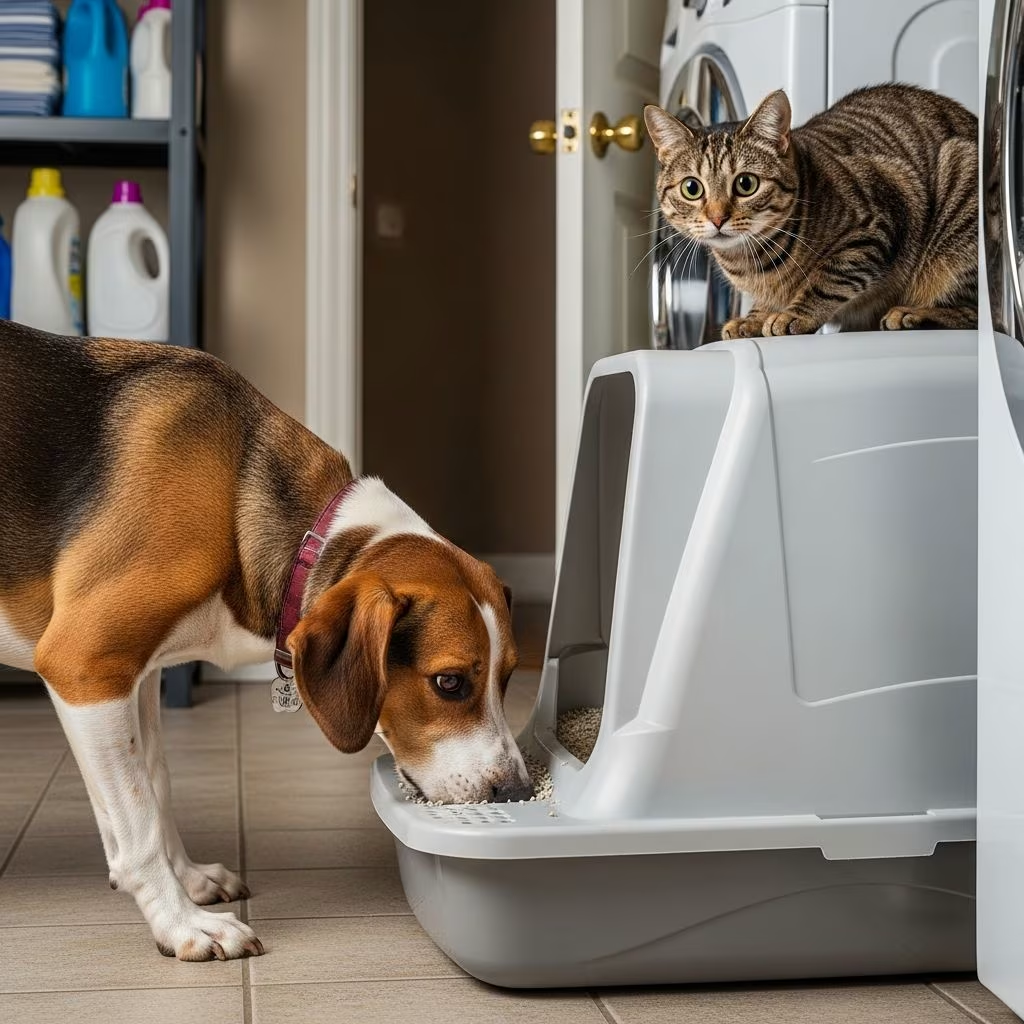
Dogs eating cat litter is a widespread issue in households with both cats and dogs, driven by instinctual behaviors and environmental factors. This habit, known as coprophagia when involving feces, poses significant health threats and requires immediate intervention through targeted strategies.
Understanding the Instinct Behind Litter Box Raids
Dogs often target cat litter boxes due to their innate scavenging nature. Cat feces emit strong odors from high-protein diets, which appeal to a dog’s heightened sense of smell, mimicking the aroma of appealing food sources. This attraction stems from evolutionary traits where canines consumed nutrient-dense waste to survive in the wild.
Besides scent, curiosity plays a key role, especially in puppies and understimulated adults. Boredom prompts exploration of novel textures and smells in the litter box, turning it into an unintended playground or snack spot.
- **Puppies and young dogs:** More prone to tasting everything during developmental phases.
- **Adult dogs:** May repeat the behavior if not mentally engaged.
- **Multi-pet dynamics:** Cats’ efficient digestion leaves semi-digested proteins that dogs crave.
Nutritional and Medical Triggers for This Behavior
Not all cases are purely behavioral; underlying deficiencies can fuel litter consumption. Dogs missing essential minerals, fiber, or enzymes might seek them in cat waste, which retains undigested nutrients. A suboptimal diet or inadequate portion sizes exacerbates this, prompting compensatory eating.
Health conditions amplify the risk. Parasitic infections, gastrointestinal disorders, diabetes, thyroid imbalances, or enzyme shortages heighten appetite for non-food items, signaling pica—a compulsive ingestion disorder. Sudden onset warrants professional evaluation to rule out these issues.
| Potential Cause | Symptoms to Watch | Action Step |
|---|---|---|
| Nutrient Deficiency | Frequent non-food eating | Review diet with vet |
| Parasites/Diabetes | Increased hunger, weight changes | Fecal tests, bloodwork |
| Boredom/Curiosity | Intermittent raiding | Increase stimulation |
Serious Health Risks of Ingesting Cat Litter and Feces
Allowing this behavior unchecked invites grave dangers. Cat feces harbor pathogens like Salmonella, E. coli, and roundworms, transmissible to dogs and potentially humans. Bacterial infections cause diarrhea, vomiting, and fever, while parasites lead to anemia and organ damage.
Litter itself compounds threats. Clumping varieties with sodium bentonite swell in the gut, risking intestinal blockages—especially hazardous for small breeds. Ingesting large amounts triggers toxicity symptoms like lethargy, weakness, and low potassium. Scented or crystal litters irritate digestive tracts or introduce chemicals.
Medication residues from a cat’s treatments pass through feces, poisoning dogs. Preventive Vet notes blockages demand urgent surgery if untreated.
- Bacterial infections: Acute gastrointestinal upset.
- Parasite transmission: Long-term debilitation.
- Litter blockages: Emergency veterinary care.
- Toxicity: Neurological and muscular effects.
Environmental Modifications to Block Access
The most reliable first step is physical prevention. Relocate the litter box to dog-proof zones using baby gates, doors, or elevated platforms cats can navigate but dogs cannot.
Upgrade to specialized litter furniture: top-entry boxes, enclosed cabinets with cat flaps, or self-cleaning models that rapidly dispose of waste, minimizing temptation. Maintain scrupulous cleanliness—scoop daily to reduce odors drawing dogs in.
Quick Access Barriers
- Baby gates with cat-sized gaps.
- High shelves or wall-mounted boxes.
- Door-mounted enclosures.
- Litter mats with deterrents.
Training Techniques to Curb the Habit
Positive reinforcement training transforms behavior over time. Teach “leave it” by presenting a litter-like cue, rewarding ignores with high-value treats. Practice consistently near the box under supervision.
Redirect attention: When your dog approaches, interrupt with toys or commands, praising compliance. Basket muzzles during unsupervised periods prevent access while acclimating through rewards. Consistency across family members ensures success.
- Start sessions in low-distraction areas.
- Use short, frequent practices.
- Gradually increase proximity to litter box.
- Combine with enrichment toys.
Boosting Mental and Physical Enrichment
Boredom fuels mischief; counter it with robust routines. Daily walks, fetch sessions, and agility games burn energy, reducing litter interest. Mental puzzles like treat-dispensing balls, sniff mats, and obedience drills occupy inquisitive minds.
Rotate toys weekly to sustain novelty. Interactive feeders slow meals, mimicking foraging and curbing hunger-driven scavenging.
Dietary Adjustments for Lasting Prevention
Consult vets for premium, balanced kibble meeting AAFCO standards, rich in proteins, fibers, and enzymes. Supplements like probiotics aid digestion if deficiencies persist. Avoid overfeeding cat food to dogs—its richness disrupts canine guts.
Transition foods gradually over 7-10 days to prevent tummy upset. Monitor weight and stool quality post-changes.
Deterrents and Litter Switches
Repel with citrus sprays, motion-activated air puffs, or bitter enzyme additives on litter. Opt for unscented, non-clumping, plant-based litters less palatable and safer if nibbled.
Test small batches to ensure cat acceptance before full switch.
Recognizing When Veterinary Help is Essential
If interventions fail after 2-4 weeks, or symptoms like vomiting, constipation, lethargy, or blood in stool appear, seek immediate care. Vets perform fecal exams, blood panels, and ultrasounds to diagnose pica, parasites, or blockages.
Behaviorists address compulsive cases via tailored plans.
Frequently Asked Questions
Is occasional litter eating harmless?
No— even sporadic incidents risk infections or blockages. Address promptly.
Will changing cat litter deter my dog?
Often yes; unscented, non-clumping options reduce appeal significantly.
How long until training works?
1-4 weeks with daily consistency; patience is key.
Can my healthy dog still do this?
Yes, primarily from taste preference or boredom, not always illness.
Is coprophagia normal in dogs?
Common but undesirable; stems from instinct but manageable.
Building a Peaceful Multi-Pet Household
Integrate strategies holistically: barriers + training + enrichment yield 90% success rates in owner reports. Track progress in a journal, adjusting as needed. Celebrate milestones to motivate persistence.
Ultimately, curbing litter eating fosters safety, cleanliness, and harmony, allowing cats private relief and dogs healthier outlets.
References
- Dog Eating Cat Litter: Why It Happens and How to Stop It — Petworks. 2023. https://www.petworks.com/articles/dog-eating-cat-litter/
- Explained: The Phenomenon of Dogs Eating Cat Poop — Care.com. 2023. https://www.care.com/c/why-do-dogs-eat-cat-poop/
- 8 Tips to Keep Your Dog Out of the Cat’s Litter Box — Preventive Vet. 2023. https://www.preventivevet.com/pets/my-dog-is-eating-cat-poop
- Why Do Dogs Eat Cat Poop? — American Kennel Club. 2023-10-15. https://www.akc.org/expert-advice/training/why-does-my-dog-eat-cat-poop/
- Poop, there it is: The real story behind why your dog eats poop — Animal Humane Society. 2023. https://www.animalhumanesociety.org/resource/poop-there-it-real-story-behind-why-your-dog-eats-poop



