

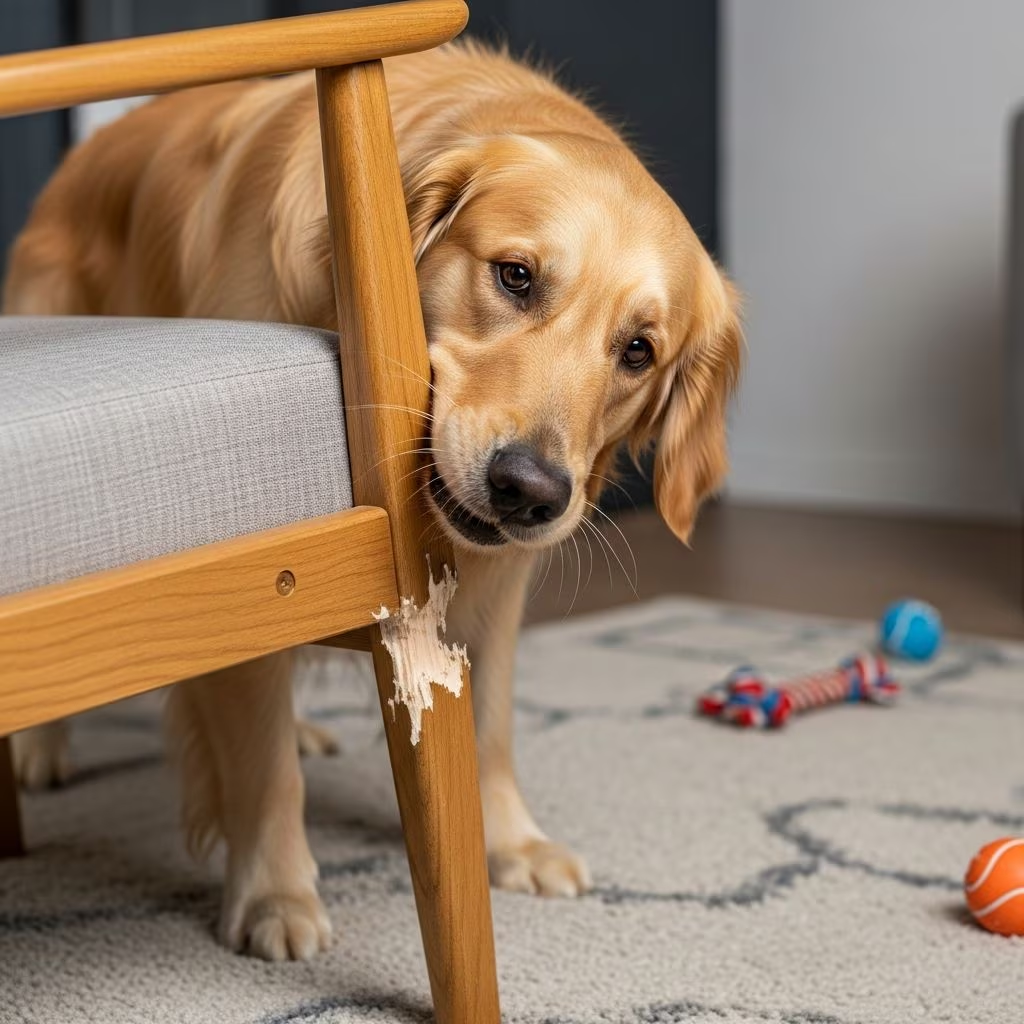
Chewing furniture is a common issue for dog owners, often stemming from natural instincts, boredom, or unmet needs. Addressing it requires understanding the root causes and implementing targeted solutions like proper exercise, suitable toys, and deterrents to safeguard your home while supporting your dog’s well-being.
Understanding Why Dogs Chew Household Items
Dogs chew for various reasons tied to their biology and environment. Puppies explore the world through their mouths, using chewing to relieve teething discomfort as adult teeth emerge. Adult dogs may chew to alleviate stress, combat boredom, or simply because they lack appropriate outlets for this innate behavior.
Insufficient physical activity can lead to excess energy, prompting destructive habits. Similarly, a lack of mental challenges leaves dogs understimulated, turning furniture into unintended targets. Attention-seeking plays a role too; even scolding provides interaction, reinforcing the behavior unintentionally.
- Teething in puppies: Causes soreness, making soft wood or upholstery appealing.
- Boredom or anxiety: Chewing self-soothes during alone time.
- Exploration: Normal for young dogs learning about textures.
- Attention: Negative reactions still fulfill social needs.
Recognizing these triggers is the first step to effective intervention, ensuring solutions match the underlying motivation.
Boosting Exercise to Curb Destructive Habits
Regular physical activity burns energy and reduces the urge to chew. Dogs left alone for long periods build frustration, which manifests as furniture damage. Increasing walks, play sessions, or incorporating dog sports can transform this behavior.
Aim for at least 30-60 minutes of daily exercise, adjusted for breed and age. High-energy breeds like Border Collies need more than sedentary companions like Bulldogs. Combine leashed walks with off-leash park time for variety.
| Activity Type | Duration | Benefits |
|---|---|---|
| Brisk walks | 20-40 min | Builds endurance, tires body |
| Fetch or tug | 15-30 min | Engages mentally, strengthens bond |
| Dog park play | 30-60 min | Socialization, natural fatigue |
| Obstacle courses | 20 min | Problem-solving, full-body workout |
Before leaving home, provide a vigorous session to promote calm. Hiring a dog walker for midday outings prevents prolonged solitude, minimizing opportunities for mischief.
Providing the Right Chew Alternatives
Offering appealing, safe chew toys redirects energy from furniture to designated items. Not all toys suit every dog; preferences vary by texture, size, and durability. Rotate options weekly to maintain interest and prevent boredom.
Select toys matching your dog’s chewing style. Aggressive chewers benefit from tough rubber Kongs filled with treats, while plush destroyers enjoy durable fabric toys without small parts. Puppies need softer materials to protect emerging teeth.
- Rubber toys: Firm yet yielding, ideal for stuffing with peanut butter.
- Rope toys: Textured for tugging, safe for supervised play.
- Plush toys: For light chewers; remove loose filling promptly.
- Wood-like chews: Mimic furniture texture without splinters.
Make toys enticing by applying dog-safe flavors like broth. Place them near chewing hotspots initially, praising use to build positive associations. Discard damaged items to avoid ingestion risks.
Implementing Taste Deterrents Effectively
Bitter sprays and homemade solutions make furniture unappealing without harm. Commercial products like Bitter Apple coat surfaces with a foul taste dogs avoid after one try. Apply daily for 3-4 weeks to break habits.
DIY options include vinegar-lemon mixes or diluted cayenne. A 1:5 ratio of apple cider vinegar to water repels most dogs effectively. Reapply after cleaning, testing on inconspicuous areas first to avoid stains.
- Spray targeted areas like chair legs or couch corners.
- Supervise initial applications to observe reactions.
- Combine with redirection to toys for reinforcement.
Lemon peels rubbed on surfaces provide a natural sour deterrent, as noted by trainers for quick fixes. Avoid overusing spicy solutions, as excessive licking may cause mild stomach upset.
Managing Access and Supervision
Prevention through confinement works wonders, especially during training phases. Use baby gates or crates to limit access to problem areas when unsupervised. This denies opportunity while you establish better habits.
Crate training fosters security, associating it with comfort via treats and toys. For open spaces, furniture covers or aluminum foil alter textures, discouraging repeats. Always pair with positive reinforcement elsewhere.
Constant supervision allows immediate correction: interrupt chewing with a firm “leave it,” then offer a toy. Consistency prevents mixed signals.
Enhancing Mental Stimulation
Beyond physical outlets, brain games tire dogs mentally, reducing chewing urges. Puzzle toys dispense treats upon manipulation, mimicking foraging instincts. Training new tricks builds focus and rewards.
- Hide-and-seek: Conceal treats around rooms for scent work.
- Lick mats: Spread yogurt for prolonged engagement.
- Scent games: Bury toys in blankets for digging practice.
- Obstacle training: Navigate homemade courses for confidence.
Introduce novel experiences like new walking routes or safe chew varieties. These keep life engaging, minimizing stress-induced destruction.
Training Techniques for Long-Term Success
Teach commands like “leave it” or “off” using positive methods. Start with low-value items, rewarding compliance before progressing to temptations. Consistency across household members ensures reliability.
Air canister noisemakers paired with verbal cues deter jumping or chewing without physical punishment. Practice in short sessions daily, gradually fading aids as obedience solidifies.
Addressing Underlying Health or Anxiety Issues
Persistent chewing may signal nutritional gaps, dental pain, or separation anxiety. Consult a vet to rule out medical causes. For anxiety, pheromone diffusers or calming aids provide relief alongside behavioral changes.
Professional trainers help with severe cases, tailoring plans to individual needs.
Frequently Asked Questions
Why does my adult dog suddenly chew furniture?
Changes like routine disruptions, stress, or boredom often trigger it. Increase exercise and toys promptly.
Are bitter sprays safe for all dogs?
Yes, when used as directed; test small areas and supervise first use.
How long until chewing stops?
Typically 2-4 weeks with consistent multi-method application.
What if my puppy ignores chew toys?
Enhance appeal with flavors, rotate frequently, and model use.
Can exercise alone solve this?
Often not; combine with toys and management for best results.
References
- Why Does My Dog Chew My Furniture and Baseboards? — American Kennel Club. 2023-05-15. https://www.akc.org/expert-advice/training/why-does-my-dog-chew-my-furniture-and-baseboards/
- Preventing Unwanted Chewing — Wisconsin Humane Society. 2024-02-10. https://www.wihumane.org/chewing
- How to Stop Your Dog’s Destructive Chewing — Humane World. 2023-11-20. https://www.humaneworld.org/en/resources/stop-your-dogs-chewing
- Genius Hack To Stop Your Dog From Chewing Furniture — Rachael Ray Show (YouTube transcript via trainer Brandon McMillan). 2019-06-12. https://www.youtube.com/watch?v=siHQPKZE2yk
- Home Remedies to Stop Your Dog Chewing on the Furniture — SparkPaws. 2024-01-08. https://www.sparkpaws.com/blogs/community/stop-dog-chewing-furniture-home-remedies



