Stop Dog Urine from Killing Your Grass
Practical strategies to safeguard your lawn from dog urine damage while keeping your pet healthy and happy.
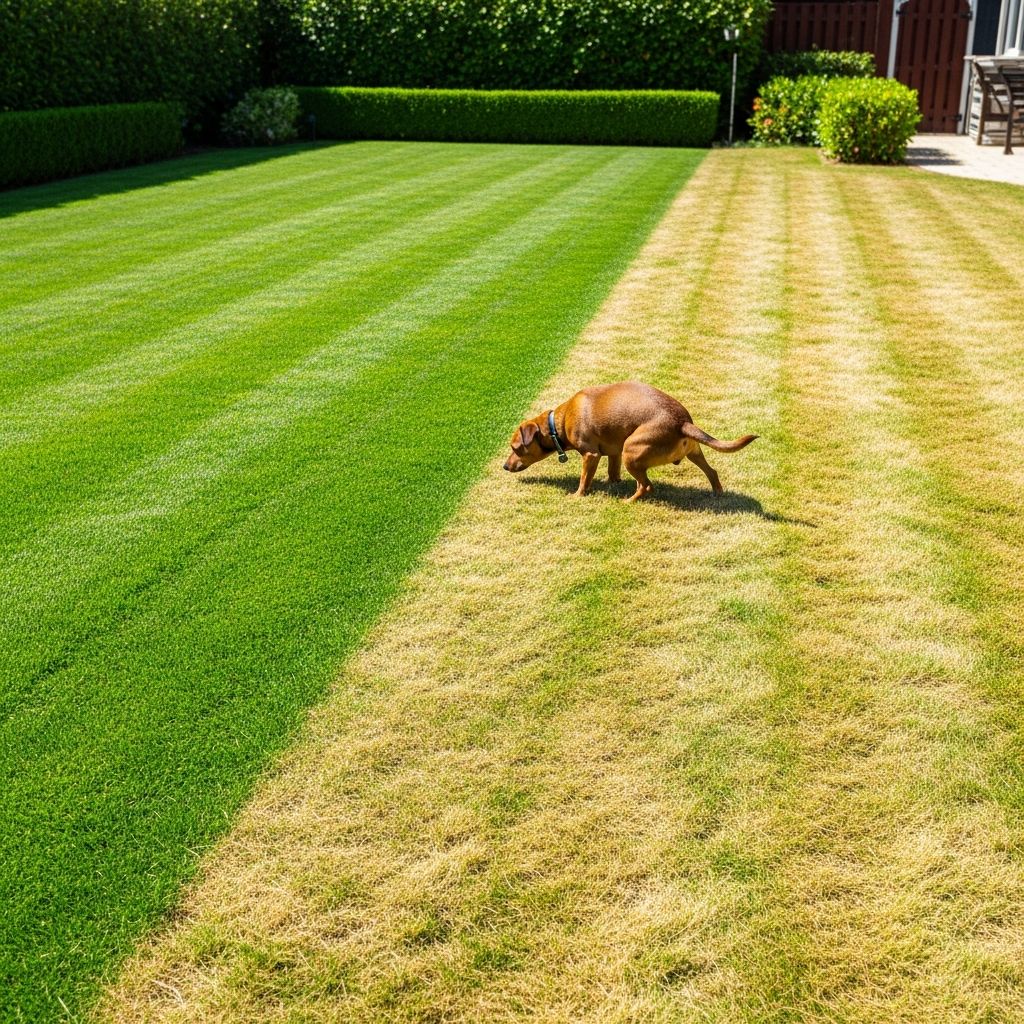
Dog urine often creates unsightly brown patches on lawns due to its high nitrogen and salt content, which acts like an overdose of fertilizer when concentrated in one spot. Homeowners can mitigate this issue through targeted training, immediate dilution techniques, and lawn maintenance practices that promote resilience.
Understanding the Science Behind Lawn Damage from Dog Urine
The primary culprit is nitrogen, a key nutrient in dog urine derived from protein metabolism. When a dog urinates, it deposits this nitrogen along with salts into a small area, overwhelming grass roots and causing them to burn and die. This effect mimics fertilizer burn, where excess nutrients scorch the turf rather than nourish it.
Concentration matters most: dogs that squat—typically females or smaller males—release a steady stream that soaks one location deeply, amplifying damage. Males that lift a leg often spread urine more widely, reducing impact per spot. Factors like dehydration or high-protein diets increase nitrogen levels, making urine more potent.
Myths abound, such as claims that only female dogs cause spots or that urine’s pH is the issue. In reality, damage stems from nitrogen and salt buildup, not alkalinity, and both genders can contribute based on urination style.
Immediate Actions to Minimize Urine Impact
Act quickly after your dog urinates to prevent lasting harm. Rinse the area with a hose or watering can within minutes to dilute nitrogen and salts before they penetrate deeply. This simple step flushes excess compounds into the soil, where they disperse harmlessly.
- Use a strong spray pattern to thoroughly soak the spot, aiming for at least a gallon of water per urination site.
- Make it routine: keep a hose handy or train yourself to follow your dog immediately.
- For multiple dogs, prioritize high-traffic areas to avoid cumulative buildup.
Incorporate daily walks, especially first thing in the morning, to encourage urination off-property. This reduces overall yard exposure while providing exercise benefits.
Training Your Dog for a Designated Potty Zone
Directing urination to a specific, non-grass area confines damage and simplifies management. Choose a spot like a mulched bed, gravel patch, or artificial turf zone that’s comfortable for paws and easy to clean.
- Select a consistent location away from prized lawn sections.
- Use positive reinforcement: reward with treats or praise only when they use the zone.
- Ignore accidents elsewhere but dilute promptly to avoid reinforcement of bad habits.
Consistency yields results in weeks. For stubborn cases, use scent markers like previous urine to attract repeat visits. Fencing off the zone ensures compliance without restricting yard access.
Diet and Hydration Adjustments for Healthier Urine
Encourage ample water intake to dilute urine naturally. Add water to meals or use pet fountains to boost consumption. Avoid over-relying on diuretics like salt or garlic, as they may upset digestion.
Balance protein levels: excessive amounts from jerky treats or raw diets concentrate nitrogen. Opt for commercial foods meeting AAFCO standards, which regulate nutrient profiles for pet health without excess waste potency.
| Diet Tip | Benefit | Caution |
|---|---|---|
| Increase water in food | Dilutes urine nitrogen | Monitor for loose stools |
| Moderate protein (20-30%) | Reduces waste concentration | Consult vet for breed needs |
| Pet-safe supplements | May aid dilution | Avoid unproven acidifiers |
These tweaks support urinary health without compromising nutrition.
Selecting and Maintaining Urine-Resistant Turf
Not all grasses react equally. Opt for resilient varieties during reseeding or renovation to withstand occasional exposure.
- Fescue: Tall or fine types tolerate nitrogen better, with deep roots for recovery.
- Ryegrass: Perennial or annual strains fill spots quickly and resist burn.
- Kentucky Bluegrass: Less ideal but recoverable with overseeding.
Maintain vigor through regular watering, pet-safe fertilization, and mowing at proper heights. Well-fed lawns handle stress better, masking minor damage.
Step-by-Step Guide to Repairing Urine-Damaged Spots
Brown patches signal dead grass, but revival is possible with prompt intervention.
- Assess and flush: Water deeply multiple times over days to leach salts.
- Remove dead turf: Rake out browned blades and 0.5-1 inch of soil if roots are gone.
- Amend soil: Mix in topsoil or compost for nutrients and drainage.
- Seed or sod: Apply urine-resistant seed like ryegrass; keep moist until germination (7-14 days).
- Protect: Use straw mulch or temporary fencing against re-urination.
For large areas, consider full reseeding in fall or spring. Consistent care prevents recurrence.
Alternative Yard Solutions for Heavy Pet Traffic
For persistent issues, rethink landscaping. Install pee pads indoors for apartments, or create dog runs with decomposed granite, rubber mulch, or porous pavers that drain well without grass.
- Gravel beds: Inexpensive, low-maintenance, and paw-friendly.
- Bark mulch: Soft underfoot, suppresses weeds.
- Synthetic turf: Drains urine away, remains green year-round.
These options preserve aesthetics while eliminating grass concerns.
Frequently Asked Questions
Does dog urine damage only affect certain grass types?
Yes, cool-season grasses like Kentucky bluegrass are more susceptible, while fescues and ryes show greater tolerance due to robust root systems.
Can supplements prevent lawn spots?
Some claim to acidify urine, but evidence is lacking; focus on dilution and training instead.
How much water dilutes urine effectively?
Aim for 1-2 gallons per spot immediately after, followed by normal irrigation.
Is male dog urine less damaging?
Not inherently, but leg-lifting spreads it thinner, reducing concentration per area.
When should I reseed damaged areas?
Best in cooler months; avoid summer heat to aid germination.
Long-Term Strategies for a Thriving Lawn and Happy Dog
Combine methods for best results: train for zones, dilute routinely, hydrate your pet, and choose hardy grasses. Regular lawn care—deep watering weekly, balanced fertilizers, and aeration—builds resilience. Monitor for patterns and adjust as needed. With these steps, your yard stays lush, and your dog enjoys freedom without fallout.
Professional landscapers or vets can tailor advice for specific breeds or soil types, ensuring harmony between pet and property.
References
- How to Protect Your Lawn From Dog Urine — Wards Corner Animal Hospital. Accessed 2026. https://wardscorneranimalhospital.com/how-to-protect-your-lawn-from-dog-urine/
- Dog Urine Damage on Lawns: Causes, Cures and Prevention — Colorado State University Extension (CMG GardenNotes #553). Accessed 2026. https://cmg.extension.colostate.edu/Gardennotes/553.pdf
- Vet Q&A: How can I stop dog pee killing grass? — People’s Dispensary for Sick Animals (PDSA). Accessed 2026. https://www.pdsa.org.uk/what-we-do/blog/vet-qa-how-can-i-stop-dog-pee-killing-grass
- Why Is Dog Pee Killing Your Grass — And How to Stop It — American Kennel Club (AKC). Accessed 2026. https://www.akc.org/expert-advice/home-living/dog-pee-killing-grass/
- How to Fix Dog Urine Spots on Lawns — Pennington Seed. Accessed 2026. https://www.pennington.com/all-products/grass-seed/resources/healthy-lawns-and-happy-dogs
- How To Keep Dog Pee From Ruining Your Lawn — PetMD. Accessed 2026. https://www.petmd.com/dog/general-health/how-to-keep-dog-pee-from-ruining-lawn
Similar Articles








Read full bio of medha deb