

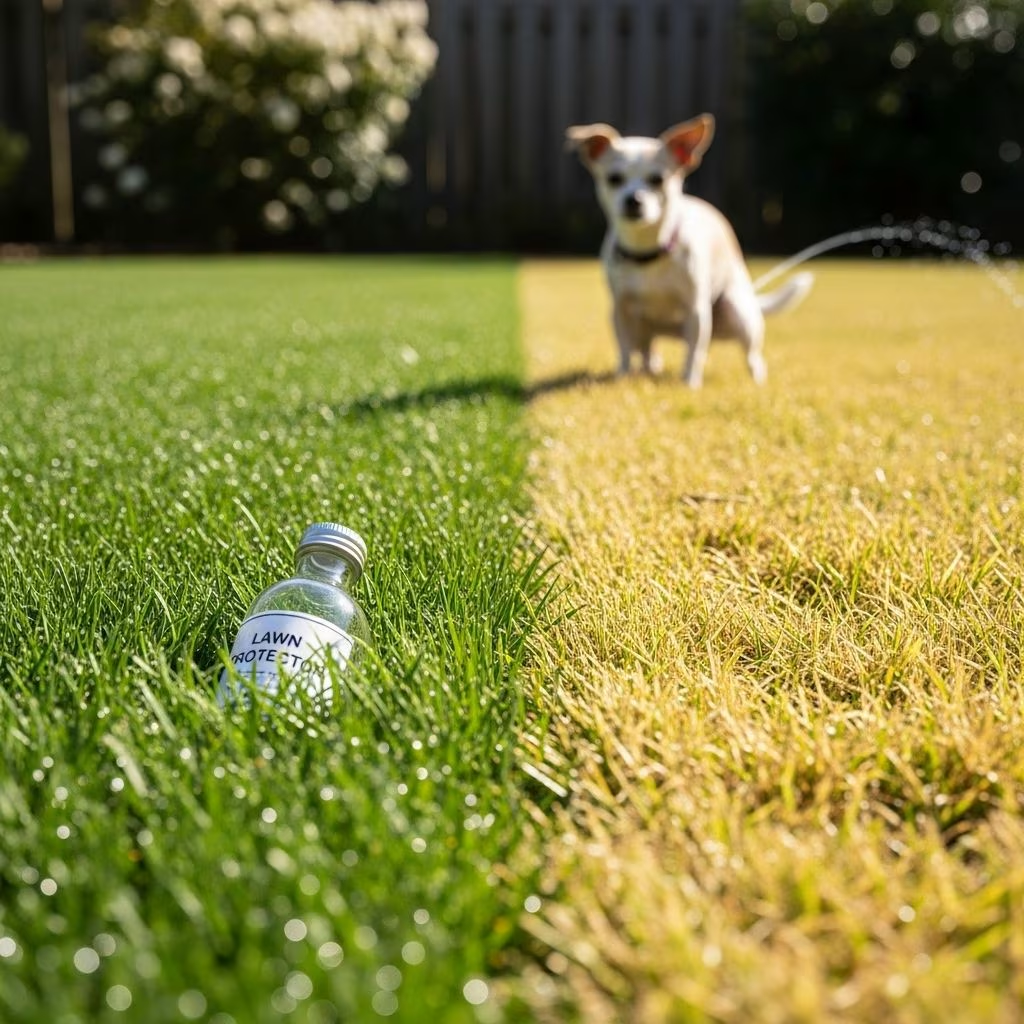
Dog urine often creates unsightly brown patches on lawns due to its high nitrogen and salt content, which overwhelms grass roots when concentrated in small areas. Effective prevention involves diluting urine through watering, adjusting dog diets, selecting resilient grass types, and targeted repairs to restore your yard’s health.
Understanding the Science Behind Lawn Damage from Dog Urine
Dog urine contains elevated levels of nitrogen from protein metabolism, filtered by the kidneys into a concentrated stream that acts like a fertilizer overdose on grass. While nitrogen promotes growth in moderation, excess amounts burn plant tissues, especially in localized spots from a single urination event.
Several factors amplify this issue: dogs on high-protein diets produce more nitrogen-rich urine, and those drinking less water concentrate it further. Female dogs or males that squat deliver urine in a focused stream, worsening damage compared to standing males whose spray disperses it. Salts in urine also contribute by dehydrating roots, particularly on drought-stressed or heavily fertilized lawns.
Damage manifests as circular brown dead zones, 6-10 inches wide, often ringed by dark green halos from nitrogen stimulating surrounding growth. Grass varieties differ in tolerance: sensitive types like Kentucky bluegrass and Bermuda succumb quickly, while fescue and ryegrass resist better due to robust roots and faster recovery.
Immediate Actions to Minimize Urine Impact
The simplest defense is prompt dilution: hose down affected areas right after your dog urinates to flush nitrogen and salts away, hydrating the grass simultaneously. This reduces concentration enough to prevent burning and aids recovery even if spots appear.
- Keep a hose or watering can handy near common urination zones.
- Water deeply for 1-2 minutes per spot to penetrate roots.
- Combine with overall lawn irrigation to avoid salt buildup during dry spells.
Timing matters—act within minutes for best results, as urine soaks in quickly. Consistent habits turn this into a routine that preserves lawn vitality without much effort.
Diet and Hydration Tweaks for Your Dog
Encouraging more water intake dilutes urine naturally, lowering nitrogen potency. Provide fresh water bowls in multiple spots, add water to kibble, or switch to wet food for higher moisture.
Consult a vet before high-salt urinary diets, as they boost thirst but may not suit all dogs. Avoid unproven additives like garlic or tomato juice, which can harm health despite diluting effects. Moderating protein isn’t always needed, but balanced nutrition prevents excess nitrogen buildup.
| Strategy | Benefits | Drawbacks |
|---|---|---|
| Multiple water stations | Easy, cost-free, promotes drinking | Requires refilling |
| Wet or watered kibble | Dilutes urine effectively | Higher cost for canned food |
| Urinary health diets | Vet-approved thirst boost | Not for all dogs; vet consult needed |
Selecting and Planting Tougher Grass Varieties
Switch to urine-tolerant grasses for long-term resilience. Perennial ryegrass and tall fescue handle nitrogen surges well, growing quickly to outpace damage. Kentucky bluegrass struggles, so overseed sensitive lawns with these alternatives.
For repairs, use seed mixes like those with mulch for protection during germination. Keep dogs off new patches until mowed 3-4 times to ensure root establishment. Soil testing helps too—correct pH and low nitrogen with appropriate fertilizers to bolster tolerance.
- Test soil pH and nutrients via extension services.
- Choose fescue/rye blends for overseeding.
- Apply low-nitrogen fertilizer sparingly.
Repairing Existing Damage Step-by-Step
Brown spots can recover or require intervention. For minor discoloration, heavy watering flushes salts; surrounding grass often fills in. Severe dead areas need removal:
- Rake out dead grass and 0.5-1 inch of soil to eliminate contaminated roots.
- Fill with topsoil, tamp lightly to avoid compaction.
- Seed with resilient varieties or lay sod for faster results.
- Water consistently until established, using visual cues like drying mulch.
Green stimulated patches blend better with uniform fertilization—apply balanced products to even growth without overdoing nitrogen.
Training Your Dog to Use Designated Areas
Redirect urination to non-grass zones like mulched beds, gravel patches, or porous pavers. Praise and treats reinforce the habit; consistency yields results in weeks.
Designate a 4×4 foot mulch area blending with landscaping. Vary spots if needed to prevent concentrated wear. This protects prime lawn real estate while meeting your dog’s needs.
Fertilization and Lawn Maintenance Best Practices
Reduce overall nitrogen load with low-N fertilizers or less frequent applications, making grass less vulnerable to urine spikes. Mow high (3-4 inches) to shade soil and deepen roots, enhancing resilience.
Aerate compacted areas annually and irrigate deeply but infrequently to mimic natural conditions, flushing salts proactively.
Common Myths About Dog Urine Remedies
Many remedies fall short:
- Baking soda or gypsum: Minimal effect on salts/nitrogen.
- Supplements to acidify urine: Unproven and risky without vet oversight.
- Dietary salts like garlic: Can cause health issues.
Stick to evidence-based methods for reliable outcomes.
FAQs
Why do female dogs cause more lawn damage?
Their squatting posture concentrates urine in small areas, unlike the dispersed spray from standing males.
Can I use commercial urine neutralizers?
Some help mildly, but dilution via water is more effective and cheaper. Vet-approved options may complement.
How long until repaired spots are dog-safe?
Wait until grass is mowed 3-4 times for strong roots.
Does grass type really matter?
Yes—fescue and rye tolerate nitrogen better than bluegrass.
Will changing dog food fix this?
Moderately; focus on hydration first, as diet alone varies impact.
References
- How To Keep Dog Pee From Ruining Your Lawn — PetMD. 2023. https://www.petmd.com/dog/general-health/how-to-keep-dog-pee-from-ruining-lawn
- Urine Scalding on Grass — VCA Animal Hospitals. 2023. https://vcahospitals.com/know-your-pet/urine-scalding-on-grass
- Dog Urine Damage on Lawns — University of Maryland Extension. 2022. https://extension.umd.edu/resource/dog-urine-damage-lawns
- How to Fix Dog Urine Spots on Lawns — Pennington Seed. 2023. https://www.pennington.com/all-products/grass-seed/resources/healthy-lawns-and-happy-dogs
- Dog Urine Damage on Lawns: Causes, Cures and Prevention — Colorado State University Extension. 2020. https://cmg.extension.colostate.edu/Gardennotes/553.pdf



