

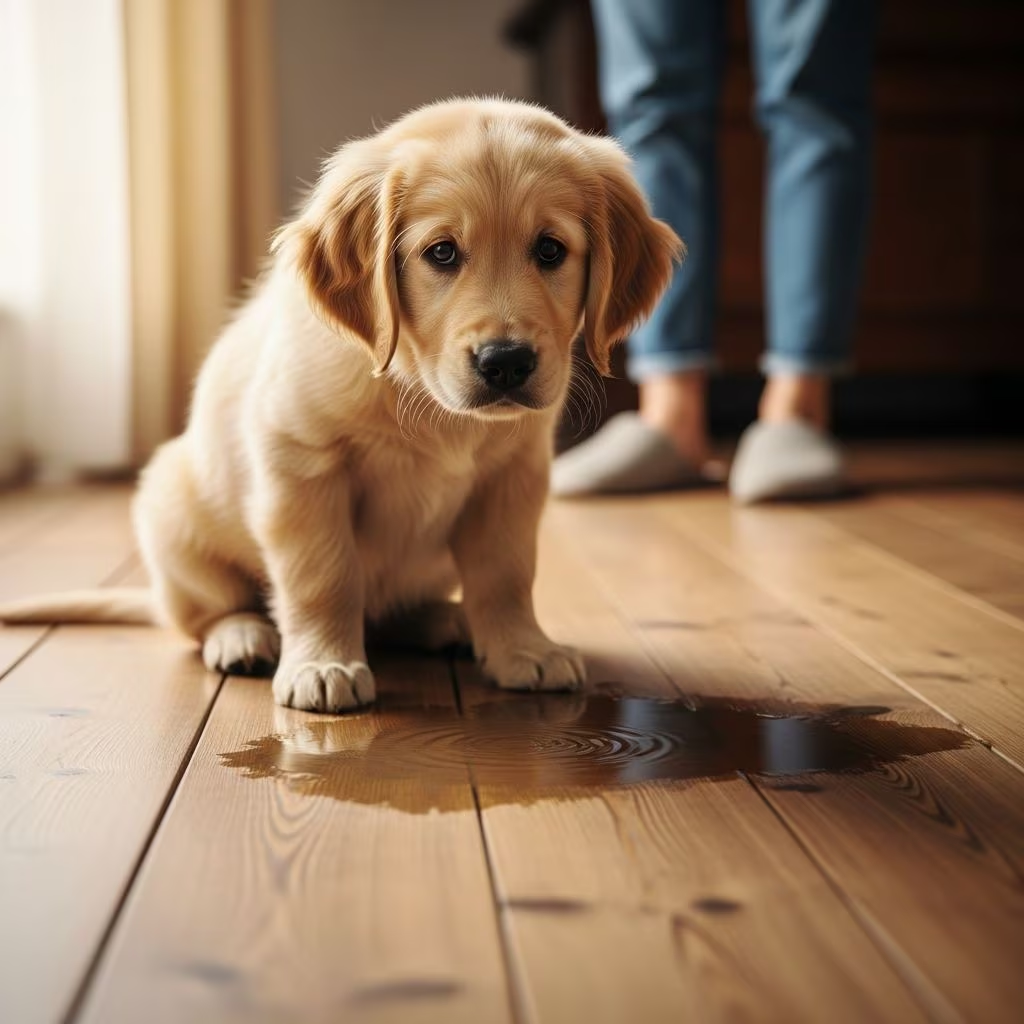
Understanding Dog Submissive Urination and Excited Peeing
Many dog owners face the frustrating challenge of dealing with inappropriate urination in their pets. Two common forms of this behavior are submissive urination and excited peeing. While these behaviors might seem similar on the surface, they stem from different emotional triggers and require distinct approaches to address them effectively. Understanding the differences between these two behaviors is crucial for implementing the right training strategy and helping your dog overcome this issue.
Submissive urination occurs when dogs feel anxious, threatened, or frightened. This is an instinctual response that dogs display to show deference and acknowledge another’s authority. Excited peeing, on the other hand, happens when dogs become overstimulated during greetings, playtime, or other high-energy situations. Recognizing which behavior your dog is exhibiting is the first step toward addressing the problem effectively.
What Causes Submissive Peeing in Dogs?
Submissive urination is fundamentally rooted in fear and anxiety. When dogs feel threatened or nervous, they may respond by urinating as a way to appease the perceived threat. Several environmental and behavioral factors can trigger this response in dogs.
Threatening Postures and Gestures
Dogs interpret certain human behaviors as threatening, even when we don’t intend them to be. The following actions can trigger submissive urination:
– Direct eye contact with the dog- Bending or leaning over the dog- Reaching toward the dog with your hands, particularly over the dog’s head- Hugging the dog- Approaching the dog head-on- Using a loud or stern voice
Understanding these triggers is essential for modifying your interactions with your dog and creating a less stressful environment.
Environmental and Historical Factors
Beyond immediate interactions, several underlying factors can make dogs more prone to submissive urination. Dogs with a history of punishment or trauma may be more likely to display this behavior. Additionally, dogs that had sheltered puppyhoods without adequate socialization may struggle with confidence. Incomplete house-training, particularly in adopted dogs unfamiliar with their new home’s rules, can also contribute to submissive urination. Some dogs may also experience separation anxiety, which can manifest as urination when they anticipate their owner leaving or during the excitement of reunions.
Recognizing Signs of Submissive Urination
Being able to identify submissive urination versus other forms of inappropriate elimination is critical for addressing the behavior correctly. Submissive urination is typically accompanied by specific body language indicators that signal fear or anxiety.
Physical Indicators of Submissive Behavior
When a dog is experiencing submissive urination, you’ll typically observe one or more of these physical signs:
– Flattening of the ears back against the head- Lowering of the head and neck- Avoiding eye contact or averting their gaze- Tucking the tail between the hind legs- Crouching or cowering- Rolling onto their back and exposing their belly- Licking lips or other appeasement behaviors
These submissive signals indicate that your dog is experiencing fear or anxiety and attempting to communicate their non-threatening status to you or another perceived authority figure.
Understanding Excited Peeing in Dogs
Excited urination is distinctly different from submissive urination and requires a different management approach. This behavior occurs when dogs become overstimulated during positive interactions, greetings, or play. Unlike submissive urination, excited peeing is not accompanied by signs of fear or anxiety. Instead, your dog may display signs of excitement such as wagging their tail, jumping, and engaging in playful behaviors while urinating.
How to Distinguish Excited Peeing from Submissive Urination
The key difference lies in body language. During excited peeing, dogs typically stand or walk while urinating and display signs of joy and enthusiasm. There is an absence of submissive signals such as tucked tails, flattened ears, or belly exposure. Excited peeing commonly occurs during greetings, playtime, and other high-energy interactions. This behavior is more frequently seen in puppies and young dogs and often resolves naturally as the dog matures and gains better bladder control and confidence.
Medical Causes to Rule Out
Before assuming your dog’s inappropriate urination is purely behavioral, it’s essential to consult with a veterinarian to rule out underlying medical conditions. Several health issues can mimic or contribute to submissive and excited urination.
Potential Medical Conditions
Urinary Tract Infections (UTIs): UTIs can cause dogs to pass urine without fully controlling the process, leading to inappropriate elimination. This is a common and treatable condition that should be ruled out first.
Urinary Incontinence: Some dogs may have weak bladder sphincter tone or other functional issues that prevent them from holding urine appropriately. This condition requires veterinary diagnosis and may involve medication.
Dietary Changes: If your dog has recently experienced changes in eating or drinking habits, their bathroom habits may also change. Your vet can assess whether dietary adjustments are needed.
Other Health Issues: Various health conditions can contribute to inappropriate urination, including hormonal imbalances, diabetes, and neurological issues. A comprehensive veterinary examination can identify these problems.
Training and Behavior Modification Strategies
Once medical causes have been ruled out, implementing targeted training and behavior modification strategies can significantly reduce or eliminate submissive and excited urination.
Managing Initial Greetings
The way you greet your dog plays a crucial role in managing both submissive and excited urination. The best strategy is to remain calm and composed when arriving home or greeting your dog. Act naturally without excessive excitement, and avoid immediate interaction. Allow your dog time to calm down before engaging with them. Typically, waiting five to ten minutes after arriving home can make a substantial difference in reducing excitement-related urination.
Key greeting techniques include:
– Ignore the dog initially upon arrival- Act calmly without talking or moving excitedly- Avoid petting the dog immediately- Do not make direct eye contact- Use a calm, measured tone of voice
Non-Threatening Interaction Techniques
When you do interact with your dog, employ body language and techniques that minimize perceived threats. This is particularly important for dogs displaying submissive urination. Get down to your dog’s level rather than standing over them, which can feel intimidating. Approach your dog from the side rather than head-on, as this is less confrontational. When petting, focus on gentle strokes under the chin rather than on top of the head, which can feel dominant and threatening.
Building Confidence Through Training
Engaging your dog in basic obedience training can significantly boost their confidence and help reduce both submissive and excited urination. Commands like “sit” and “stay” provide structure and help your dog understand expectations. Use a calm, assertive voice when giving commands, and always reward compliance with positive reinforcement. This builds your dog’s sense of security and their trust in you as a benevolent leader.
Desensitization and Counter-Conditioning
For dogs with specific triggers, gradual desensitization can be highly effective. If certain actions like reaching toward your dog or petting trigger urination, practice these actions in a very slow, calm manner. Start with non-threatening gestures and gradually increase to more direct interactions as your dog becomes comfortable. Always reward calm behavior with praise and treats. This helps your dog learn that these previously triggering actions are not threatening.
Creating a Supportive Home Environment
Beyond direct training, creating a calm, supportive environment can significantly reduce stress-related urination in your dog.
Environmental Management Strategies
Reduce Overstimulation: Minimize high-energy interactions and loud noises that may trigger your dog’s anxiety. During greeting times, keep the environment calm and controlled.
Establish Routine: Dogs thrive on consistency. Maintain a regular schedule for feeding, bathroom breaks, and playtime. This helps establish predictability and reduces anxiety.
Use Pheromone Products: Pheromone collars or plug-in diffusers can create a sense of security and calm for anxious dogs. These products release calming scents similar to those produced by nursing mother dogs.
Interactive Play: Focus on interactive toys that don’t require direct confrontation. Puzzle toys, treat-dispensing toys, and fetch games are excellent options. Avoid high-intensity games like tug-of-war that can increase excitement and anxiety.
What NOT to Do When Your Dog Has Accidents
Your response to accidents is critical. Many well-intentioned owners unknowingly reinforce inappropriate urination through their reactions.
Avoid These Common Mistakes
Don’t scowl or show frustration: Negative facial expressions and angry tones can frighten your dog and worsen submissive urination. Your dog may interpret your reaction as a threat, leading to more urination.
Don’t make angry comments: Scolding or expressing frustration can confuse and scare your dog, perpetuating the behavior.
Don’t completely ignore the behavior: While you shouldn’t punish, completely ignoring the incident means your dog won’t understand your response. Instead, redirect their attention calmly and positively.
Don’t use physical punishment: Any form of physical punishment will only increase your dog’s fear and anxiety, making submissive urination worse.
When to Seek Professional Help
If your dog’s submissive urination or excited peeing persists despite your best efforts, professional intervention can be invaluable. A qualified dog behavior professional or certified animal behaviorist can assess your dog’s specific situation and develop a tailored treatment plan. These professionals can identify patterns and triggers that might not be immediately obvious to you and can provide advanced techniques and strategies based on their expertise.
Professional help is particularly important if your dog has a history of trauma, severe anxiety, or if the behavior is significantly impacting your dog’s quality of life or your household dynamics.
Timeline and Expectations for Improvement
Managing submissive urination and excited peeing requires patience and consistency. These behaviors often improve naturally as dogs mature and gain confidence, particularly with excited peeing in puppies. However, with proper training and environmental management, you can significantly accelerate improvement. Most dogs show noticeable progress within several weeks of consistent training, though complete resolution may take several months. Remember that every dog is unique, and the timeline for improvement will vary based on your dog’s age, history, and the severity of the behavior.
Frequently Asked Questions
Q: Is submissive urination a sign of dominance problems in my dog?
A: No, submissive urination is actually the opposite of dominance issues. It indicates your dog views you as dominant or authority-like and is displaying respect or fear, not challenging your authority.
Q: Can adult dogs overcome submissive urination?
A: Yes, adult dogs can improve with consistent training and behavior modification, though it may take longer than in younger dogs. Patience and professional guidance often help.
Q: Will neutering or spaying help with submissive urination?
A: Spaying or neutering can help with marking behavior in unneutered males but may not directly address submissive urination, which is fear-based rather than hormone-driven.
Q: How quickly will I see improvement with training?
A: Many dogs show noticeable improvement within 2-4 weeks of consistent training, though complete resolution can take several months depending on the dog’s age and history.
Q: Can I use punishment to stop submissive urination?
A: No, punishment will worsen submissive urination by increasing fear and anxiety. Positive reinforcement and calm, patient training are essential for improvement.
Q: Is there medication to help with submissive urination?
A: While medication alone typically doesn’t resolve the behavior, your veterinarian may recommend anti-anxiety medication in conjunction with training for severely anxious dogs.
References
- Submissive and Excitement Urination in Dogs — UC Davis School of Veterinary Medicine. 2024. https://www.vetmed.ucdavis.edu
- Training to Stop Submissive Urination in Dogs — WebMD Pets. 2024. https://www.webmd.com/pets/dogs
- Canine Submissive Urination — Spay Neuter Network. 2024. https://spayneuternet.org/pet-education
- How to Stop Dog Submissive Urination and Excited Peeing — Best Friends Animal Society. 2024. https://bestfriends.org/pet-care-resources
- Submissive and Excitement Urination — Animal Humane Society. 2024. https://www.animalhumanesociety.org
- Submissive and Excitement Urination — San Francisco SPCA. 2024. https://www.sfspca.org



