

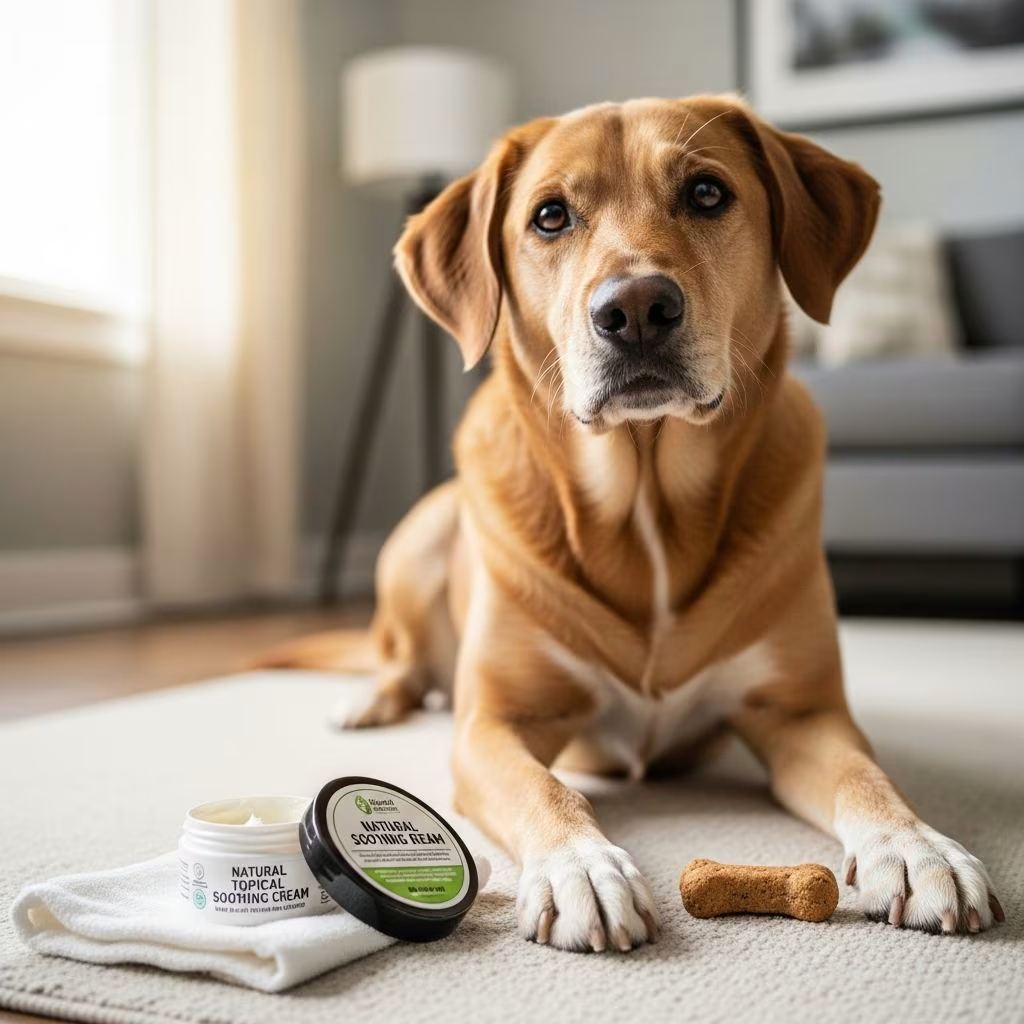
Dog scooting, where your pet drags its rear across the floor or carpet, signals discomfort in the anal area. This behavior often stems from impacted anal glands, parasites, allergies, or skin irritations, affecting up to 15% of dogs seen at vets. While home remedies can provide temporary relief, persistent scooting requires veterinary evaluation to rule out serious issues like infections or abscesses.
Understanding Why Dogs Drag Their Rear
Dogs scoot to relieve irritation or pressure around their anus. The most common culprit is **full anal glands**, small sacs on either side of the anus that naturally empty during bowel movements. When they don’t, fluid builds up, causing swelling, pain, and a fishy odor. Other triggers include intestinal worms that irritate the rear as they exit, allergies leading to itchy skin, diarrhea leaving fecal residue, or even stuck debris like grass seeds.
Recognizing patterns helps: frequent licking of the rear, redness, swelling, or blood near the anus alongside scooting points to glands or infections. Soft stools prevent natural gland expression, while constipation strains the area. Small breeds, overweight dogs, or those with allergies face higher risks due to narrow ducts or inflammation.
Key Causes of Rear Dragging in Canines
- Anal Gland Problems: Blocked or full sacs cause the majority of cases, leading to discomfort and scooting.
- Parasites: Tapeworms or roundworms irritate the anus, visible as rice-like segments in stool.
- Allergies: Food, flea, or environmental triggers inflame hindquarter skin.
- Skin Issues: Bacterial/fungal infections or fecal contamination from diarrhea.
- Other Factors: Tumors, matted fur, or constipation straining the rectum.
Safe Home Strategies for Quick Relief
Before rushing to the vet, try these gentle interventions if your dog shows no severe pain, wounds, or lethargy. Always monitor for 24 hours; improvement signals success, but worsening demands professional care.
Warm Compresses for Gland Relief
Apply a warm, damp cloth to the anal area for 5-10 minutes, 2-3 times daily. Heat softens secretions, encouraging natural drainage without manual expression, which risks injury at home. Combine with short walks to stimulate bowels.
Cleaning the Affected Area
Gently wash the rear with warm water and mild, pet-safe soap. For long-haired breeds, trim fur around the anus to prevent contamination. Dry thoroughly to avoid moisture buildup. If redness appears without open sores, a thin layer of diaper rash cream like Sudocrem can soothe.
Diet Tweaks for Stool Quality
Switch to wet food temporarily and boost water intake if hard stools block glands. Add pumpkin puree (plain, canned) for fiber to ease constipation or diarrhea, promoting firm poops that express glands naturally. Avoid human foods; consult a vet for allergy trials.
| Cause | Remedy | Frequency | Duration |
|---|---|---|---|
| Full Glands | Warm compress | 2-3x/day | 5-10 min |
| Redness/Irritation | Gentle wash + cream | 1-2x/day | 24 hours |
| Debris/Stuck Matter | Soften with water, trim | As needed | Immediate |
| Soft Stools | Increase water/wet food | 1 day | Monitor stool |
| Suspected Worms | Dewormer (if due) | Per product | Follow up fecal |
Parasite Management at Home
Visible worms or segments? Administer a routine dewormer if your dog’s schedule aligns. Monthly heartworm preventives often cover roundworms and hookworms. Distract with play to reduce scooting while treatment works, but test stool via vet for confirmation.
When Home Fixes Aren’t Enough
If scooting persists beyond 24 hours, or you spot swelling, pus, yelping, or odor, seek vet care immediately. Professionals express glands safely, flush blockages under sedation if needed, and test for parasites or infections. Chronic cases may require antibiotics, diet changes, or surgery like anal sacculectomy.
Red flags include abscesses (painful lumps), tumors (growths), or signs like vomiting/lethargy signaling systemic issues. Early intervention prevents ruptures or chronic pain.
Preventing Future Scooting Episodes
Proactive steps reduce recurrence:
- High-fiber diet for firm stools.
- Regular exercise for muscle tone.
- Flea control and hypoallergenic food trials.
- Routine vet checkups with gland expression for prone breeds.
- Weight management for obese dogs.
Frequently Asked Questions
Is scooting always anal glands?
No, though common; parasites, allergies, or debris cause 20-30% of cases. Vet exam diagnoses accurately.
Can I express glands myself?
Not recommended; improper technique causes injury. Leave to pros.
How long before vet visit?
24 hours if mild; immediately if pain, swelling, or blood.
Do puppies scoot?
Yes, often from worms or diarrhea; deworm routinely.
Is surgery common?
Rare, for chronic impactions unresponsive to other treatments.
Long-Term Care for Anal Health
Maintain hygiene with post-walk wipes for long-coated dogs. Annual fecal exams catch parasites early. For allergy-prone pups, elimination diets under vet guidance identify triggers. Probiotics support gut health, firming stools indirectly.
Table breeds at risk:
| Breed Type | Risk Factors |
|---|---|
| Small/Toy | Narrow ducts |
| Overweight | Poor muscle tone |
| Long-Haired | Fecal trapping |
References
- Why Does My Dog Scoot? — Compassion Animal Hospital. 2023. https://compassionanimalhospital.com/why-does-my-dog-scoot/
- Scooting in Dogs — Joii Pet Care. 2024. https://www.joiipetcare.com/blogs/health-symptoms/scooting-in-dogs
- Dog Scooting (Dragging) Butt on Floor: 7+ Reasons & Remedies — Sploot Vets. 2024. https://www.splootvets.com/post/dog-scooting-butt
- Home Remedies for Dog Scooting — Spot & Tango. 2023. https://www.spotandtango.com/blog/home-remedies-for-dog-scooting
- Why Dogs Scoot Their Butt Across the Floor — Harlingen Veterinary Clinic. 2023. https://harlingenveterinaryclinic.com/blog/why-dogs-scoot-their-butt-across-the-floor/



