

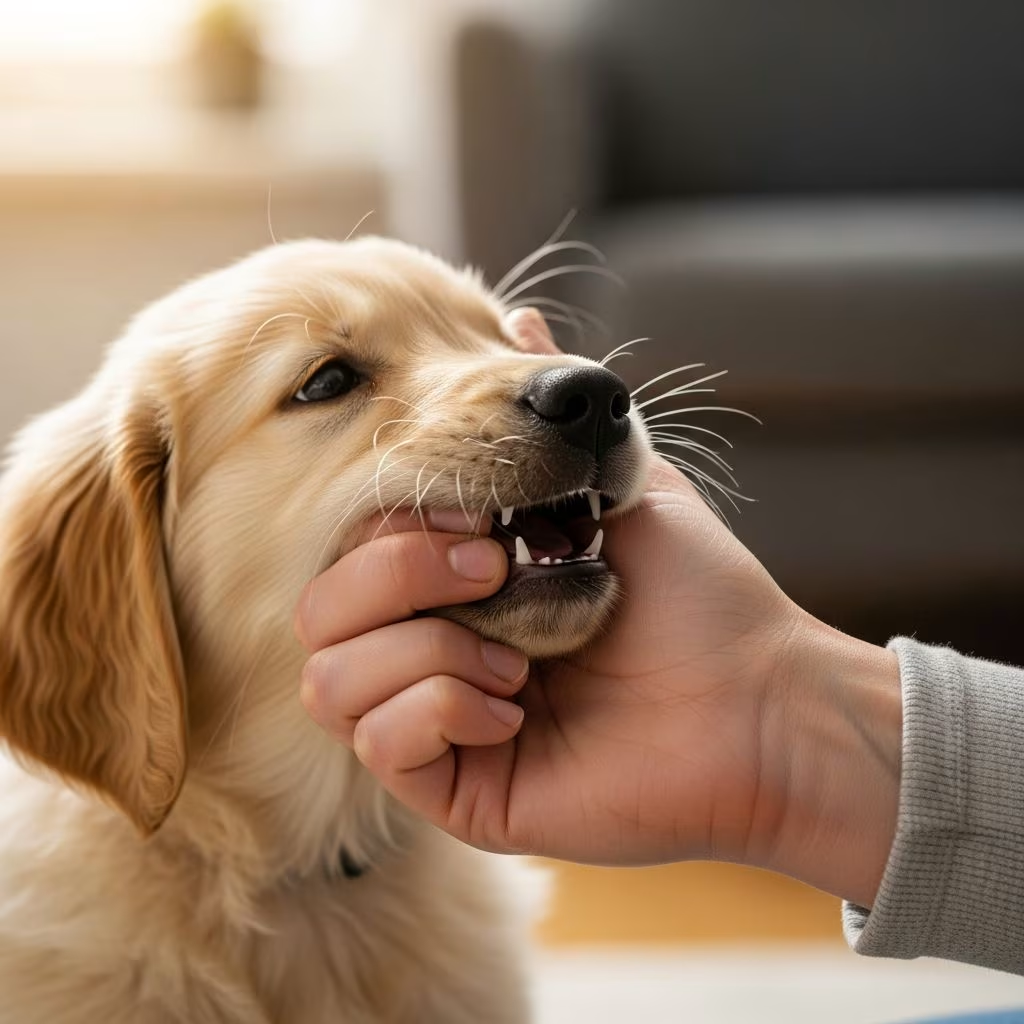
Dog nipping, often starting as playful puppy behavior, can evolve into concerning habits if not addressed. Understanding the triggers behind this action allows owners to implement targeted interventions that foster calmer interactions.
Understanding the Roots of Nipping Behavior
Nipping occurs when dogs use their mouths to explore, communicate, or react to stimuli. Puppies naturally mouth during teething or play, mimicking littermate interactions where gentle bites teach boundaries. In adults, it signals unmet needs or stress responses.
Common triggers include overstimulation from roughhousing, where excited dogs lose control and grab limbs impulsively. Fear or anxiety in unfamiliar settings prompts defensive snaps, especially in undersocialized pets. Pain from untreated conditions like infections heightens sensitivity, turning touch into a threat. Resource guarding over toys or food escalates to possessive nips.
Decoding Canine Body Language Signals
Recognizing pre-nip cues prevents escalation. Stiff posture, lip curling, pinned ears, or low growls indicate discomfort. Dilated pupils and whale-eye (whites showing) signal rising tension.
- Tense muscles and forward-leaning stance: Preparation for action, often defensive.
- Yawning or lip-licking: Stress displacement behaviors, not tiredness.
- Tail stiffness: High or tucked tails show arousal or fear, regardless of wagging.
Teaching family members, particularly children, to respect these signs reduces incidents. Victims often provoke bites unintentionally by invading space during vulnerable moments like eating.
Age-Specific Nipping Patterns
| Age Group | Typical Causes | Key Interventions |
|---|---|---|
| Puppies (under 6 months) | Teething, exploration, play learning | Redirect to toys, yelp technique |
| Adolescents (6-18 months) | Testing limits, energy bursts | Structured training, exercise |
| Adults | Fear, guarding, health issues | Professional assessment, desensitization |
Puppies nip most frequently due to teething discomfort and innate play drives. Adolescents challenge authority amid hormonal changes. Adults nip from learned habits or underlying issues.
Proven Training Techniques for Puppies
Start with bite inhibition by yelping sharply when nipped, mimicking puppy litters. Pause play for 30 seconds to link mouthing with fun’s end. Offer chew toys immediately after, praising calm chewing.
Impulse control exercises build patience:
- Teach “sit” and “leave it” with treats, gradually increasing duration.
- For foot-chasing, freeze motion and redirect to a tug toy.
- Use taste deterrents on hands/clothing for two weeks to associate mouthing with unpleasantness.
Consistency across household members reinforces lessons swiftly.
Addressing Nipping in Adult Dogs
Adults require firm redirection without punishment, which breeds fear. Ignore nips during play, withdrawing attention briefly. Redirect to appropriate toys, resuming only when calm.
For persistent cases, rule out medical causes via veterinary exams. Neutering curbs hormone-driven aggression. Daily exercise and puzzle toys prevent boredom-fueled outbursts.
Building a Strong Foundation Through Socialization
Expose puppies to diverse stimuli between 3-14 weeks: people, sounds, surfaces in controlled settings. Gradual adult socialization reduces anxiety in novel environments.
Positive reinforcement—treats for calm greetings—strengthens confidence. Avoid overwhelming group settings initially.
Exercise and Mental Enrichment Essentials
A fatigued dog is less nippy. Combine 30-60 minutes daily walks with brain games like scent work or obedience drills. Rotate toys to sustain interest, channeling energy productively.
Human Responsibilities in Prevention
Owners contribute to risks via neglect: chaining dogs isolates them, fostering fear. Children harass by poking or stealing items, provoking 42% of bites. Never leave kids unsupervised with dogs.
- Supervise all interactions.
- Ask permission before petting strangers’ dogs.
- Avoid disturbing resting or eating pets.
Professional Help: When to Seek It
If nipping persists post-basic training, consult certified trainers using force-free methods. Behaviorists assess for anxiety disorders. Muzzles aid safe management during rehab.
FAQs
Why does my puppy nip constantly?
Puppies explore with mouths and teethe; redirect to toys and use yelp method for inhibition.
Is nipping always playful?
No, stiff body or growls indicate warnings; respect space.
Can any dog nip aggressively?
Yes, behavior stems from experiences, not breed; socialization prevents most cases.
How long until training works?
2-4 weeks with consistency; adults may need months.
Should I punish nipping?
No, it increases fear; use positive redirection.
Long-Term Safety Strategies
Integrate training into routines: daily sessions, health checks, secure containment. Educate communities on responsible ownership to minimize roaming dogs.
References
- Dog Bite Prevention — Mission Veterinary Hospital. Accessed 2026. https://vetclinicmission.com/dog-bite-prevention/
- Dog Bites 101: Why They Happen and How to Prevent Them — Cloquet Veterinary Hospital. Accessed 2026. https://cloquetvet.com/dog-bites-101-why-they-happen-and-how-to-prevent-them/
- Mouthing, Nipping and Play Biting in Adult Dogs — ASPCA. Accessed 2026. https://www.aspca.org/pet-care/dog-care/common-dog-behavior-issues/mouthing-nipping-and-play-biting-adult-dogs
- Why Do Dogs Bite? Causes, Prevention & Training Tips — Taste of the Wild. Accessed 2026. https://www.tasteofthewildpetfood.com/articles/training-and-behavior/why-do-dogs-bite/
- Preventing Dog Bites: It Is Not Only about the Dog — PMC (Peer-reviewed). 2020-05-20. https://pmc.ncbi.nlm.nih.gov/articles/PMC7222712/
- What Should I Know About Preventing Dog Bites? — Bark Busters. Accessed 2026. https://www.barkbusters.com/news/prevent-dog-bites
- Dog Bite Prevention: Managing Behavior Issues — Best Friends Animal Society. Accessed 2026. https://bestfriends.org/pet-care-resources/dog-bite-prevention-managing-behavior-issues



