
Stop Dog Nail Bleeding Fast
Quick, safe methods to halt bleeding from clipped or injured dog nails, plus prevention tips for worry-free trims.
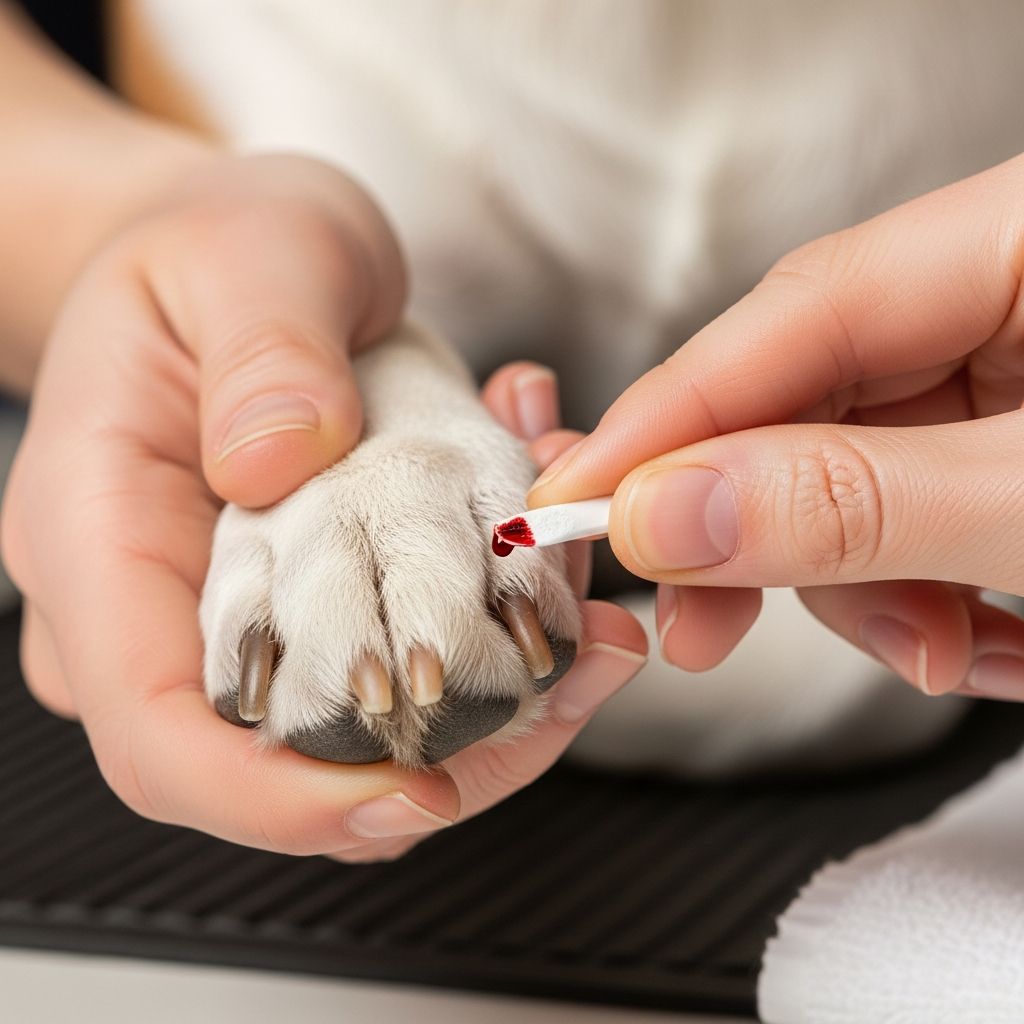
Accidentally cutting a dog’s nail too short happens to even experienced owners. The quick, a blood vessel-rich area inside the nail, gets exposed, causing bleeding that can be alarming but is usually easy to manage at home. Staying calm is key, as your dog feeds off your energy. This guide covers immediate action steps, alternative remedies, aftercare, and long-term prevention strategies to keep your pet comfortable and safe.
Understanding the Dog Nail Anatomy
Dogs’ nails consist of a hard outer shell protecting the quick, which supplies blood and nerves. In light-colored nails, the quick is visible as a pink area; in dark nails, it’s hidden, increasing the risk of over-trimming. Regular trims shorten the quick over time, making future grooming safer. Bleeding occurs when the quick is nicked, leading to pain and potential infection if not addressed promptly.
Immediate Steps to Control Bleeding
Act quickly but gently to minimize stress. Follow these prioritized actions:
- Restrain safely: Have a helper hold your dog if needed, or use a towel wrap for smaller breeds to prevent licking or pulling away.
- Apply pressure: Use a clean cloth, gauze, paper towel, or even your shirt hem. Press firmly on the nail tip for 1-2 minutes without squeezing the toe. This stems initial flow.
- Assess severity: Minor oozing stops fast; heavy bleeding requires clotting agents.
Direct pressure alone often suffices for light cases, buying time to grab supplies.
Best Products for Stopping the Bleed
Styptic powder, like Kwik-Stop, is the gold standard. It contains a numbing agent and cauterizes via chemical reaction with blood moisture, forming a seal. Pharmacies and pet stores stock it affordably.
How to Apply Styptic Powder Effectively
- Pour a small amount onto a paper plate for easy cleanup.
- Pinch powder between fingers or use a Q-tip.
- Press into the nail end while applying pressure for 1-2 minutes.
- Avoid wiping blood first; it activates the powder.
- Repeat if needed for persistent flow.
Expect a brief sting, so hold firmly. For heavy bleeders, pack multiple layers.
| Product | Pros | Cons | Best For |
|---|---|---|---|
| Styptic Powder | Fast-acting, numbs pain | May sting initially | All bleed severity |
| Styptic Pencil | Portable, precise | Less coverage | Minor cuts |
| Styptic Gel | No mess, easy apply | Slower seal | Wiggly dogs |
Household Alternatives When Supplies Run Out
No styptic? Common pantry items work as substitutes by absorbing moisture and promoting clots. Use the pressure method with these:
- Cornstarch or flour: Pack generously; highly absorbent for moderate bleeds.
- Baking soda/powder: Mix with cornstarch for better clotting.
- Bar soap: Rub nail tip into unscented soap bar; creates a plug.
- Wet tea bag: Tannins aid coagulation for light cases.
- Human styptic pencil: Moisten and apply if available.
These are temporary; stock proper products for reliability. Avoid petroleum jelly, as it seals without clotting.
Aftercare to Prevent Infection and Re-Injury
Once bleeding halts:
- Clean with lukewarm saline or water.
- Apply antibiotic ointment if nail bed exposed.
- Bandage loosely with gauze and vet wrap; change daily.
- Prevent licking with cone or sock; enforce 30-minute rest.
- Monitor for swelling, pus, or limping.
Nail beds connect to bone, so infections spread fast. Vet-prescribed antibiotics may be needed for deep cuts.
When to Seek Professional Veterinary Help
Home care handles most incidents, but rush to a vet if:
- Bleeding persists >10 minutes despite efforts.
- Nail partially torn or dangling.
- Signs of pain/infection: heat, swelling, refusal to bear weight.
- Multiple nails affected or systemic issues like clotting disorders.
Professionals use silver nitrate or advanced cauterization for stubborn cases and check for underlying problems.
Prevention: Safer Nail Trimming Techniques
Avoid repeats with proactive habits:
- Trim frequently: Every 2-4 weeks shortens the quick gradually.
- Use right tools: Guillotine clippers for precision; grinders for safety.
- Light nails first: See the quick; trim 2mm at a time.
- Desensitize: Touch paws daily, reward trims.
- Grind over clip: Dremel tools file slowly, reducing overcut risk.
For black nails, trim small amounts and watch for paling or dog flinching. Professional groomers help nervous owners.
Frequently Asked Questions (FAQs)
Will my dog’s nail grow back normally after bleeding?
Yes, fully if the matrix isn’t damaged. Minor quick nicks heal in weeks with proper care.
Is styptic powder safe if my dog licks it?
Small amounts are non-toxic, but prevent ingestion. Bandage and distract.
How often should I trim my dog’s nails?
When they click on floors or curl. Active dogs: monthly; sedate: biweekly.
Can puppies’ nails bleed more easily?
Yes, softer nails and prominent quicks. Trim conservatively.
What if bleeding starts during play, not trimming?
Check for splits/cracks. Clean, clot, and trim jagged edges.
Long-Term Paw Health Tips
Beyond bleeding, maintain paws:
- Moisturize dry pads.
- Inspect weekly for foreign objects.
- Provide chew toys to naturally wear nails.
- Consider boots for rough terrain.
Healthy nails support mobility; neglect leads to pain and arthritis.
References
- First Aid for Broken Nails in Dogs — VCA Animal Hospitals. 2023. https://vcahospitals.com/know-your-pet/first-aid-for-broken-nails-in-dogs
- Cut Your Dog’s Nail Too Short? How to Stop a Dog’s Nail From Bleeding — ToeGrips. 2022-10-12. https://toegrips.com/how-to-stop-a-dogs-nail-from-bleeding/
- What to Do if Your Dog Breaks or Tears a Nail — MedVet. 2024. https://www.medvet.com/what-to-dog-if-your-dog-breaks-or-tears-a-nail/
- First Aid for Broken Nails on Dogs — PetMD. 2023-05-15. https://www.petmd.com/dog/care/first-aid-broken-nails-dogs
- Dog Nail Bleeding: What To Do and How To Stop It — Chewy. 2024. https://www.chewy.com/education/dog/health-and-wellness/dog-nail-bleeding
Similar Articles








Read full bio of Sneha Tete




