

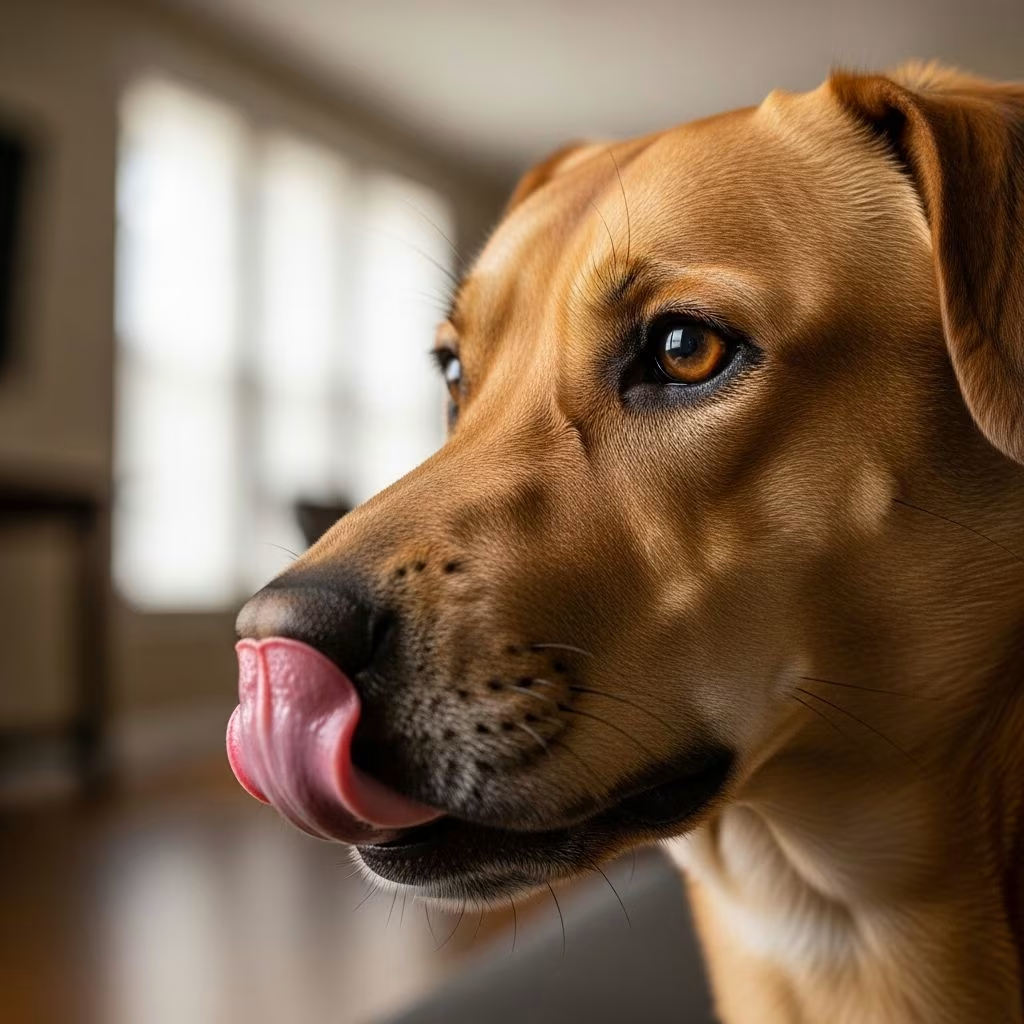
Excessive dog licking can range from mildly annoying to a sign of serious health issues. Understanding the root causes allows pet owners to implement targeted strategies that restore balance and comfort for their canine companions.
Decoding the Reasons Behind Persistent Licking
Dogs lick for various natural reasons, but when it becomes obsessive, it signals underlying problems. Common triggers include affection-seeking, sensory exploration, stress relief, or medical discomfort. Identifying the specific motivation is the first step toward resolution.
- Affection and Bonding: Licking mimics puppy behaviors toward mothers, releasing endorphins for comfort in adult dogs.
- Exploratory Instincts: Puppies use tongues to learn about their environment, a habit that can persist.
- Emotional Coping: Boredom or anxiety prompts self-soothing through repetitive licking.
- Health Signals: Itchiness from allergies, infections, or pain drives focused licking on affected areas.
Prioritizing Health Evaluations
Before behavioral interventions, rule out medical causes. Persistent licking, especially on paws, belly, or joints, often indicates allergies, infections, parasites, or pain. A veterinary exam is essential, involving skin scrapes, cytologies, or blood tests to pinpoint issues like yeast overgrowth or flea dermatitis.
Joint problems such as arthritis or hip dysplasia can cause compensatory licking, while gastrointestinal upset or dental pain may lead to air-licking or floor-licking behaviors. Early diagnosis prevents complications like lick granulomas—thickened, inflamed skin from chronic trauma.
Tackling Allergies: A Leading Culprit
Allergies top the list of medical triggers, manifesting as itchy skin from pollen, food proteins, fleas, or household irritants. Environmental allergens stick to fur during walks, prompting paw licking, while food sensitivities cause widespread discomfort.
| Allergy Type | Symptoms | Management Steps |
|---|---|---|
| Environmental (Pollen, Mold) | Paw chewing, red skin | Wipe paws post-walks, medicated shampoos |
| Food-Related | Ear infections, belly licking | Hypoallergenic elimination diet |
| Contact (Fleas, Cleaners) | Hot spots, intense itching | Flea preventives, hypoallergenic bedding |
Veterinarians often prescribe antihistamines, steroids, or immunotherapy for chronic cases. Combining diet trials—using novel proteins for 8-12 weeks—with topical therapies yields best results.
Addressing Infections and Parasites
Bacterial, fungal, or parasitic invasions exacerbate itching. Fleas, ticks, mites, or yeast (Malassezia) thrive on compromised skin, creating a vicious cycle of lick-infection-lick. Ticks transmit Lyme disease, adding systemic pain.
Treatment requires vet-prescribed antibiotics, antifungals, or medicated topicals. Preventive measures like monthly flea/tick products are non-negotiable, especially in high-risk areas. Regular grooming removes debris, reducing infection odds.
Behavioral Roots and Modification Techniques
Once health issues are cleared, behavioral licking emerges from stress, boredom, or habit. Separation anxiety, routine changes, or under-stimulation lead to compulsive actions like lick granulomas on wrists or paws.
- Environmental Enrichment: Puzzle toys, long walks, and scent games redirect energy.
- Positive Reinforcement: Reward non-licking with treats; ignore or redirect during episodes.
- Desensitization: Gradually expose to anxiety triggers paired with calm rewards.
Avoid punishment, as it heightens stress. For severe cases, vets may suggest anxiety aids like pheromone diffusers or supplements.
Practical Daily Strategies for Owners
Implement these routines to minimize licking episodes:
- Boost Exercise: Daily 30-60 minute walks plus play reduce pent-up energy fueling compulsions.
- Provide Alternatives: Chew toys or frozen Kongs satisfy oral fixation safely.
- Maintain Cleanliness: Weekly baths with soothing shampoos remove allergens.
- Monitor Diet: Transition to limited-ingredient foods under vet guidance.
- Use Barriers: Cones or booties protect hot spots during healing.
Track licking patterns in a journal—time, location, duration—to share with your vet for tailored advice.
When to Seek Professional Help
Consult a vet immediately if licking causes hair loss, wounds, odor, or behavioral changes like lethargy. Behavioral specialists or trainers help with entrenched habits. In rare cases, medications like anti-anxiety drugs support therapy.
FAQs
Why does my dog lick me excessively?
It could be affection, but excess suggests attention-seeking or anxiety. Ignore to discourage; reward calm behavior.
Is paw licking always allergies?
No, but common. Rule out injuries, infections, or boredom first via vet exam.
Can diet stop my dog’s licking?
Yes, for food allergies. Elimination trials confirm and resolve many cases.
How long until licking improves?
Medical fixes: days to weeks; behavioral: 2-4 weeks with consistency.
What if licking creates wounds?
Prevent access with e-collars; treat infections promptly to break the cycle.
Consistent application of these methods transforms excessive licking from frustration to manageable behavior, enhancing your dog’s quality of life.
References
- How to Stop Your Dog from Excessive Licking: Tips and Tricks — Pooler Vet. 2023. https://poolervet.com/how-to-stop-your-dog-from-excessive-licking/
- 12 Reasons Dogs Lick Excessively and When to be Concerned — Pets Best. 2023. https://www.petsbest.com/blog/12-reasons-dogs-lick-excessively
- Why Is My Dog Licking His Paws So Much? Causes and Remedies — Best Friends Animal Society. 2024. https://bestfriends.org/pet-care-resources/why-my-dog-licking-his-paws-so-much-causes-and-remedies
- Why Your Dog Is Licking And What To Do About It — Oak Brook Animal Hospital. 2023. https://oakbrookanimalhospital.com/why-your-dog-is-licking-and-what-to-do-about-it/
- Dogs and Compulsive Scratching, Licking, and Chewing — WebMD. 2024-01-15. https://www.webmd.com/pets/dogs/dogs-and-compulsive-scratching-licking-and-chewing
- The Science Behind the Slurp: Why Dogs Engage in Excessive Licking — Rea Road Animal Hospital. 2023. https://www.rearoadanimalhospital.com/the-science-behind-the-slurp-why-dogs-engage-in-excessive-licking/
- Reasons Dogs Excessive Licking — Riverbend Pet. 2024. https://www.riverbendpet.com/reasons-dogs-excessive-licking/



