

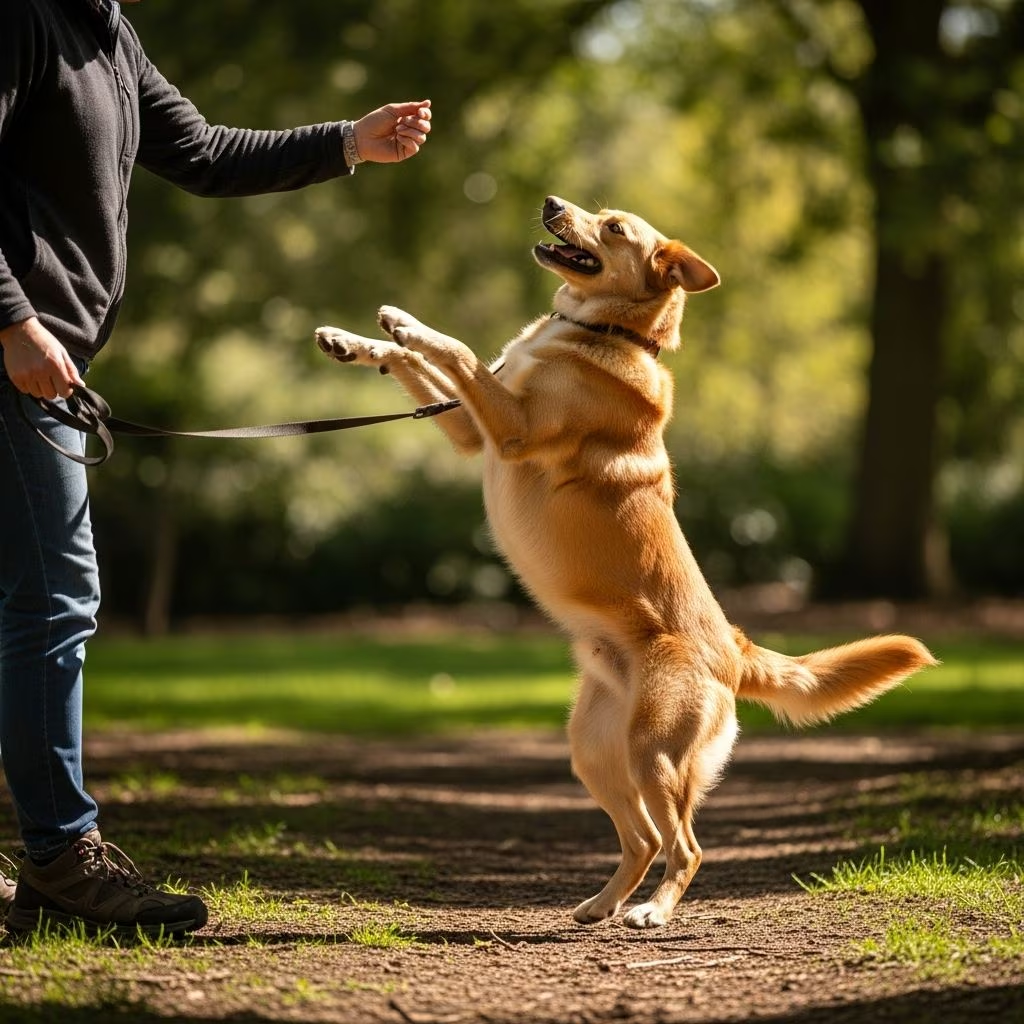
Dogs often jump up during walks as a natural way to greet people or dogs, seek attention, initiate play, or reach something high. This behavior, while enthusiastic, can be unsafe and embarrassing. Effective training focuses on rewarding calm behavior with all four paws on the floor, using consistent techniques for arrivals, around the house, visitors, and street encounters.
Understanding Why Dogs Jump
Jumping is a dog’s instinctive greeting method, signaling joy upon seeing owners, visitors, or strangers—not dominance or spite. Common triggers include:
- Greeting people or dogs: Puppies naturally paw at their mother’s face for attention; adults retain this habit.
- Attention-seeking: Jumping gets reactions, reinforcing the behavior.
- Play initiation: Excited dogs leap to start fun.
- Exploration: Reaching food or objects overhead.
Humans unintentionally encourage jumping by petting or scolding, as any attention rewards it. Instead, ignore jumps and praise grounded paws to teach alternatives.
Teaching Your Dog Not to Jump When You Arrive Home
Prevent jumping at the door with these steps:
- Crack the door: If jumping occurs, close it immediately.
- Repeat entry: Only proceed when calm.
- Turn away: If jumped on inside, turn your back; exit and retry if persistent.
- Reward calm: Praise and pet profusely for four paws down.
Proactive prevention: Use a baby gate to confine your dog until sitting calmly before greeting. Consistency from all household members is key.
Managing Jumping Around the House
Address indoor jumping for attention or play:
- Turn your back: Withhold attention during jumps.
- Praise when stopping: Turn around and reward calm behavior.
- Escalate if needed: Walk away or isolate briefly (1-2 minutes) if jumping continues.
Repeat until your dog learns jumping yields no response. This builds impulse control essential for walks.
Handling Visitors and Guests
Leash management prevents guest-jumping:
- Leash on: Let it drag; pick up if jumping starts.
- Remove and timeout: Walk dog away, then isolate 1-2 minutes.
- Retry with rules: Instruct guests to pet only sitting dogs.
Family and friends must follow suit for success. Cheerful commands like “too bad” maintain positivity.
Preventing Jumping on People During Walks
Street encounters require proactive tools and timing:
- Use head halter: Provides control without force.
- Monitor approach: Turn briskly away if jumping intent shows; say “too bad” cheerfully.
- Retry when calm: Reward with praise for composure.
Head halters guide gently, ideal for reactive dogs. Practice in low-distraction areas first.
Common Mistakes to Avoid
Steer clear of counterproductive methods:
- No pushing or scolding: Physical contact rewards jumping.
- Avoid kneeing, toe-stepping, or pinching: Risks injury; confuses dogs.
- Be consistent: Mixed signals teach intermittent jumping is okay.
Focus on positive reinforcement: Reward desired behavior lavishly.
Benefits of Proper Leash Walking and Training
Mastering no-jump walks enhances health and bonding. Regular walks (30-60 minutes daily, adjusted by age/health) provide exercise, mental stimulation, and trouble prevention.
- Physical fitness: Maintains weight, strengthens muscles/joints.
- Mental health: Reduces anxiety, boosts endorphins.
- Bonding: Strengthens owner-pet ties.
Calm pre-walk rituals—leash hold until paws down—set positive tones.
Dog Walking Tips to Complement Training
Enhance walks for jump-free success:
- Reward calm: Praise non-pulling; use treats/talk.
- Route selection: Low-distraction paths avoid triggers.
- Leash safety: Always use collar/ID/microchip.
- Heat vigilance: Watch for panting, drooling.
| Challenge | Solution |
|---|---|
| Pulling | Stop/reward calm; change pace. |
| Reactivity | Gradual desensitization with treats. |
| Chewing leash | Trade for toy; consistent training. |
Tailored Walking Tips by Age
Puppies
Short, frequent walks build stamina/socialization. Introduce stimuli gradually.
Adult Dogs
Longer walks with training/agility for fitness and sharpness.
Senior Dogs
Gentle, short paces; monitor weather/health.
Frequently Asked Questions (FAQs)
Why does my dog jump more on walks?
Dogs jump on walks due to excitement from greetings or distractions. Train with head halters and turn-aways for control.
How long until my dog stops jumping?
Consistency yields results in days to weeks. Reward heavily; involve all handlers.
Is a head halter safe for walks?
Yes, when fitted properly; guides without pain, ideal for jumpers.
Can puppies learn no-jumping?
Absolutely—start early with short walks and rewards for calm greetings.
What if my senior dog jumps?
Use gentle methods; shorter walks reduce overexcitement. Vet check for pain triggers.
Advanced Tips for Lasting Results
Integrate training into daily routines. Use baby gates for prevention, combine with obedience classes. For persistent cases, consult certified trainers or vets to rule out medical issues. Mental exercises like puzzle toys complement physical training, releasing endorphins for calmer dogs.
Track progress: Log successful calm greetings. Gradually increase distractions. Positive reinforcement builds confident, polite dogs who enjoy walks without jumping.
References
- Jumping – San Francisco SPCA — SF SPCA. 2023. https://www.sfspca.org/resource/jumping/
- Dog Walking Tips — ASPCA Pet Health Insurance. 2024. https://www.aspcapetinsurance.com/resources/dog-walking-tips/
- Jumping on People – Pet Care Tips — SPCA. N/A. https://spca.org/file/Jumping-on-People.pdf
- 9 Tips to Get the Most Out of Walks with Your Dog — ASPCA. 2023. https://www.aspca.org/news/9-tips-get-most-out-walks-your-dog
- Dog: Jumping — SF SPCA. 2023-02. https://www.sfspca.org/wp-content/uploads/2023/02/dog_behavior_jumping.pdf
- The Benefits of Walking Your Pet — ASPCA. 2023. https://www.aspca.org/news/benefits-walking-your-pet
- Mind and Body — How to Help Your Pet Stay Fit — Virginia Beach SPCA. 2023. https://vbspca.com/petfitness/



