

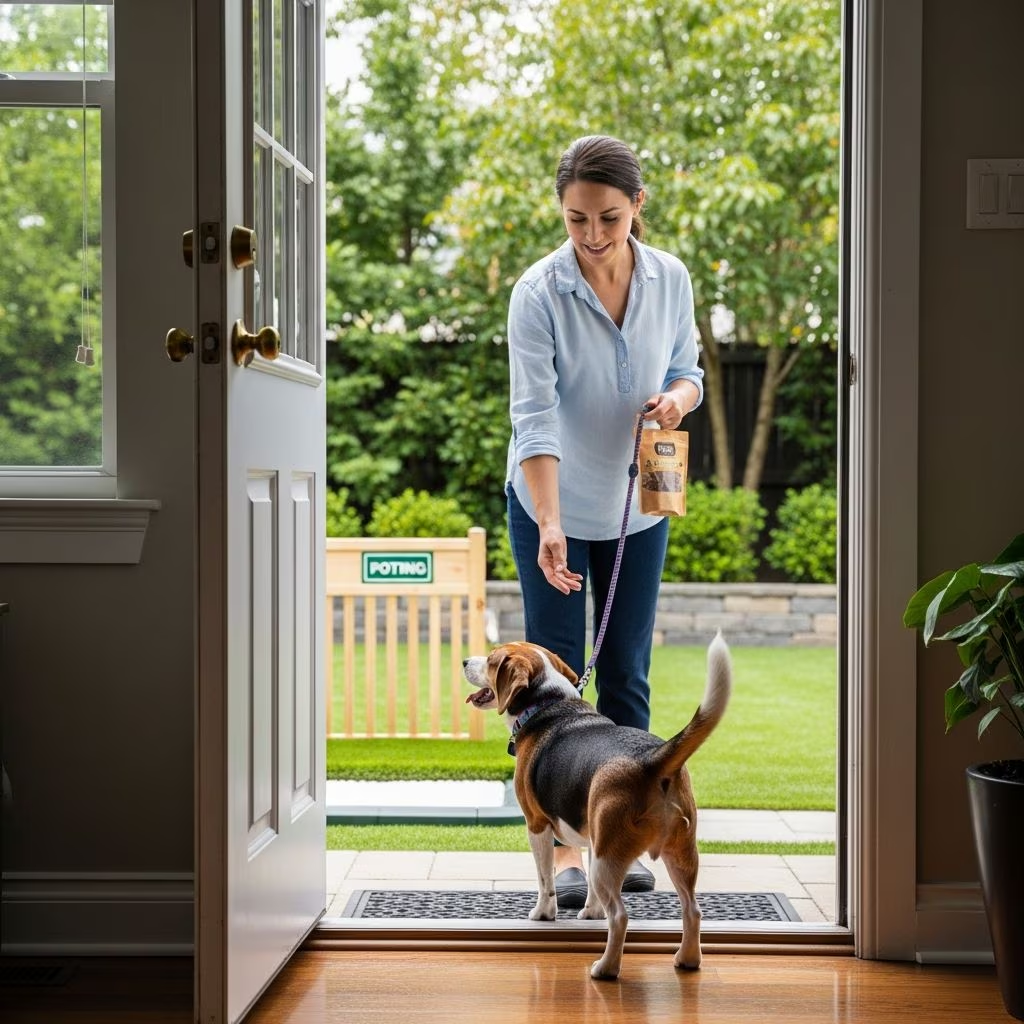
Indoor urination in dogs disrupts harmony at home, but pinpointing causes allows effective resolution. Common triggers span health conditions, behavioral patterns, and environmental shifts, with tailored strategies restoring proper habits.
Understanding Why Dogs Urinate Inside
Dogs previously house-trained may suddenly eliminate indoors due to overlooked factors. Medical evaluations often reveal underlying issues first, as untreated conditions exacerbate accidents. Behavioral assessments follow, examining stress or routine disruptions. Environmental changes, like new household members, also prompt regressions.
Statistics from veterinary sources indicate up to 20% of adult dogs experience occasional indoor incidents, emphasizing the need for proactive diagnosis. Early intervention prevents chronic issues, ensuring pet comfort and owner peace.
Medical Reasons Behind Indoor Accidents
Health problems frequently cause involuntary urination, demanding veterinary attention before behavioral training. Infections and diseases alter bladder control, leading to frequent, urgent needs unmet by standard schedules.
- Urinary Tract Infections (UTIs): Bacteria inflame the bladder, causing sudden urges. Females are prone due to anatomy; symptoms include straining and bloody urine.
- Diabetes and Endocrine Disorders: Elevated blood sugar increases urine production, overwhelming capacity. Accompanying signs like thirst and weight loss signal urgency.
- Kidney Disease: Impaired filtration leads to dilute urine and incontinence. Older dogs show lethargy alongside accidents.
- Arthritis in Seniors: Joint pain hinders outdoor access, resulting in indoor relief. Mobility aids help post-diagnosis.
- Cognitive Decline: Dog dementia confuses routines, mimicking puppy behaviors in elders.
Schedule a vet exam including urinalysis and bloodwork to rule out these. Medications or management plans address root causes effectively.
Behavioral Causes of House Soiling
Non-medical triggers stem from emotions, instincts, or lapses in training. Recognizing patterns via logs aids targeted fixes.
Neutering reduces marking by 50-60% in young dogs, per animal welfare data. Stress signals like panting warrant calming interventions.
Environmental and Lifestyle Factors
Daily disruptions provoke accidents indirectly. Track incidents against events for clarity.
- New babies, pets, or furniture rearrange territories, spurring marking.
- Schedule shifts from work or travel extend intervals between breaks.
- Weather extremes deter outdoor trips, fostering indoor habits.
- Insufficient supervision allows unnoticed needs in multi-room homes.
Puppies under 6 months naturally lack full control; adults regress under similar strains. Consistent routines rebuild reliability.
Step-by-Step Plan to Eliminate Indoor Peeing
A multifaceted approach combines prevention, cleaning, and reinforcement. Patience yields results in weeks.
- Rule Out Health Issues: Vet visit first; treat infections or pain promptly.
- Enhance Potty Routine: Every 2-4 hours, plus post-meals/sleep/play. Puppies need hourly checks.
- Clean Thoroughly: Enzymatic cleaners break down scents, preventing re-marking. Avoid ammonia-based products.
- Supervise and Confine: Crate during absences; tether indoors. Freedom follows success.
- Positive Reinforcement: Treat/praise outdoor success instantly. Ignore indoor slips—no punishment.
- Address Behaviors: Desensitize triggers gradually; consult trainers for marking/anxiety.
Log accidents: time, location, volume, precursors. Patterns guide adjustments.
Cleaning Strategies for Lasting Results
Residual odors invite repeats; standard cleaners fail against urine proteins.
- Use products like Nature’s Miracle for enzymatic action.
- Blot, don’t rub, to extract deeply.
- Block access to spots with furniture or repellents temporarily.
- UV lights detect hidden stains for complete treatment.
Consistency prevents 90% of reoffenses when paired with training.
Training Tools and Aids
Supplements accelerate progress without force.
- Crates: Instinctual dens discourage soiling; size for turning/sleeping.
- Belly Bands: Absorb male marking during transitions.
- Pheromone Diffusers: Calm anxiety-driven incidents.
- Potty Pads: Transitional for apartments; phase out gradually.
Professional trainers employ clicker methods for stubborn cases.
Special Considerations for Puppies vs. Adults vs. Seniors
Tailor approaches by life stage.
Seniors benefit from indoor pads if mobility limits outings.
Preventing Future Incidents
Long-term success demands vigilance.
- Maintain schedules amid changes.
- Annual vet checks catch emerging issues.
- Enrich environments to cut boredom marking.
- Family-wide consistency reinforces rules.
Monitor for medication side effects like steroid-induced thirst.
Frequently Asked Questions (FAQs)
Why does my house-trained dog suddenly pee inside?
Often medical (UTIs, diabetes) or stress-related; vet check first.
How long to retrain a dog with accidents?
2-4 weeks with consistency; longer for health/behavioral roots.
Is punishment effective?
No—increases fear/submissive peeing. Use positives only.
What if cleaning doesn’t stop repeats?
Underlying health or incomplete odor removal; re-evaluate.
Can spaying/neutering fix marking?
Yes, especially pre-maturity; reduces by half.
Advanced Tips from Experts
For persistent cases, combine vet behaviorists with protocols. Track progress weekly; adjust as needed. Most resolve fully with diligence.
References
- Dog Peeing in the House: Why and How To Stop It — PetMD. 2023. https://www.petmd.com/dog/general-health/why-my-dog-peeing-house
- My dog keeps peeing in the house: Why and what to do — ElleVet Sciences. 2023. https://www.ellevetsciences.com/cbd-for-dogs/my-dog-keeps-peeing-in-the-house-why-and-what-to-do/
- Why Is My Dog Peeing in the House and How Do I Stop It? — Elanco Your Pet and You. 2023. https://yourpetandyou.elanco.com/us/behavior/why-is-my-dog-peeing-in-the-house
- Why Is My Dog Peeing Inside? How to Stop Your Dog — Vetster (YouTube). 2023. https://www.youtube.com/watch?v=e7K_nLU7ovU
- Dog Marking and Peeing in the House: Causes and How to Stop It — Best Friends Animal Society. 2023. https://bestfriends.org/pet-care-resources/dog-marking-and-peeing-house-causes-and-how-stop-it
- Stop Your Dog from Peeing in the House — Humane Society. 2023. https://www.humaneworld.org/en/resources/how-stop-your-dog-peeing-house
- When Potty-Trained Pets Start Peeing Inside — Englishtown Vet. 2023. https://www.englishtownvet.com/blog/when-potty-trained-pets-start-peeing-inside/



