

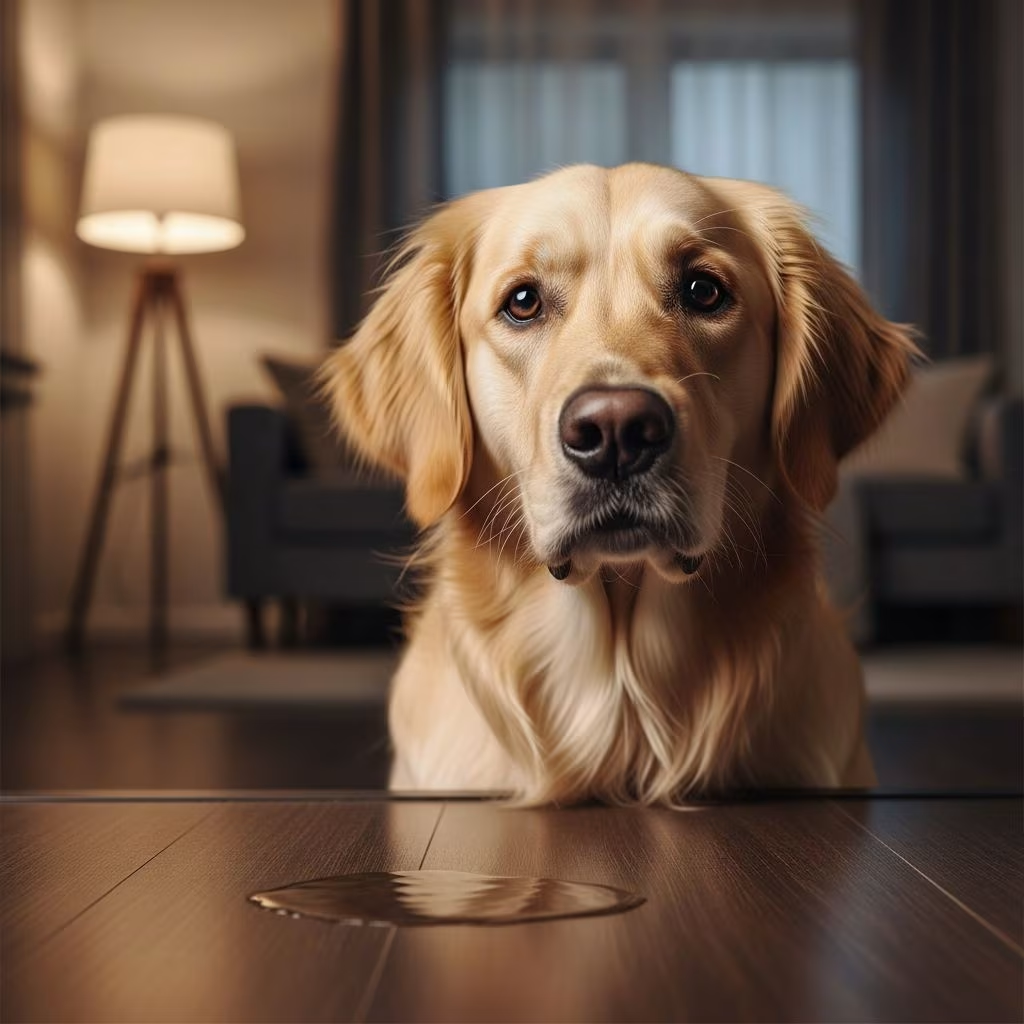
Indoor urination by dogs disrupts household harmony and signals underlying issues ranging from medical conditions to incomplete training. Effective solutions combine veterinary evaluation, consistent routines, close monitoring, and positive reinforcement to teach dogs appropriate elimination spots. This guide draws from established veterinary and training practices to help owners achieve reliable results.
Assess Health Factors First
Before implementing behavioral changes, rule out medical causes for inappropriate elimination. Conditions like urinary tract infections, diabetes, kidney disease, or incontinence often manifest as sudden or frequent indoor accidents in otherwise trained dogs. Puppies under six months have limited bladder control, typically holding urine for only as many hours as their age in months, so frequent needs are normal. Adult dogs may develop issues from age-related weakening or stress-induced marking.
- Observe patterns: Frequent small puddles suggest infections; large volumes indicate diabetes.
- Consult a veterinarian promptly for urinalysis and bloodwork to identify infections or metabolic disorders.
- Senior dogs benefit from routine checkups, as arthritis can prevent timely outdoor access.
Addressing health resolves 20-30% of cases without further training, per veterinary insights. Spaying or neutering reduces marking tendencies by up to 90% in intact dogs, though timing varies by breed and age.
Establish a Rigid Daily Routine
Consistency in timing builds predictable habits. Feed meals at fixed times and remove uneaten food after 15 minutes to control elimination urges. Puppies require outings every 1-2 hours, post-meals, naps, and play; adults need checks every 2-4 hours initially.
| Age Group | Outing Frequency | Key Triggers |
|---|---|---|
| Puppy (8-12 weeks) | Every 30-60 min | After eating, drinking, waking, playing |
| 3-6 months | Every 1-2 hours | Meals, naps, excitement |
| Adult | Every 2-4 hours | Meals, bedtime routine |
Nighttime requires a final outing before bed, with water restricted after 7 PM. Exercise stimulates bowels, so incorporate short walks or yard play before potty breaks. Track successes in a journal to spot patterns, adjusting schedules accordingly.
Implement Crate Training Fundamentals
Dogs instinctively avoid soiling sleeping areas, making crates powerful tools for prevention. Select a crate sized for standing and turning, not sprawling—too large invites accidents. Introduce gradually with treats and praise, starting sessions of 5-10 minutes.
- Feed meals inside the crate to build positive associations.
- Crate during naps and when unsupervised, never as punishment.
- Gradually extend to 4-8 hours overnight for adults; puppies max at 3-4 hours initially.
For resistant adults, tether the leash to your belt for constant oversight, crating only during absences. Combine with enrichment like stuffed Kongs to prevent boredom whining. Success rates soar with 100% compliance, as dogs learn self-control faster in confined spaces.
Master Supervision and Confinement Tactics
Unsupervised freedom equals accidents. Gate off rooms, use baby gates for easy-clean areas like kitchens, or leash-tether indoors. Watch for pre-elimination signals: sniffing, circling, whining, or restlessness. Interrupt mid-act with a neutral “ah-ah” and rush outside—no scolding, as fear delays progress.
During house-wide access, maintain line-of-sight. For multi-dog homes, pair the trainee with a reliable housemate to model behavior, but prioritize potty before play. Limit water post-evening to curb night accidents, ensuring daytime hydration.
Reward Correct Elimination Immediately
Positive reinforcement cements outdoor habits. Accompany every outing on leash to the exact spot, using a cue like “go potty” as they position. Praise lavishly and deliver high-value treats (cheese, meat) within 2 seconds of completion. Follow with play or freedom to link elimination with positives.
- Use separate cues for urine and stool if marking persists.
- Avoid rewards indoors or post-accident; timing is critical.
- Fade treats over weeks, retaining verbal praise lifelong.
This conditions faster elimination and spot preference, reducing outing duration.
Clean Accidents Thoroughly to Prevent Repeats
Dogs revisit urine-scented areas. Enzymatic cleaners break down proteins undetectable by bleach or ammonia products. Blot, apply cleaner, let sit, then rinse. Blacklights reveal hidden spots for targeted treatment. Steam cleaning rugs post-cleaning ensures no residual odors trigger relapses.
Address Marking and Submissive Urination
Males often lift legs on furniture; neutering curbs 60-90% of cases. Clean marks enzymatically and block access. Submissive pee occurs during greetings—ignore entrances calmly, building confidence via obedience training. Anxiety-driven issues respond to desensitization and pheromone diffusers.
Tailor Strategies for Puppies vs. Adults
Puppies thrive on frequent, scheduled access with crate foundations. Adults regressing need schedule resets: hourly outings, crating between. Rescue dogs may lack prior training—treat as puppies with extra patience.
| Challenge | Puppy Fix | Adult Fix |
|---|---|---|
| Frequent needs | Every hour + crate | Every 2 hours + tether |
| Accidents caught | Interrupt, outside reward | Same + journal patterns |
| Night issues | Crate post-final potty | Water cutoff + morning rush |
Common Pitfalls and Fixes
- Rushing outdoors: Dogs distract without purpose—leash and cue enforce focus.
- Punishment: Causes hiding accidents; stick to rewards.
- Inconsistent schedules: Family buy-in essential for routines.
- Potty pads: Discourage for outdoor goals; phase out early.
FAQs
How long until fully housetrained?
Puppies: 4-6 months; adults: 2-4 weeks with diligence.
What if my dog pees when excited?
Calm greetings, confidence training; vet check for UTIs.
Can older dogs be retrained?
Yes, with medical clearance and strict protocols.
Is crating cruel?
No, when properly sized and scheduled—mimics den instinct.
What cleaner for carpets?
Enzymatic only; Nature’s Miracle or Rocco & Roxie.
Long-Term Maintenance
Once reliable, extend intervals gradually. Maintain cues and praise sporadically. Annual vet visits prevent health regressions. Multi-pet homes reinforce rules universally. Patience yields accident-free living—most dogs succeed within weeks of commitment.
References
- 9 Tips To Housetrain Your Puppy Or Adult Dog — Fear Free Happy Homes. 2023. https://www.fearfreehappyhomes.com/9-tips-to-housetrain-your-puppy-or-adult-dog/
- House Training Puppies or Older Rescue Dogs — Leerburg. 2024. https://leerburg.com/housebrk.htm
- How to Potty Train a Puppy or Dog — Best Friends Animal Society. 2025. https://bestfriends.org/pet-care-resources/how-potty-train-puppy-or-dog
- Housetraining an Adult Dog — Dog Spring Training. 2024. https://www.dogspringtraining.com/tips/housetraining-adult-dog/
- How To Toilet Train Your Puppy or Dog — RSPCA. 2025. https://www.rspca.org.uk/adviceandwelfare/pets/dogs/training/toilettraining
- House Training for Puppies and Dogs — VCA Animal Hospitals. 2024. https://vcahospitals.com/know-your-pet/house-training-your-puppy



