

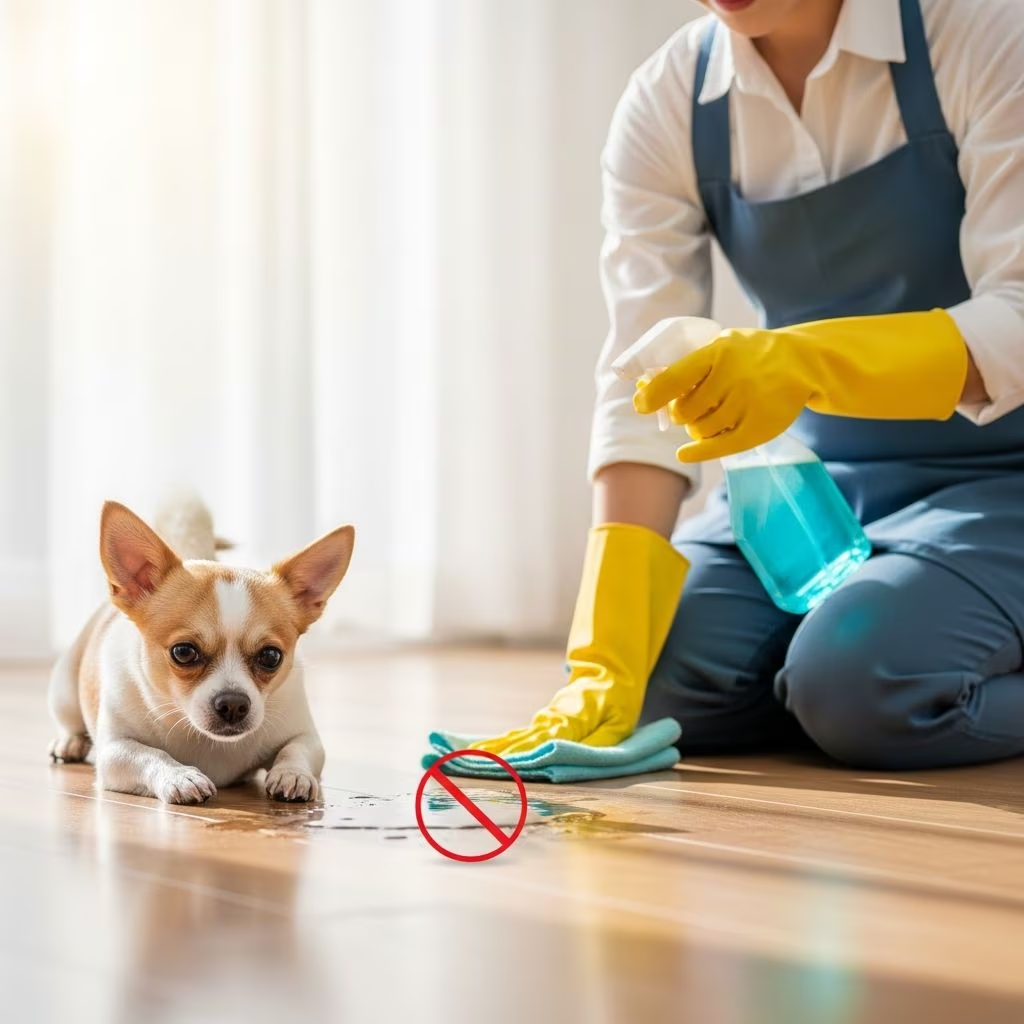
Indoor urination by dogs disrupts household harmony and signals unmet needs in training or health. Effective solutions combine consistent routines, close monitoring, and positive reinforcement to teach dogs appropriate elimination spots. This guide outlines practical steps drawn from veterinary and training expertise to resolve the issue swiftly.
Assess Underlying Causes First
Before implementing training changes, rule out medical issues causing frequent indoor peeing. Conditions like urinary tract infections, diabetes, or kidney problems can increase urination urgency in dogs of any age. A veterinarian visit provides diagnostic tests such as urinalysis to identify infections or imbalances. Adult dogs adopting into new homes may also mark territory due to stress, while puppies lack full bladder control until around 4-6 months old.
- Observe frequency: Excessive accidents suggest health concerns over behavioral slips.
- Check for straining or blood: Immediate vet attention prevents complications.
- Review diet changes: Sudden food shifts can upset digestion and elimination patterns.
Addressing root causes ensures training efforts succeed without masking symptoms.
Build a Strict Daily Routine
Consistency forms the foundation of successful house training. Dogs thrive on predictable schedules aligning meals, play, and potty breaks. Feed at set times—typically morning and evening—and remove uneaten food after 15-20 minutes to regulate output.
| Time of Day | Activity | Purpose |
|---|---|---|
| 6-7 AM | Wake, potty break, breakfast | Empty overnight bladder |
| Every 1-2 hours | Leashed outdoor trip | Prevent holding too long |
| After meals/naps/play | Immediate outdoor walk | Capitalize on natural urges |
| 8-9 PM | Last potty, water restriction | Minimize nighttime needs |
Pick up water by evening to reduce overnight risks, especially for puppies. Exercise before bed tires dogs, promoting deeper sleep and fewer accidents. Track patterns in a journal to refine timing—note successes and mishaps for adjustments.
Master Supervision Techniques
Constant oversight prevents opportunities for indoor mistakes. For new puppies or retraining adults, tether the leash to your waist or use baby gates to limit access to one room. This setup allows quick intervention if sniffing or circling begins—common pre-elimination signals.
- Watch body language: Pacing, whining, or nose-to-floor indicate urgency.
- Interrupt gently: Clap or say “outside” without scolding, then rush outdoors.
- Expand freedom gradually: Only after 24-48 accident-free days.
Supervision builds trust and reinforces that indoors equals clean zones.
Incorporate Crate Training Effectively
Dogs instinctively avoid soiling sleeping areas, making crates powerful tools. Select a size allowing comfortable standing and turning but not enough for separate bathroom corners—typically 2-4 feet long depending on breed. Introduce positively with treats and short sessions, praising calm behavior.
- Feed meals inside crate to create positive links.
- Crate during absences or nights, starting with 1-2 hours max for young pups.
- Release only after outdoor potty success.
Combine with enrichment like stuffed toys to prevent boredom-induced whining. Proper sizing and gradual use turn crates into safe dens rather than punishments.
Reward Success Immediately
Positive reinforcement accelerates learning by associating outdoor elimination with joy. Accompany dogs outside on leash to the exact spot, using a cue like “go potty” as they position. Praise lavishly and deliver high-value treats—think cheese or meat—within seconds of completion.
- Timing matters: Delay breaks association.
- Vary rewards: Mix treats, play, or walks to maintain excitement.
- Praise forever: Ongoing reinforcement solidifies habits.
Avoid play before elimination; reserve fun for after to prioritize business.
Clean Accidents Thoroughly
Residual odors lure repeat offenses. Enzymatic cleaners break down urine proteins undetectable by regular soaps. Blot excess, saturate with cleaner, and let dry fully—test hidden spots with blacklight for thoroughness.
Steer clear of ammonia products mimicking urine scent. For persistent spots, multiple applications may be needed. Proper cleanup resets the environment for success.
Handle Adult Dog Challenges
Older dogs may regress from routine disruptions like moves or guests. Revert to puppy protocols: frequent outs, crating, and rewards. Submissive or excitement urination requires calm greetings—ignore until settled, then praise outdoors.
Anxiety-driven marking needs pheromone diffusers or vet-prescribed aids alongside training. Patience yields results, often within weeks.
Puppy-Specific Strategies
Under 12 weeks, puppies eliminate every 30-60 minutes. Frequent, short trips prevent overwhelm. Night crates with a midnight break support development. Transition from pads to outdoors by gradually moving them closer to doors, fading use entirely.
Common Mistakes to Avoid
Rushing freedom leads to setbacks. Punishing past accidents confuses dogs, associating you with negativity rather than location. Inconsistent schedules undermine progress. Stick to plans religiously.
- No yelling: Focus on prevention.
- Consistent family rules: Everyone follows protocols.
- Patience: Full reliability takes 4-6 months.
Advanced Troubleshooting
If progress stalls, analyze logs for patterns—post-shower pees suggest timing gaps. Add bells on doors for dogs to signal needs. Multi-dog homes benefit from leading solid-trained pets outdoors first. Consult trainers for stubborn cases.
Frequently Asked Questions
How long does house training take?
Puppies average 4-6 months; adults 2-4 weeks with diligence.
What if my dog pees when excited?
Ignore greetings, take outside calmly, reward quiet behavior.
Can I use potty pads forever?
Temporary aid; phase out to avoid confusion.
Is crating cruel?
No, when sized right and used positively—mimics dens.
What cleaner works best?
Enzymatic formulas like Nature’s Miracle target odors fully.
Long-Term Maintenance
Once reliable, maintain schedules amid life changes. Annual vet checks catch issues early. Lifelong praise keeps habits strong, fostering a cleaner, happier home.
References
- 9 Tips To Housetrain Your Puppy Or Adult Dog — Fear Free Happy Homes. 2023. https://www.fearfreehappyhomes.com/9-tips-to-housetrain-your-puppy-or-adult-dog/
- House Training Puppies or Older Rescue Dogs — Leerburg. 2022. https://leerburg.com/housebrk.htm
- How to Potty Train a Puppy or Dog — Best Friends Animal Society. 2024. https://bestfriends.org/pet-care-resources/how-potty-train-puppy-or-dog
- Housetraining an Adult Dog — Dog Spring Training. 2023. https://www.dogspringtraining.com/tips/housetraining-adult-dog/
- How To Toilet Train Your Puppy or Dog — RSPCA. 2024. https://www.rspca.org.uk/adviceandwelfare/pets/dogs/training/toilettraining
- House Training for Puppies and Dogs — VCA Animal Hospitals. 2023. https://vcahospitals.com/know-your-pet/house-training-your-puppy
- Housetraining survival guide — Animal Humane Society. 2024. https://www.animalhumanesociety.org/resource/housetraining-survival-guide



