

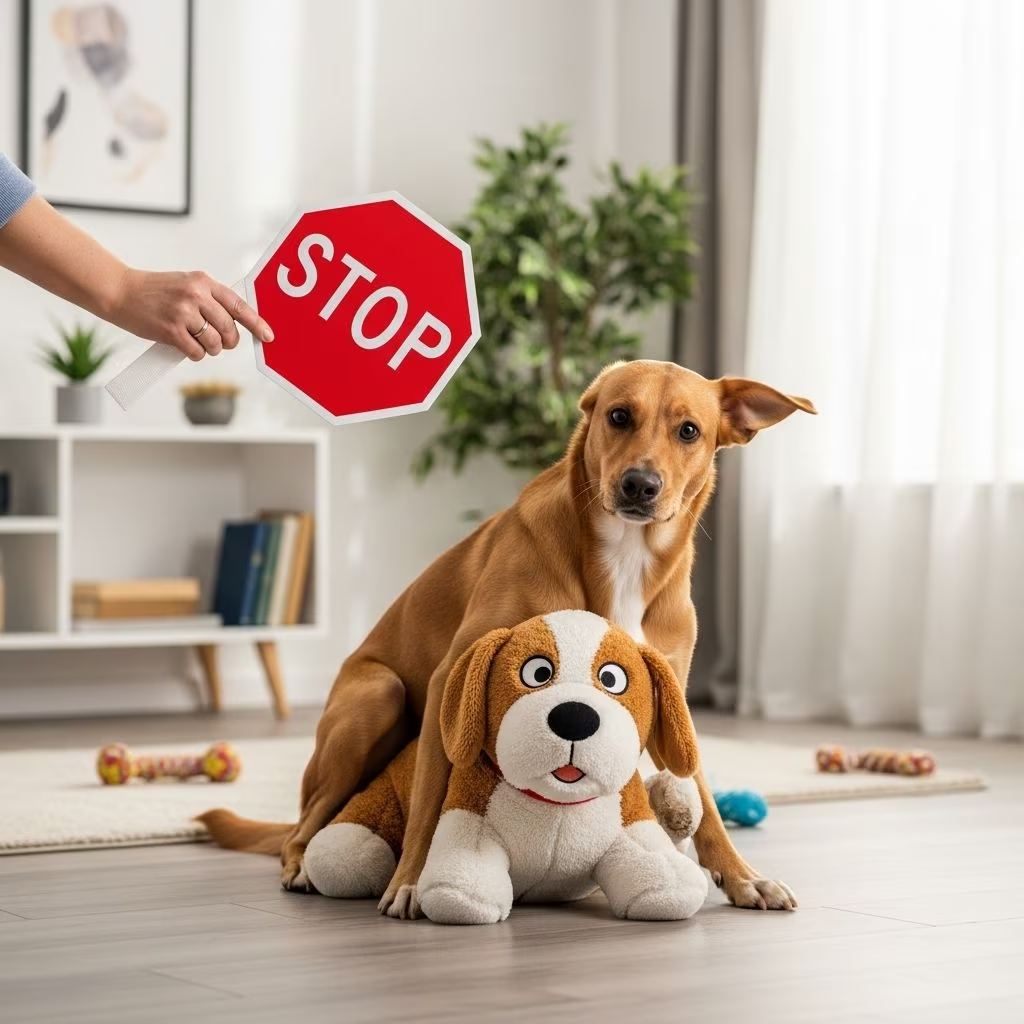
Dog humping, also known as mounting, is a common behavior that puzzles many pet owners. It can occur in both male and female dogs, across all ages, and targets legs, furniture, toys, or other pets. While often embarrassing, this action rarely stems from pure sexual intent. Instead, it frequently signals excitement, stress, playfulness, or underlying health concerns. Understanding the root causes allows owners to address it effectively without punishment, which can worsen the issue.
Unpacking the Reasons Behind Dog Humping
Dogs engage in humping for diverse motivations, making it essential to observe context and patterns. Identifying triggers helps tailor interventions that promote better behavior long-term.
- Excitement and Overstimulation: During lively play or greetings, dogs may hump to release pent-up energy when they lack other outlets. This is common in high-energy scenarios where arousal peaks.
- Stress or Anxiety Relief: Mounting serves as a self-soothing mechanism for anxious dogs facing changes like new environments or social pressures. It mimics calming rituals seen in wild packs.
- Playful Interaction: Puppies as young as 3-6 weeks exhibit humping during roughhousing with littermates or humans, viewing it as innocent fun rather than dominance.
- Hormonal Influences: Intact dogs, especially males, show increased mounting near unspayed females in heat due to testosterone surges. Neutering often reduces but doesn’t eliminate it entirely.
- Attention-Seeking: If humping draws reactions from owners, dogs learn it guarantees focus, even if negative.
- Medical Factors: Conditions like urinary infections, skin irritations, allergies, or prostate issues in males can prompt excessive humping as a response to discomfort.
Notably, the myth of humping as pure dominance display has been debunked; it’s more about emotional states than power assertion.
Assessing When Humping Warrants Concern
Occasional humping during play is harmless, but persistent or intense episodes demand attention. Watch for signs like aggression paired with mounting, injuries from vigorous thrusting, or disruption to daily life, such as ignoring commands or straining pet-owner bonds. Sudden increases alongside lethargy, appetite loss, or genital licking suggest veterinary evaluation to rule out infections or hormonal imbalances.
| Normal Humping Signs | Problematic Humping Signs |
|---|---|
| Brief, during play only | Daily, compulsive, ignores redirects |
| No associated aggression | Paired with growling or fear |
| Targets toys/objects | Focuses on people/pets excessively |
| Stops with distraction | Continues despite intervention |
Practical Steps to Curb Humping Behavior
Effective management combines prevention, redirection, and lifestyle adjustments. Consistency is key—intermittent tolerance confuses dogs and reinforces the habit.
Immediate Redirection Techniques
Act before or at the onset of humping for best results. Spot precursors like pacing, whining, or fixated staring, and intervene promptly.
- Call your dog with a “come” command and reward compliance with treats or praise.
- Toss a favorite toy to shift focus to fetch or chewing.
- Guide to a training command like “sit,” “down,” or “stay,” praising success lavishly.
Avoid physical restraint or scolding, as it heightens anxiety and may intensify the behavior.
Environmental Management Strategies
Minimize triggers by altering surroundings. Remove overstimulation sources during guests or playdates.
- Implement short, calm “time-outs” in a quiet space for 1-2 minutes post-humping, without drama.
- Use baby gates or tethers to separate during high-risk social interactions.
- Provide ample toys and chews to redirect natural urges.
Boosting Exercise and Enrichment
A fatigued, mentally satisfied dog humps less. Daily routines should include:
- 30-60 minutes of walks, ideally with scent exploration for mental workout.
- Interactive games like puzzle feeders, hide-and-seek, or obedience drills.
- Structured play sessions ending before overarousal sets in.
Training Foundations for Lasting Change
Build obedience to establish clear leadership, calming your dog. Enroll in positive reinforcement classes or the AKC Canine Good Citizen program for structured guidance.
- Core Commands: Teach “leave it,” “off,” and “place” using treats and praise.
- Consistency Rule: Enforce boundaries every time—no exceptions.
- Reward Alternatives: Heavily reinforce calm behaviors near former triggers.
Neutering and Veterinary Interventions
For hormone-driven cases, consult your vet about spay/neuter. It curtails sexual humping in many dogs, though behavioral roots persist post-procedure. Rule out medical causes first via exams, urine tests, or skin checks. If compulsive, a veterinary behaviorist may recommend anti-anxiety meds alongside training.
Special Scenarios: Multi-Dog Homes and Public Outings
In households with multiple pets, supervise interactions and separate if one consistently mounts. During walks or events, preempt excitement with leashed control and commands. For guest visits, crate or confine proactively, reintroducing after calm settles.
Common Mistakes to Avoid
Pet owners often err by:
- Punishing harshly, increasing stress.
- Inconsistently allowing the behavior.
- Overlooking exercise deficits or boredom.
- Ignoring vet checks for sudden onset.
FAQs
Will neutering completely stop humping?
Not always; it reduces hormonal drives but not excitement or stress-based humping. Combine with training.
Is humping normal in female dogs?
Yes, females hump for play, stress relief, or during heat cycles, unrelated to dominance.
How long until training works?
Weeks to months with daily consistency; track progress and adjust.
What if my puppy humps a lot?
Redirect early—puppies learn habits fast. Increase play and socialization.
Can professional help fix this?
Yes, certified trainers or behaviorists excel for stubborn cases.
Building a Hump-Free Future
With patience, observation, and positive methods, most dogs outgrow or minimize humping. Prioritize your dog’s needs for exercise, routine, and clear rules to foster harmony. Persistent issues? Seek vet or trainer input promptly for tailored solutions.
References
- Why Dogs Hump Things — Billings Animal Family Hospital. 2023. https://billingsanimalfamilyhospital.com/post/why-dogs-hump-things
- How to Get my Dog to Stop Humping/Mounting? — Biscuits Doggie Daycare. 2023. https://www.biscuitsdoggiedaycare.com/how-to-get-my-dog-to-stop-humping-mounting/
- Why Does My Dog Hump or Mount? — American Kennel Club. 2024-01-15. https://www.akc.org/expert-advice/training/why-is-my-dog-humping-or-mounting/
- Why Do Dogs Hump? — PetMD. 2025-06-10. https://www.petmd.com/dog/behavior/why-do-dogs-hump
- Humping/Mounting — Wisconsin Humane Society. 2023. https://www.wihumane.org/humping-mounting
- Mounting and Masturbation — ASPCA. 2024. https://www.aspca.org/pet-care/dog-care/common-dog-behavior-issues/mounting-and-masturbation



