

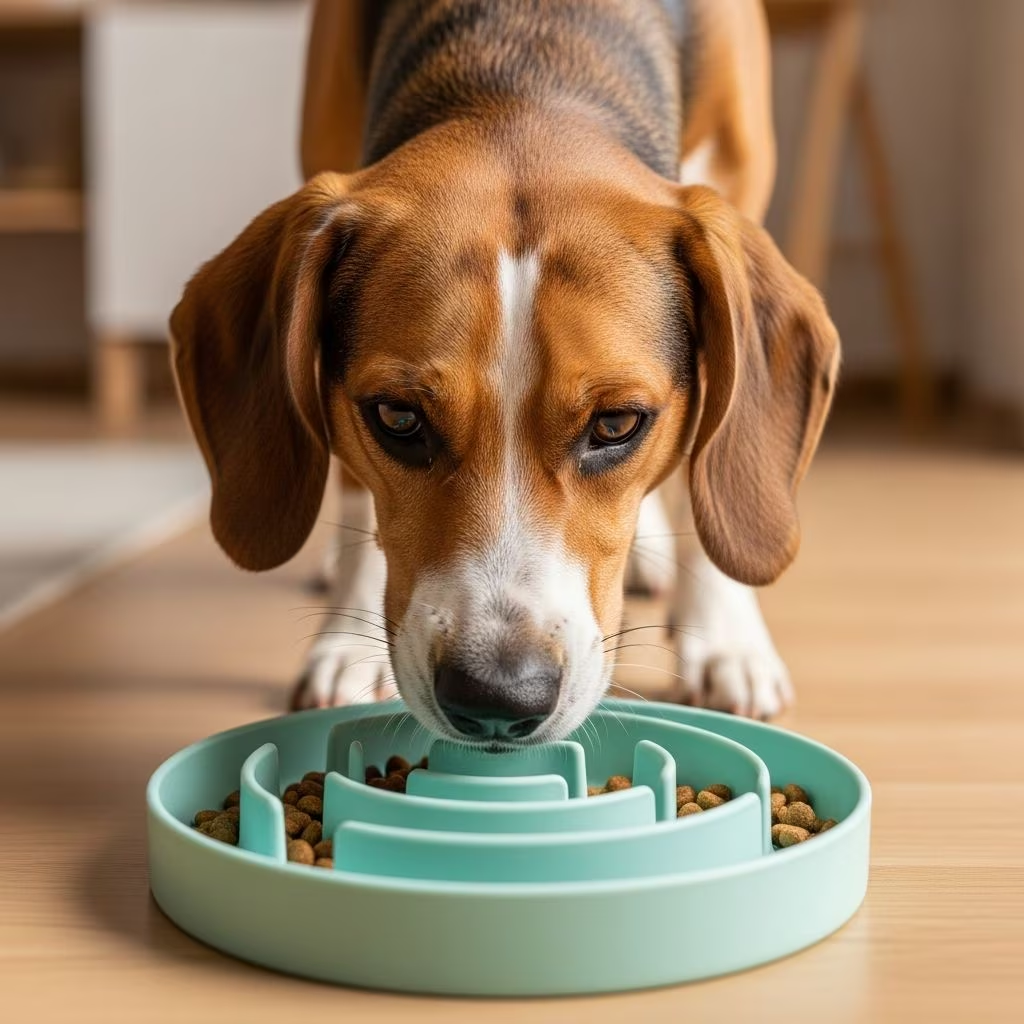
Many dogs inhale their food in seconds, barely chewing before racing to the bottom of the bowl. While this might seem like an amusing quirk, fast eating can lead to serious digestive problems and increase the risk of life-threatening conditions like bloat in some dogs.
This guide explains why dogs eat too fast, the health risks of rapid eating, and practical, vet-backed strategies to help your dog slow down and enjoy safer, calmer mealtimes.
Why Some Dogs Eat So Fast
Before you can effectively slow your dog down, it helps to understand what might be driving the behavior. Dogs can gulp their food for multiple reasons, and several may apply at once.
Common Reasons Dogs Gulp Their Food
- Competition with other pets – Dogs that live with other animals may rush to eat for fear someone else will steal their meal, especially if they have a history of food competition.
- Past food scarcity – Dogs rescued from neglect, overcrowded shelters, or environments where food was inconsistent may develop a habit of eating quickly whenever food appears.
- High appetite or very palatable food – Some dogs simply love their food and are highly motivated eaters, particularly when on energy-dense diets or when highly tasty toppers are added.
- Anxiety or stress at mealtime – Noise, chaos, or tension around the feeding area can cause a dog to gobble quickly just to get the experience over with.
- Irregular feeding schedule – Long gaps between meals can leave dogs extremely hungry, which often leads to gulping as soon as the bowl is placed down.
- Medical causes of increased appetite – Conditions like diabetes mellitus, Cushing’s disease, or some intestinal disorders can cause excessive hunger; any sudden change in appetite should be discussed with a veterinarian.
Is It Normal for Puppies to Eat Fast?
Puppies commonly eat quickly because they are:
- Growing and naturally hungrier than adult dogs
- Used to competing with littermates at the food bowl
- Still learning that food arrives regularly and reliably
While some fast eating in puppies is expected, it is still important to encourage calmer mealtimes early to prevent dangerous habits from becoming ingrained.
Health Risks of Eating Too Fast
Rapid eating is more than a minor annoyance. It can directly impact your dog’s comfort and health.
Immediate Issues Caused by Gulping Food
- Choking risk – Large, unchewed kibble or chunks of food can become lodged in the throat, especially in dogs that barely pause to breathe.
- Vomiting or regurgitation – Swallowing food and air together can cause a dog to bring food back up shortly after eating.
- Excessive gas and discomfort – Ingesting a lot of air (aerophagia) with food can lead to flatulence, burping, and abdominal discomfort.
- Indigestion and loose stools – Poorly chewed food is harder to digest and may irritate a sensitive gastrointestinal tract.
The Serious Risk: Bloat (Gastric Dilatation-Volvulus)
One of the most concerning consequences of fast eating is its association with gastric dilatation-volvulus (GDV), commonly known as bloat. In this condition, the stomach fills with gas and food, then may twist on itself, cutting off blood supply.
| Aspect | Details |
|---|---|
| What happens | The stomach rapidly fills with gas and sometimes rotates, trapping contents and compressing nearby organs. |
| Who is at risk | More common in large, deep-chested breeds such as Great Danes, German Shepherds, and Standard Poodles, but can occur in any dog. |
| Why fast eating matters | Gulping food and air is one of several factors that can increase bloat risk, along with body size, genetics, and feeding practices. |
| How serious it is | GDV is a life-threatening emergency that requires immediate veterinary treatment and often surgery. |
Warning Signs: When Fast Eating Becomes an Emergency
If your dog has recently eaten and you notice any of these signs, seek emergency veterinary care immediately:
- Swollen, tight, or distended abdomen
- Unproductive retching or attempts to vomit without bringing anything up
- Restlessness, pacing, or clear signs of distress
- Excessive drooling or panting
- Weakness, collapse, or pale gums
These signs can indicate bloat or another urgent condition and should never be ignored.
How to Tell If Your Dog Is Eating Too Fast
Some dogs are naturally enthusiastic about food, but there are practical ways to judge whether yours is eating at an unhealthy pace.
Behavioral Clues
- Your dog empties their bowl in under 30–60 seconds for a full meal.
- You can hear loud gulping, swallowing, or gasping for air while they eat.
- Food often scatters around the bowl because they are eating with excessive force.
- They rush to other pets’ bowls as soon as they finish, suggesting intense urgency around food.
Physical Clues After Mealtimes
- Frequent vomiting or regurgitation shortly after eating
- Noticeable gassiness, burping, or abdominal discomfort
- Loose stools that correlate with large, fast meals
If you see any combination of these signs regularly, it is wise to adjust your dog’s feeding method and talk with a veterinarian about underlying health issues.
Safe and Effective Ways to Slow Your Dog’s Eating
Fortunately, there are many practical strategies to slow fast eaters. You can mix and match these approaches based on your dog’s size, personality, and daily routine.
1. Use a Slow Feeder Bowl
Slow feeder bowls are specially designed dishes with ridges, mazes, or raised patterns that physically prevent dogs from taking big mouthfuls of food.
- They break the food into smaller, hard-to-access pockets.
- Dogs must use their tongue and mouth to work food around obstacles, naturally extending mealtime.
- They are available in plastic, stainless steel, and ceramic, with designs suitable for kibble or wet food.
For a simple DIY option, you can place a smaller bowl upside down in the middle of a larger one and pour kibble around it, creating a makeshift maze.
2. Try Puzzle Feeders and Interactive Toys
Food-dispensing puzzle toys and interactive feeders turn eating into a game that rewards your dog for problem-solving.
- How they work: Dogs nudge, roll, or paw at the toy for a few pieces of food to fall out at a time.
- Benefits:
- Slow the eating process dramatically
- Provide mental stimulation and enrichment
- Encourage natural foraging and hunting behaviors
Always supervise your dog with new puzzle toys to ensure they do not chew off or swallow any parts.
3. Spread the Food Out
Instead of offering food in a deep pile, you can spread your dog’s meal over a larger surface to make gulping impossible.
- Use a cookie sheet, baking tray, or shallow pan to distribute kibble in a single layer.
- Try a muffin tin, placing a small portion of food in each cup so your dog has to eat from multiple pockets.
- Use a flat lick mat for wet food to encourage steady licking instead of rapid chomping.
4. Practice Scatter Feeding or Foraging
Scatter feeding is a simple way to slow eating while also tapping into your dog’s natural sniffing instincts.
- Sprinkle kibble over a safe area of short grass, a yard, or a designated indoor mat or rug.
- Your dog must search for and eat each piece individually, which significantly extends mealtime.
- This approach can reduce boredom and provide low-impact mental exercise.
5. Feed Smaller, More Frequent Meals
Large, infrequent meals can leave dogs overly hungry and more prone to gulping.
- Split the daily ration into three or more smaller meals spread throughout the day.
- This strategy can help maintain more stable blood sugar and may be gentler on digestion.
- For dogs at risk of bloat, veterinarians often recommend smaller, more frequent meals instead of a single large feeding.
6. Add Water or Moisture to Meals
Adding water or broth to your dog’s kibble can change the texture and slow down how quickly they can consume their food.
- Pour enough warm water to slightly float the kibble and let it soak for a few minutes.
- Softened kibble is more difficult to gulp in large, dry mouthfuls.
- Extra moisture can support hydration, especially in dogs that do not drink much.
Always discard leftovers after a reasonable time, as moistened kibble can spoil faster at room temperature.
7. Hand-Feed When Appropriate
For dogs with severe gulping habits or anxiety around food, hand-feeding can be a valuable tool.
- Offer small portions of kibble or food directly from your hand, one or a few pieces at a time.
- Use part of their normal meal during training sessions as rewards for calm behavior and basic cues.
- Hand-feeding can build trust and reduce food-related guarding or tension in some dogs.
This method can be time-consuming, so many owners combine partial hand-feeding with slow feeders or puzzle toys.
8. Create a Calm, Safe Mealtime Environment
Stress and competition can be powerful drivers of fast eating.
- Feed dogs in separate rooms or crates if there is tension around food.
- Choose a quiet area away from household traffic, loud noises, or children running through.
- Avoid hovering or repeatedly reaching into the bowl, which can increase anxiety in some dogs.
If your dog has a history of food guarding or aggression, seek help from a qualified behavior professional.
9. Talk to Your Veterinarian
If your dog’s fast eating is new, severe, or accompanied by weight loss, vomiting, diarrhea, or a big increase in thirst or urination, a veterinary exam is essential.
- Rule out medical causes of extreme hunger, such as endocrine disease or malabsorption disorders.
- Discuss whether your dog’s breed and health history put them at higher risk of bloat and what preventive steps (including surgery in some cases) may be appropriate.
- Ask for individualized dietary and feeding recommendations based on age, size, and activity level.
Choosing the Right Strategy for Your Dog
Different approaches may work better depending on your dog’s size, personality, and routine. You can experiment and combine solutions.
| Dog Type | Recommended Methods |
|---|---|
| Large, deep-chested breeds | Slow feeder bowls, smaller frequent meals, calm environment, veterinary guidance on bloat risk. |
| Highly energetic or easily bored dogs | Puzzle feeders, scatter feeding, interactive toys for mental enrichment. |
| Former strays or rescue dogs | Separate, quiet feeding space, predictable schedule, gradual introduction of slow feeders. |
| Senior dogs or those with dental issues | Moistened kibble, softer diets, gently sloped slow bowls; monitor comfort while eating. |
Frequently Asked Questions (FAQs)
Q: Is it dangerous if my dog finishes meals in under a minute?
A: Many healthy dogs eat quickly, but consistently finishing a full meal in under a minute raises the risk of choking, vomiting, gas, and—especially in large, deep-chested breeds—bloat. Using slow feeders, spreading out food, or puzzle toys is recommended to reduce these risks.
Q: Can slowing my dog’s eating really help prevent bloat?
A: Bloat is a complex condition with multiple risk factors, but research and expert guidelines recognize fast eating and large meals as modifiable risks. Slowing your dog’s eating and feeding smaller, more frequent meals are commonly recommended preventive measures, especially for at-risk breeds.
Q: Are slow feeder bowls safe for all dogs?
A: For most dogs, slow feeder bowls are safe and beneficial. However, flat-faced (brachycephalic) breeds or dogs with neck or mobility issues may need shallower designs or alternative methods like cookie sheets or scatter feeding to avoid frustration or discomfort.
Q: How quickly should I expect results after changing my dog’s feeding method?
A: Mechanical changes like slow feeders or muffin tins usually slow eating immediately. Behavioral factors, such as anxiety or resource guarding, may take several weeks of consistent routine, calm environments, and, if needed, professional behavior support to fully improve.
Q: When should I see a vet about my dog’s fast eating?
A: Schedule a veterinary visit if fast eating is a new behavior, if your dog is losing weight, vomiting frequently, has diarrhea, seems constantly hungry, or shows signs of abdominal pain or bloating. A vet can assess for underlying disease and advise on safe feeding strategies tailored to your dog.
References
- How to Help Your Dog Eat More Slowly — American Kennel Club. 2020-07-31. https://www.akc.org/expert-advice/nutrition/slow-your-dogs-eating/
- 3 Ways to Help Your Dog Slow Down When Eating — Embark Veterinary. 2022-03-10. https://embarkvet.com/resources/how-to-slow-down-dog-eating/
- Is Your Dog Eating Too Fast? Symptoms, Causes & Solutions — The Puzzle Feeder. 2023-05-02. https://thepuzzlefeeder.com/blogs/news/is-your-dog-eating-too-fast-symptoms-causes-solutions
- How to Stop Your Pet Eating Too Fast: Simple Ways to Slow Mealtimes — Petdirect. 2022-08-17. https://petdirect.co.nz/blog/how-to-stop-pets-eating-too-fast
- Is Your Dog Eating Too Fast? Here’s How to Stop Gulping! — Jiminy’s. 2021-11-05. https://jiminys.com/blogs/nutrition/is-your-dog-eating-too-fast-here-s-how-to-stop-gulping
- How to Stop Your Dog From Eating its Food Too Fast — Lovet. 2023-04-14. https://www.lovet.com/blog/slow-down-dog-eating/



