Stop Dog Digging: 4 Proven Strategies For A Pristine Yard
Discover effective strategies to curb your dog's digging habit and reclaim your yard with expert-backed tips on training, exercise, and redirection.
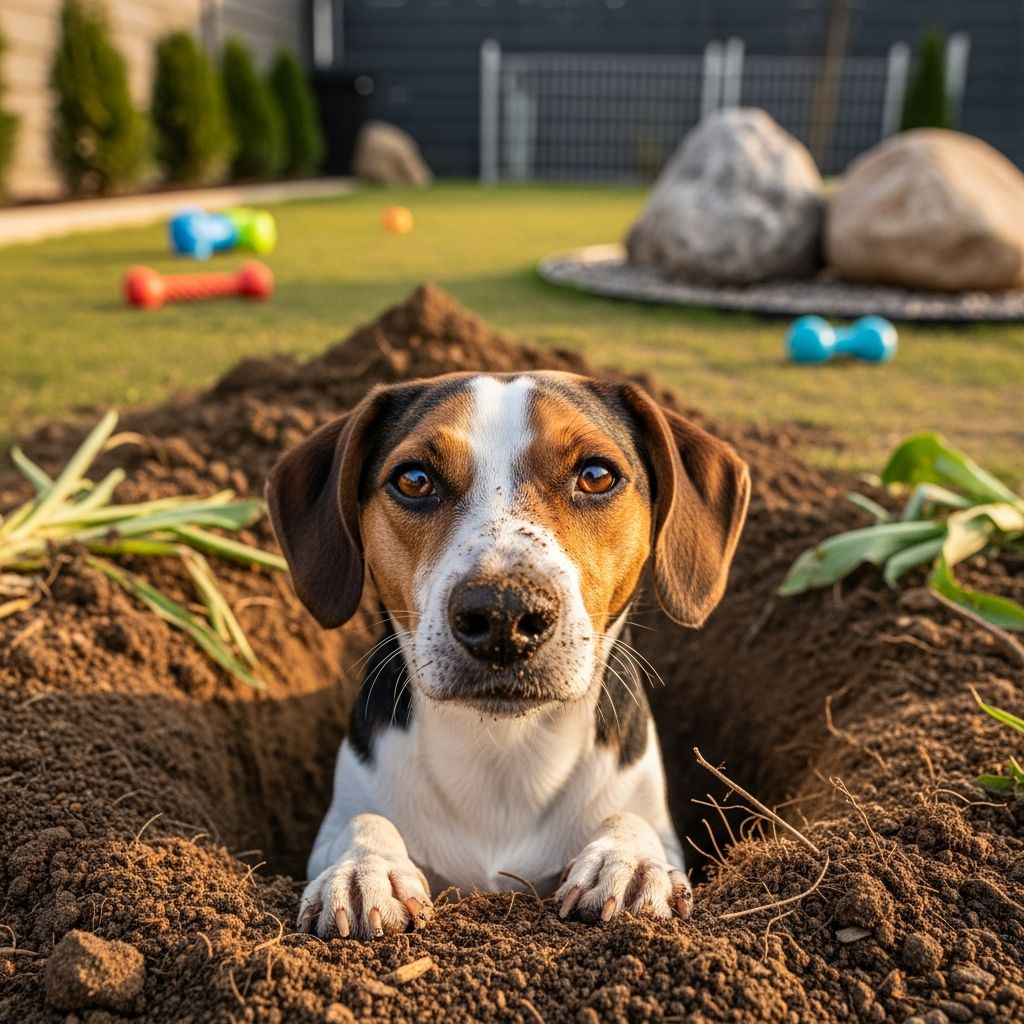
Stop Dog Digging: Proven Solutions
Dogs dig for various reasons rooted in instinct, comfort, or unmet needs, but with targeted strategies like increased exercise and designated digging zones, owners can effectively manage this behavior and maintain a pristine yard.
Understanding the Instinct Behind Digging
Digging is a natural canine activity influenced by breed genetics, environmental factors, and basic needs. Certain breeds, including terriers and northern types like huskies, are predisposed to this due to historical roles in hunting prey or creating cool resting spots. High-energy dogs often dig to release pent-up energy or combat boredom when left alone without stimulation.
Environmental triggers play a key role too. On hot days, dogs may excavate soil to reach cooler layers beneath the surface, lying in the resulting crater for relief. Females in heat or preparing to whelp might dig nesting sites as part of reproductive instincts. Additionally, the pursuit of underground prey such as rodents motivates persistent digging, which persists until the attractant is removed.
Recognizing these motivations is crucial before applying solutions. Simply blocking access without addressing the root cause can lead to redirected behaviors like excessive barking or chewing. Observe patterns: Does digging occur in specific spots, times, or weather? This diagnosis guides tailored interventions.
Boosting Exercise to Curb Excess Energy
A tired dog rarely digs destructively. Regular physical activity burns energy that might otherwise fuel yard excavation. Aim for breed-appropriate routines: high-drive breeds need 60-90 minutes daily of walks, runs, or fetch, while calmer ones suffice with shorter sessions.
- Daily walks: Combine with mental challenges like scent games to tire the mind and body.
- Dog parks or daycare: Ideal for socialization and play, reducing solo boredom digging.
- Sports training: Activities like agility, nosework, or obedience classes provide outlets for digging-prone breeds.
Before yard time, engage in vigorous play to ensure the dog is fatigued, minimizing mischief. Track improvements over two weeks; consistent exercise often resolves 70% of cases linked to restlessness.
Designing a Designated Digging Zone
Channel natural urges into a controlled area to preserve the rest of your landscape. A dig pit satisfies instinctive needs without widespread damage.
Building Your Dig Pit:
- Select a 4×4 foot site in a low-traffic yard corner.
- Dig down 18-24 inches and line with landscape fabric to contain soil.
- Fill with loose sand or topsoil mix, avoiding clay-heavy dirt.
- Bury toys, treats, or bones at varying depths to entice use.
Encourage adoption by leading the dog there post-meal or during play, praising excavations in the pit. Gradually phase out rewards while maintaining appeal through occasional surprises. Breeds with strong digging heritage adapt quickest. If prey scents linger elsewhere, pest control ensures focus shifts.
Supervision and Immediate Redirection Techniques
Constant oversight prevents habits from forming. Accompany yard outings, intervening at the first paw lift with a firm “no” followed by redirection to toys or commands.
| Method | How It Works | Best For |
|---|---|---|
| Verbal Interrupt + Toy Toss | Startles and diverts attention instantly | Playful or bored diggers |
| Leash Walk-Around | Keeps dog mobile, preventing settling in | Escape or nesting attempts |
| Water Spray or Shaker Can | Remote correction for unsupervised moments | Persistent repeat offenders |
For absences, confine to indoors or a dig-pit-only enclosure. Long-term, train “leave it” or “dig here” cues with treats for compliance. Consistency across family members reinforces learning.
Eliminating Environmental Temptations
Remove incentives to dig elsewhere. For cooling seekers, install shaded retreats with misting fans and ample water.
- Prey control: Use humane traps or natural repellents; consult pros for infestations.
- Escape prevention: Bury chicken wire along fence bases (edges up) and block gaps.
- Burying urges: Offer pit for treasures, reducing random caching.
Cover hotspots with rocks, mulch, or pavers as physical barriers, though pair with positive alternatives to avoid frustration.
Breed-Specific Considerations and Long-Term Management
Terriers hunt underground, hounds track scents, and spitz breeds cool off—tailor plans accordingly. Puppies outgrow exploratory digging with maturity and training; seniors might dig from anxiety, needing vet checks for pain.
Combine methods: Exercise + pit + supervision yields fastest results. Monitor progress weekly, adjusting as needed. Professional trainers help stubborn cases, especially multi-dog homes.
Frequently Asked Questions
Why does my dog dig under the fence?
Often escape attempts due to fear, prey, or mating drives. Secure fencing and increase interaction.
Will punishing my dog stop digging?
No—punishment without understanding causes worsens issues. Focus on prevention and rewards.
How long until digging stops?
1-4 weeks with consistent application; varies by cause and dog.
Is a dig box suitable for apartments?
Yes, use a kiddie pool with sand indoors or balcony.
What if digging persists despite efforts?
Consult a vet or behaviorist for underlying medical or anxiety issues.
Quick Comparison of Top Strategies
| Strategy | Pros | Cons | Effectiveness |
|---|---|---|---|
| Increased Exercise | Improves health, easy to implement | Time-intensive | High (boredom cases) |
| Dig Pit | Meets instincts, fun for dog | Setup effort | Very High (breed-driven) |
| Supervision/Deterrents | Immediate results | Not for absences | Medium-High |
| Remove Attractions | Addresses root cause | May need pros | High (prey/escape) |
References
- Dogs and Destructive Digging — VCA Animal Hospitals. 2023. https://vcahospitals.com/know-your-pet/dogs-and-destructive-digging
- Managing Digging Behavior in Dogs — Operation Kindness. 2024. https://www.operationkindness.org/managing-digging-behavior-in-dogs/
- How to Manage Unwanted Digging — Peggy Adams Animal Rescue. 2025-02. https://peggyadams.org/wp-content/uploads/2025/02/Dog-Info-Digging-2025.pdf
- Dog Digging Up Your Grass? Here’s How to Put an End to It — Bethel Farms. 2024. https://bethelfarms.com/blogs/bethel-blog/dog-digging-up-your-grass-heres-how-to-put-an-end-to-it
- Tips to Deter Dog From Digging — East Springfield Veterinary Hospital. 2023. https://eastspringfieldveterinaryhospital.com/healthy-pet-tips/deter-dog-from-digging/
- Understanding the Dog Who Digs — Arizona Humane Society. 2022. https://www.azhumane.org/wp-content/uploads/Understanding-the-Dog-Who-Digs-1.pdf
Similar Articles








Read full bio of Sneha Tete