

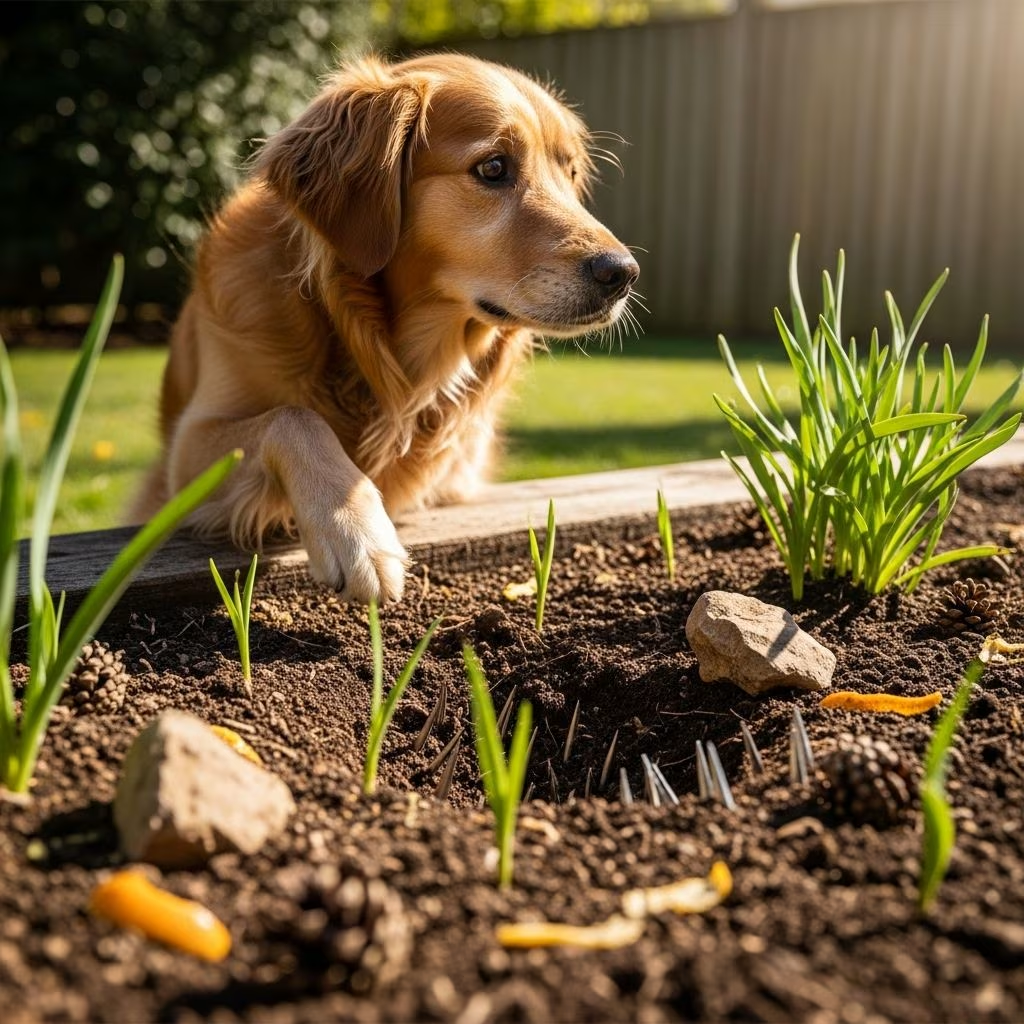
Dogs dig for instinctual reasons, but it can ruin yards. This guide covers causes, safe repellents, and training to redirect behavior effectively.
Understanding Why Dogs Dig in Yards
Digging is a natural canine instinct rooted in survival and play. Many breeds like terriers were bred for hunting prey underground, making this behavior hardwired.Common triggers include boredom, hunting, cooling off, escape attempts, and nesting. Identifying the root cause is key to choosing the right solution.
- Boredom and Excess Energy: Understimulated dogs dig to release pent-up energy, especially if lacking exercise or mental challenges.
- Hunting Instinct: Dogs detect rodents or insects underground, leading to excited digging along tracks or holes.
- Comfort Seeking: In hot weather, dogs dig to reach cooler soil; anxious or pregnant females may nest.
- Escape Motivation: Digging under fences often signals desire to reach mates, explore, or flee discomfort.
Observe patterns: Digging in one spot suggests prey; random holes point to boredom. Addressing the ‘why’ prevents redirection to new areas.
Natural and Safe Digging Deterrents
Repellents make yards unappealing without harming dogs. Use pet-safe options to discourage digging humanely.
| Method | How It Works | Application Tips |
|---|---|---|
| Citrus Peels or Oils | Dogs dislike strong citrus scents | Scatter peels or dilute oil sprays around plants; reapply after rain |
| Cayenne Pepper Mix | Spicy irritation on paws/nose | Mix with water/soap; avoid eyes; test small area first |
| Commercial Sprays | Bitter tastes/scents | Choose vet-approved; apply to soil edges |
| Motion Sprinklers | Sudden water bursts startle | Install near problem zones; battery-powered for ease |
Combine with barriers like chicken wire under soil or rocks to physically block access. These deter without punishment, which can worsen anxiety-driven digging.
Building a Designated Digging Zone
Instead of suppression, channel instincts positively. A dig pit satisfies natural urges in a controlled spot.
- Select a yard corner away from gardens.
- Dig a 3×3 foot pit, 2 feet deep; fill with loose sand/soil.
- Border with wood or rocks for definition.
- Bury toys, treats, or bones irregularly to encourage use.
- Praise heavily when dog digs there; redirect from elsewhere.
Start supervised: Interrupt off-pit digging with a firm ‘no’ and lead to the zone with treats. Rotate buried items for novelty. This works best for breed-specific diggers.
Boosting Exercise and Mental Enrichment
Boredom fuels 70% of digging cases. Counter with routines meeting physical and cognitive needs.
- Daily Walks/Play: 30-60 minutes of fetch, tug, or runs tires muscles.
- Brain Games: Puzzle toys, scent work, or ‘find it’ with hidden treats.
- Training Sessions: Teach tricks like ‘dig here’ or obedience for focus.
- Enrichment Toys: Kongs stuffed with peanut butter, rotated weekly.
Schedule outdoor time post-exercise when dogs are content, reducing unsupervised digging. Daycare or playdates add social outlets.
Addressing Specific Digging Triggers
Prey Hunting Solutions
For rodent chasers, eliminate attractants safely. Use grub controls or castor oil mixes in tunnels; hire pet-safe exterminators. Vibrating stakes disrupt prey.
Escape Prevention
Reinforce fences with buried wire or concrete lips. Motion deterrents near bases block under-digging. Increase yard play to reduce wanderlust.
Comfort and Anxiety Fixes
Provide shaded, insulated doghouses with water. For females in heat, extra supervision. Neutering curtails mating digs.
Training Techniques for Lasting Change
Consistency is crucial. Use positive reinforcement over punishment, which heightens stress.
- Supervise outdoors; tether if needed.
- Interrupt with noise/distraction, redirect to pit/toy.
- Reward calm or approved behaviors lavishly.
- Practice obedience daily for better control.
Track progress in a journal. If persistent, consult vets to rule out medical issues like allergies causing itch-digging.
Common Mistakes to Avoid
Pet owners often err, prolonging problems:
- Punishing after the fact—dogs forget context, gaining attention.
- Inadequate supervision—allows habit reinforcement.
- Ignoring breed traits—terriers need more outlets.
- Using toxic chemicals—harms pets/wildlife.
FAQ: Dog Digging Solutions
Q: How long until my dog stops digging?
A: 2-4 weeks with consistent training; varies by cause and breed.
Q: Are vinegar or chili safe repellents?
A: Diluted yes, but test tolerance; avoid direct contact.
Q: What if digging continues?
A: Check for pests/anxiety; seek professional trainer.
Q: Can puppies be trained out of digging?
A: Yes, early with pits and exercise prevents entrenchment.
Q: Best for apartment dogs?
A: Indoor sand trays or destructible toys mimic digging.
Long-Term Yard Protection
Combine methods: Repellents + pits + routines yield 90% success. Mulch gardens, plant dog-resistant flora. Maintain for sustained results.
References
- Why Do Dogs Like To Dig? — Zoetis Petcare. 2023. https://www.zoetispetcare.com/blog/article/why-dogs-like-digging
- Dogs and Destructive Digging — VCA Animal Hospitals. 2024. https://vcahospitals.com/know-your-pet/dogs-and-destructive-digging
- Digging in Dogs — UC Davis Veterinary Medicine. 2023. https://healthtopics.vetmed.ucdavis.edu/health-topics/canine/why-does-my-dog-dig
- How to Solve the Digging Problem — Placer SPCA. 2014-09. https://placerspca.org/wp-content/uploads/2014/09/Dog-Digging.pdf
- How To Stop a Dog From Digging — PetMD. 2024. https://www.petmd.com/dog/behavior/how-to-stop-dog-digging



