

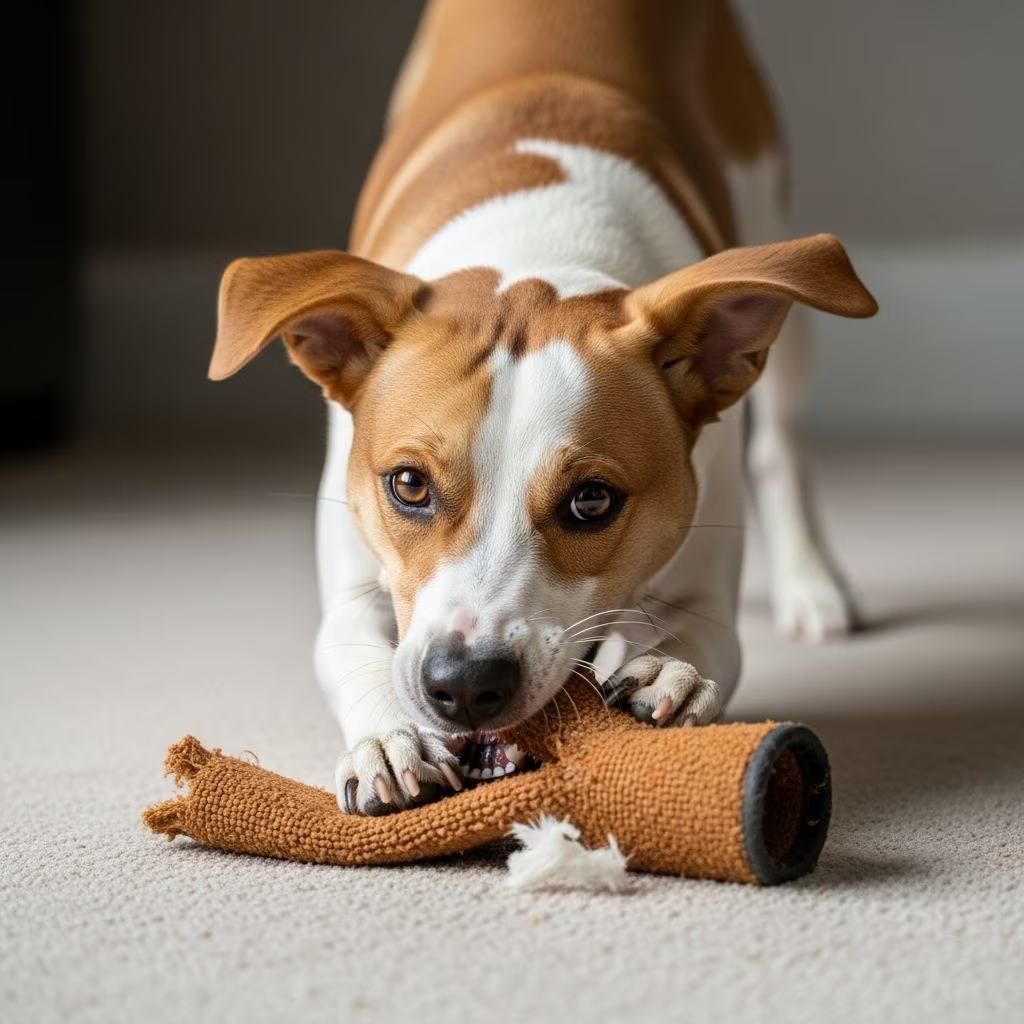
Dogs chew for natural reasons like exploration, relief, or stress, but unchecked habits can damage furniture, shoes, and even pose health risks. This comprehensive guide explores the root causes of chewing in puppies and adult dogs, offering actionable strategies grounded in veterinary insights to redirect energy positively and restore household peace.
Understanding Why Dogs Develop Chewing Habits
Chewing is an innate canine behavior, but when it turns destructive, identifying triggers is the first step to resolution. Puppies and adults chew for distinct yet overlapping reasons, often tied to development, environment, or unmet needs.
Puppy Teething: A Temporary but Intense Phase
Young dogs between 3 weeks and 6 months experience teething, where new teeth push through gums, causing discomfort that prompts constant gnawing. This mirrors human infants and typically resolves as adult teeth emerge.
- Puppies explore their world orally, using mouths to investigate textures and objects.
- Without guidance, they target household items, leading to costly destruction.
Adult Dog Motivations: Beyond Teething
Mature dogs chew due to lifestyle factors rather than dental growth. Common drivers include:
| Cause | Description | Examples |
|---|---|---|
| Boredom | Lack of mental or physical outlets leads to self-entertainment via chewing. | Long solo hours without toys or walks. |
| Anxiety | Stress from separation or changes manifests as comfort-seeking destruction. | Door frames or owner belongings during absences. |
| Instinct | Ancestral hunting urges prompt gnawing on available items. | High-energy breeds like Border Collies. |
| Hunger | Calorie limits drive foraging on food-scented objects. | Plastic bowls or trash. |
Attention-seeking also plays a role; even scolding reinforces the behavior by providing interaction.
Health-Related Chewing Triggers to Rule Out
Not all chewing stems from behavior—medical issues can intensify it. Parasites like fleas irritate skin, prompting obsessive licking or biting, especially at tails. Allergies to food or environment cause itchiness, while infections or dry skin exacerbate discomfort. Pain from injuries or anal gland problems may lead to targeted chewing. Nutritional gaps in restricted diets mimic hunger signals.
Consult a veterinarian to exclude these; persistent or localized chewing warrants a check-up for underlying conditions.
Essential Prevention Tactics for a Chew-Free Home
Proactive measures create boundaries and alternatives, minimizing opportunities for mischief.
Secure Your Environment
Removal is simplest: store valuables out of reach and use baby gates to limit access. Crate training offers a safe haven during unsupervised times, sized to allow standing and turning comfortably. Puppy pens or dog-proofed rooms work for larger spaces.
Supervise Diligently
Constant monitoring prevents rehearsal of bad habits. Tether your dog to you with a leash for close oversight, intervening early.
Redirecting Energy: Toys and Enrichment Strategies
Provide irresistible alternatives to satisfy chewing instincts safely.
- Durable Chew Toys: Opt for rubber Kongs stuffed with peanut butter, cheese, or treats. Flavored dental chews promote gum health while fulfilling needs.
- Variety Matters: Rotate options to maintain interest—textured, squeezable, or puzzle toys engage minds.
- Frozen Relief: For teething pups, chill wet rags or toys to soothe gums.
Avoid soft items that disintegrate quickly, as they encourage swallowing hazards.
Exercise: The Foundation of Calm Behavior
Physical fatigue curbs urges dramatically. Tailor routines to breed and age:
- High-energy types (German Shepherds, Border Collies) need 2+ hours daily of walks, fetch, or agility.
- Small breeds (Pugs, Shih Tzus) thrive on 40 minutes.
- Pre-departure sessions tire dogs before alone time.
Mental games like scent work or training sessions amplify effects, combating boredom.
Training Techniques: Teach What to Chew
Positive reinforcement builds lasting habits. Never punish— it heightens anxiety.
- Interrupt Gently: Say “leave it” calmly, offer a toy, and praise engagement.
- Reward Success: Treats and affection for choosing approved items reinforce choices.
- Consistency Key: All household members must follow protocols.
For attention-driven chewing, ignore fully until calm, then reward quiet.
Addressing Anxiety and Stress
Social dogs suffer alone, turning to chewing for solace. Solutions include:
- Gradual desensitization: Short absences with rewards building tolerance.
- Calming aids: Vet-recommended chews or pheromone diffusers.
- Professional input: Behaviorists for severe cases.
Nutrition’s Role in Curbing Chews
Balanced diets prevent hunger-motivated gnawing. Avoid over-restriction; enrich meals with puzzle feeders to extend satisfaction. Dental treats double as chew outlets.
When to Call in Professionals
If strategies fail after 2-4 weeks, or chewing worsens/escalates to self-harm, seek vet or certified behaviorist help. They diagnose medical roots or design tailored plans.
Frequently Asked Questions (FAQs)
Is chewing always a sign of a problem?
No, it’s normal but needs redirection to prevent destruction.
How long does puppy teething last?
Typically 3 weeks to 6 months.
What if my adult dog suddenly starts chewing?
Check for stress, health issues, or routine changes first.
Are bitter sprays effective?
They deter temporarily but address causes for permanence.
Can exercise alone stop chewing?
Often yes for boredom cases, combined with toys for best results.
References
- Dog tail chewing: causes and solutions for this troublesome behavior — Pet Townsend Veterinary Clinic. 2024. https://pettownsendvet.com/blog/dog-tail-chewing/
- Everything About Dog Chewing Problems — Woburn Animal Hospital. 2023-11-15. https://www.woburnanimalhospital.com/site/blog/2023/11/15/dog-chewing-problems-why-they-chew–how-to-stop-them
- Destructive Chewing by Dogs and Puppies — Seaport Animal Hospital. N/A. https://www.seaportanimalhospital.com/blog/destructive-chewing-by-dogs-and-puppies
- Dog Chewing Problems: Why They Chew & How to Stop Them — Shatto Vet. 2024-05-21. https://www.shattovet.com/site/blog/2024/05/21/dog-chewing-problems
- Dogs and Destructive Chewing — VCA Animal Hospitals. N/A. https://vcahospitals.com/know-your-pet/dogs-and-destructive-chewing
- Problem Behaviors – Dog Chewing — Matthews Carolina Vet. 2021-03-15. https://www.matthews.carolinavet.com/site/pet-health-blog/2021/03/15/how-to-stop-dog-from-chewing



